

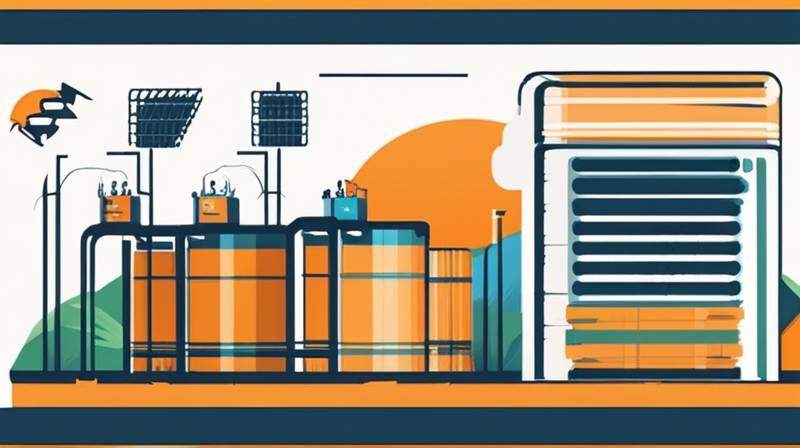
How energy storage can support Africa’s clean energy future
1. Energy storage is crucial for Africa’s transition to a sustainable energy landscape, 2. It enhances grid reliability and stability, 3. Storage systems optimize renewable energy usage, 4. Energy storage facilitates rural electrification and energy access. The advent of innovative energy storage solutions creates opportunities for Africa to leverage its abundant renewable resources, such as solar and wind energy. By addressing the intermittency of these resources, energy storage systems enable a consistent and reliable power supply, which is vital for economic growth and infrastructure development. Energy storage technologies can empower both urban and rural communities, bringing clean energy closer to those who need it most.
1. IMPORTANCE OF ENERGY STORAGE IN AFRICA
The African continent is rich in renewable resources, particularly solar and wind energy. However, the reliance on these resources poses challenges due to their intermittent nature. This is where energy storage systems become essential. By storing excess energy generated during peak production times, these systems ensure that electricity remains available during periods of low generation. This capability significantly contributes to grid stability, reducing the frequency and duration of blackouts, which are common in many African nations.
Moreover, energy storage enables better management of supply and demand dynamics. It allows utility companies and grid operators to balance fluctuations, ensuring that electricity supply meets the needs of consumers at all times. This management is particularly critical in regions where energy production is inconsistent and heavily dependent on weather conditions. As such, energy storage is not merely an ancillary solution; it is a fundamental component of a robust clean energy strategy for Africa’s future.
2. TECHNOLOGICAL INNOVATIONS IN ENERGY STORAGE
Advancements in energy storage technologies, such as lithium-ion batteries, flow batteries, and pumped hydro storage, have positioned these systems at the forefront of the clean energy revolution. Lithium-ion batteries, noted for their high energy density and efficiency, are prevalent in various applications, from small-scale residential systems to large utility-scale installations. Their dominance is fueled by falling costs and improvements in technology, making them a viable option for many regions across Africa.
Flow batteries, on the other hand, offer unique advantages in terms of scalability and longevity. These systems can provide energy storage for extended periods, making them suitable for stabilizing grid operations and supporting large-scale renewable projects. Pumped hydro storage is another traditional technology that remains relevant today. Though it requires significant infrastructure investment, its ability to store vast amounts of energy by leveraging elevation differences is unparalleled, particularly in countries with suitable geographical features.
3. ECONOMIC IMPACT OF ENERGY STORAGE
Implementing energy storage solutions in Africa has profound economic implications. As clean energy systems become more prevalent, job creation in manufacturing, installation, and maintenance of energy storage technologies will occur. This burgeoning sector can provide employment opportunities for many local communities, contributing to wider economic development.
Furthermore, reducing reliance on fossil fuels through enhanced energy storage capabilities fosters energy independence. This shift can mitigate the impact of global fuel price fluctuations, stabilizing local economies. With energy costs consistently diminishing due to technological advancements and increased market competition, businesses and households will benefit from lower energy expenditures. This savings can lead to increased investments in other sectors, ultimately stimulating economic growth.
4. RURAL ELECTRIFICATION AND ENERGY ACCESS
One of the most significant challenges facing Africa today is energy access, particularly in remote and underserved rural areas. Energy storage solutions offer a pathway to overcoming these obstacles by integrating renewable energy sources. Microgrid systems powered by solar panels and supplemented by energy storage can provide communities with a reliable power supply, even in areas disconnected from traditional grid infrastructure.
Moreover, energy storage systems can serve as a buffer during the transition from reliance on fossil fuels. By supporting distributed energy resources, these technologies make it easier to develop localized energy solutions suited to specific community needs. Such flexibility ensures that even the most remote areas can harness the benefits of cleaner energy, fostering socio-economic development, enhancing education, and improving quality of life.
5. POLICY AND REGULATORY FRAMEWORKS
The successful deployment of energy storage solutions in Africa requires robust policy and regulatory frameworks. Governments must establish clear guidelines that support investments in renewable technologies and energy storage systems. Incentives, such as tax breaks or subsidies, should be implemented to encourage private sector participation. These policies should also encompass tariffs and pricing structures that reflect the true value of energy storage, promoting its adoption among utilities and end-users alike.
Furthermore, creating an enabling environment for research and development will drive innovation within the sector. Collaboration between governments, private enterprises, and academic institutions can facilitate the development of tailored solutions. By fostering a culture of innovation, Africa can lead the way in sustainable energy practices, not just within the continent but also on a global scale.
FREQUENTLY ASKED QUESTIONS
WHAT ARE THE MAIN TYPES OF ENERGY STORAGE TECHNOLOGIES AVAILABLE?
Energy storage technologies can be broadly categorized into several types, each with its unique characteristics and applications. Among the most common are lithium-ion batteries, flow batteries, and pumped hydro storage. Lithium-ion batteries are widely utilized due to their efficiency, lightweight design, and declining costs, making them suitable for both small-scale and large-scale energy applications. Flow batteries, characterized by their scalability and longevity, are ideal for long-duration applications, especially in stationary installations. Pumped hydro storage remains relevant for its ability to store significant amounts of energy over extended periods, although it requires suitable geographic conditions and substantial investment. Other emerging technologies, such as thermal energy storage and compressed air energy storage, are also gaining traction. Each type offers distinct advantages, and the selection of an appropriate technology depends on specific use cases and regional contexts.
HOW DOES ENERGY STORAGE IMPACT RENEWABLE ENERGY USE?
Energy storage plays a pivotal role in maximizing the utilization of renewable energy sources. These sources, such as solar and wind, are inherently intermittent, producing energy only when environmental conditions are favorable. By storing excess energy generated during peak production periods, energy storage systems ensure that this energy is available for use during times when production falls short. This ability is essential for maintaining a steady and reliable power supply, particularly in regions heavily reliant on renewables. Moreover, integrating storage solutions allows for grid operators to balance supply and demand, preventing overloads and minimizing blackouts. As a result, energy storage not only enhances the efficiency of renewable systems but also significantly contributes to the overall reliability and resilience of the energy grid.
WHAT ROLE DOES ENERGY STORAGE PLAY IN RURAL ELECTRIFICATION?
Energy storage serves as a cornerstone for rural electrification initiatives across Africa. Many rural areas face significant challenges in accessing reliable electricity due to the lack of infrastructure and traditional grid connectivity. Energy storage systems, especially when combined with renewable energy sources like solar, can provide these remote communities with a consistent power supply. By enabling localized microgrids, energy storage empowers these communities to harness their abundant renewable resources, ensuring electricity availability even during intermittent supply periods. Additionally, such systems facilitate the development of energy solutions tailored to local needs, promoting economic development and improving living standards. Through the implementation of energy storage technologies, rural electrification efforts can dramatically transform these communities, ushering in a new era of energy access and sustainability.
Harnessing energy storage capabilities presents a transformative opportunity for Africa’s clean energy future. The continent stands at a crucial juncture, rich in renewable resources and driven by the urgent need for sustainable solutions. Energy storage systems can significantly enhance grid reliability, enabling the effective integration of renewables into the energy mix. By addressing challenges such as intermittency and energy access, these technologies pave the way for a resilient energy landscape. Moreover, the economic benefits associated with job creation and reduced reliance on fossil fuels underscore the importance of a robust energy storage framework.
Furthermore, energy storage is instrumental in facilitating rural electrification. Many communities in remote regions can gain access to clean energy solutions through innovative microgrids, fundamentally improving their quality of life. The need for strong policy frameworks and incentives cannot be understated, as this will create an enabling environment for investments and innovation.
In light of these considerations, energy storage emerges not only as a technical necessity but also as a strategic pillar for sustainable development in Africa. As the continent continues its transition towards a cleaner, more sustainable energy future, energy storage technologies will undoubtedly play a central role. Embracing these innovations can help Africa leapfrog traditional energy systems, fostering a new paradigm of energy independence, economic empowerment, and environmental sustainability. The commitment to investing in and promoting energy storage solutions will shape the trajectory of Africa’s energy landscape for generations to come.
Original article by NenPower, If reposted, please credit the source: https://nenpower.com/blog/how-energy-storage-can-support-africas-clean-energy-future/

