

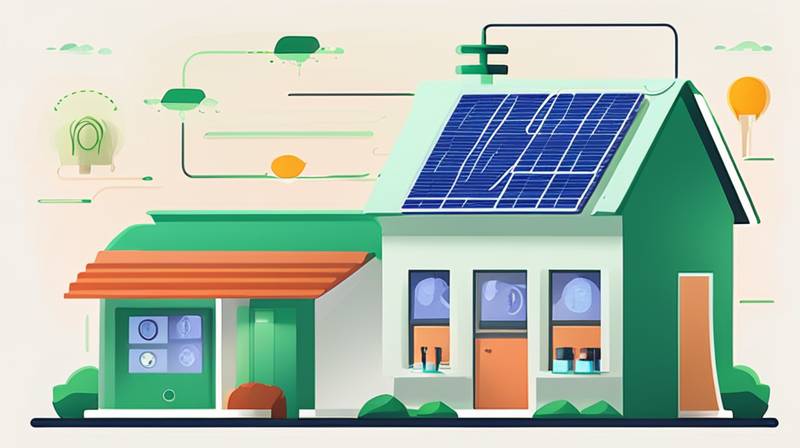
Energy storage solutions significantly enhance power quality for households in Nigeria in several ways. 1. Voltage stabilization, which provides a constant voltage level to reduce flickers and fluctuations, is crucial for sensitive electronics. 2. Load shifting enables consumers to store energy during off-peak hours and use it when demand is high, thus minimizing strain on the grid. 3. Renewable integration allows households to harness solar and wind energy for consistent power supply, reducing reliance on erratic grid availability. 4. Backup power provision guards against outages, offering peace of mind for daily activities. Among these, voltage stabilization has a profound impact as it creates a reliable power supply for various appliances, ensuring their longevity and operational efficiency.
1. UNDERSTANDING POWER QUALITY IN NIGERIA
The term “power quality” encompasses various characteristics of electric power that influence the performance of electrical devices. In Nigeria, poor power quality has been a persistent issue, resulting from infrastructural challenges, irregular supply, and the high dependence on generator sets. Voltage sags, swells, and interruptions are common occurrences that affect not just the functioning of devices but also household safety.
Addressing these issues necessitates a robust energy storage system that can deliver consistent performance and improve overall quality. By storing energy during favorable conditions, households can mitigate the adverse effects of power outages, ensuring that essential services remain uninterrupted—this becomes particularly critical in a country where the electrical grid is often unreliable.
2. THE ROLE OF ENERGY STORAGE IN ADDRESSING POWER QUALITY ISSUES
Energy storage technologies, such as batteries and capacitors, play a pivotal role in enhancing power quality for Nigerian households. By storing excess energy generated during low demand periods, these systems can supply power during high demand or when the grid falters. Lithium-ion batteries, for instance, have already been successfully deployed in many regions for this very purpose.
Moreover, energy storage systems can help regulate the power supply and eliminate voltage fluctuations. By serving as shock absorbers, these technologies ensure that the household receives a stable power flow, which is essential for the longevity of appliances. Implementing these systems thus not only resolves immediate power quality concerns but also contributes to a more sustainable energy ecosystem in Nigeria.
Enhanced Voltage Regulation
Voltage regulation is one of the foremost benefits provided by energy storage systems. Sudden spikes and drops in voltage can damage sensitive appliances, but with a storage solution in place, households can maintain a constant voltage level. The process involves monitoring voltage levels continuously and adjusting the supply from the storage system as necessary.
This capability is particularly beneficial in regions where electricity supply is erratic. When the grid supply is weak, energy storage can bolster the voltage, ensuring that devices operate optimally. This leads to a reduction in malfunction rates and maintenance costs, which can be significant over time. The positive economic impact of enhanced voltage regulation should not be underestimated as it creates a more viable environment for both households and businesses.
3. ADDRESSING THE CHALLENGES OF RENEWABLE ENERGY INTEGRATION
The integration of renewable energy sources like solar panels and wind turbines presents unique challenges concerning power quality. Variability in generation can lead to periods of excess energy followed by sudden shortages, creating instability that can affect household power quality. Therefore, incorporating energy storage solutions becomes essential for creating a balance.
For example, solar energy production is highest during midday, coinciding often with lower household energy demand. To make the most of this, households can store excess energy generated during these periods and utilize it when energy demand peaks, especially in the evenings. This demand-response strategy helps to flatten the load curve on the electricity grid and reduces the overall demand, benefiting the entire community.
Reducing Dependence on Fossil Fuels
With advancements in energy storage, there is a significant opportunity to reduce reliance on fossil fuels. Many households in Nigeria still depend heavily on diesel generators. However, by utilizing energy storage systems alongside renewable solutions, homes can transition to cleaner energy sources.
This shift not only reduces greenhouse gas emissions but also promotes energy independence. Households can significantly cut their energy costs since they will rely less on the fluctuating prices of fossil fuels. Moreover, as renewable energy technologies continue to become more affordable, the synergy with storage solutions will create an increasingly sustainable power framework, reducing the environmental footprint while enhancing overall power quality.
4. ECONOMIC IMPACT ON HOUSEHOLDS
The economic implications of improved power quality through energy storage are significant. Decreased energy costs is one of the most immediate benefits. Households can save on electricity bills by reducing their reliance on expensive grid power and diesel fuels. In addition, the improved reliability of power supply helps prevent damage to household appliances, extending their lifespan and saving money on repairs or replacements.
Furthermore, the presence of energy storage systems can enhance property values. Homes equipped with reliable power solutions tend to attract buyers who prioritize energy efficiency and sustainability. In a country grappling with energy insecurity, these systems could give households a competitive advantage in the real estate market.
Job Creation and Economic Growth
The push for energy storage solutions not only benefits individual households but also fosters broader economic growth. As the demand for energy storage technologies increases, so does the need for skilled workers in areas such as manufacturing, installation, and maintenance.
This shift can lead to job creation at various levels, contributing to local economies and fostering entrepreneurship opportunities. As more families adopt sustainable energy practices, new industries will emerge, further diversifying the economy. The potential economic gains associated with enhanced power quality through energy storage indicate that this is not merely a household concern, but a national priority for Nigeria.
FREQUENTLY ASKED QUESTIONS
HOW DO ENERGY STORAGE SYSTEMS WORK?
Energy storage systems function by absorbing excess energy during periods of low demand and releasing it when demand increases. These systems, often composed of batteries or capacitors, store energy in various forms. For instance, lithium-ion batteries store energy electrochemically, while capacitors store electrical energy physically. When the grid experiences fluctuations, energy storage systems can either supplement power or provide a necessary buffer to maintain voltage stability. This capability is essential for households in Nigeria, where power quality can be inconsistent. By effectively managing energy flow, these systems not only enhance individual household performance but also contribute to a stabilized and more resilient power network overall.
WHAT ARE THE COSTS ASSOCIATED WITH ENERGY STORAGE INSTALLATION?
The costs associated with energy storage installation can vary based on several factors, including the type of technology utilized and the scale of the system. Generally, the initial investment for a comprehensive energy storage solution may appear substantial, especially for advanced systems like lithium-ion batteries. However, it’s important to consider the long-term financial benefits these systems provide, such as reduced electricity bills, lower maintenance costs, and savings from generated renewable energy. With several financing options available, including government incentives, loans, or leasing agreements, it is increasingly feasible for households to adopt energy storage systems, with a return on investment often realized within a few years.
WHAT IMPACT DO ENERGY STORAGE SYSTEMS HAVE ON THE ENVIRONMENT?
The implementation of energy storage systems plays a significant role in minimizing environmental impact. By facilitating higher integration of renewable energy sources like solar and wind, these systems reduce dependence on fossil fuels, which are major contributors to greenhouse gas emissions. Moreover, energy storage can help reduce the strain on the electrical grid, leading to lower carbon footprints associated with electricity generation. The transition to cleaner energy not only mitigates climate change challenges but also fosters sustainable energy practices within communities. Enhanced power quality overall leads to more efficient use of resources, creating a symbiotic relationship between energy consumption and environmental stewardship.
In summary, the introduction of energy storage solutions in Nigerian households is shifting paradigms, producing numerous advantages that stretch beyond mere convenience. Improvements in power quality significantly affect daily life, allowing families to remain connected and productive, irrespective of grid stability. The technology’s role as a stabilizer paves the way for innovation in energy consumption, encouraging households to become active participants in the energy transition. These systems are not just a temporary fix, but provide long-term benefits, enhancing voltage regulation, reducing dependence on unreliable energy sources, and serving as a robust backup during outages.
Furthermore, by supporting the integration of renewables, energy storage fosters a more sustainable energy landscape, contributing to national goals of providing affordable and accessible power to all. The implications of economic growth through job creation in the energy sector only strengthen this narrative, highlighting the interconnectedness of power quality and wider societal advancements. By addressing the specific needs of Nigeria’s households, energy storage technology opens up possibilities for greater energy independence, improved resilience, and a sustainable future. Adopting these systems will ultimately lead to a more reliable power infrastructure, marking a significant leap forward for households and communities across Nigeria. As reliance on traditional power sources diminishes, the pathway is being forged towards a cleaner, greener, and more economically viable energy future for households across the nation.
Original article by NenPower, If reposted, please credit the source: https://nenpower.com/blog/how-energy-storage-can-improve-power-quality-for-nigerian-households/

