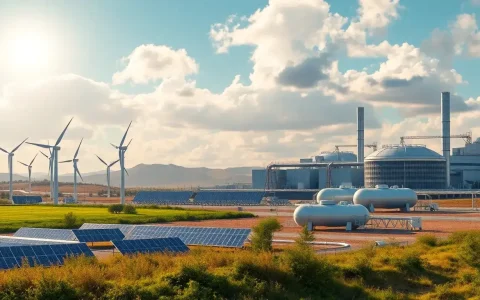
Energy storage enhances energy reliability for Nigerian businesses significantly through various mechanisms, including 1. Load management, 2. Cost reduction, 3. Enhanced resilience, 4. Integration of renewable sources. Load management involves smoothening the demand curve, which prevents strain during peak times. Cost reduction can manifest from decreased dependency on expensive diesel generators, thus allowing businesses to allocate funds toward other crucial operations. Enhanced resilience enables firms to remain operational during outages, and integrating renewable sources capitalizes on Nigeria’s abundant solar and wind resources. A detailed exploration reveals that energy storage not only stabilizes operations but also empowers businesses to adapt to fluctuating energy conditions and ultimately supports sustainable economic growth.
1. LOAD MANAGEMENT
In the context of energy reliability for Nigerian enterprises, load management emerges as a critical strategy. This concept revolves around optimizing energy consumption and facilitating a more stable energy supply. With Nigeria’s energy landscape characterized by inconsistent power delivery, businesses often encounter disruptions leading to significant operational challenges. By implementing energy storage technologies, such as batteries, businesses can store energy during lower demand periods and utilize this reserve during peak consumption times. This approach smoothens out the fluctuations in energy usage, thereby mitigating the risk of blackout or voltage sag, which can severely disrupt operations.
The significance of effective load management becomes particularly evident when examining Nigeria’s electricity grid. The grid is plagued by frequent outages, resulting in substantial financial losses for businesses. When enterprises manage their energy consumption adeptly through storage solutions, they can significantly lower the intensity of the peak energy load on the grid. Consequently, this not only enhances overall energy reliability but also promotes a more balanced grid system capable of accommodating various users more efficiently. The dual benefits of reduced operational disruptions and a more stabilized energy infrastructure position energy storage as a vital component in enhancing load management.
2. COST REDUCTION
Another pivotal aspect where energy storage plays an essential role is in cost reduction for Nigerian businesses. The reliance on alternative power sources, primarily diesel generators, has historically burdened companies with exorbitant operational costs. Nigeria’s high fuel prices, combined with the inefficiencies associated with running generators, can lead to overwhelming expenditures. Energy storage technologies provide a workable solution, enabling firms to harness cheaper energy sources during off-peak hours or from local renewable generators, such as solar panels. By accumulating energy from these less costly endpoints, businesses can drastically reduce their reliance on diesel and, subsequently, their energy expenses.
Beyond merely cutting fuel costs, energy storage systems also enable businesses to engage in demand response programs, where they can sell excess energy back to the grid or save during times of high demand. This not only provides an additional revenue stream but also encourages informed energy consumption strategies that prioritize cost efficiency. Over time, the reduction in operational expenses reallocates valuable resources that can be invested into growth initiatives or further technological advancements, bolstering the institution’s competitiveness and innovative capacity. Thus, the cost reduction benefits derived from energy storage solutions underscore its crucial role in Nigerian businesses looking to thrive in an increasingly challenging economic landscape.
3. ENHANCED RESILIENCE
The concept of enhanced resilience stands as a cornerstone for businesses striving to weather the unpredictable storms of the Nigerian energy market. Energy storage systems imbue organizations with the ability to remain functional during episodes of power outages, which are commonplace in many areas of the country. The deployment of these systems ensures that critical operations can continue unaffected, thus preserving customer satisfaction and operational continuity. This aspect is particularly crucial for businesses that rely on consistent power, such as manufacturing plants or data centers, where any disruption can result in costly downtime and reputational damage.
In addition to maintaining power supply during outages, energy storage contributes to broader organizational resilience. When businesses utilize energy storage solutions, they create flexibility within their energy sourcing portfolios. This enables firms to dynamically adjust their operations in response to both market trends and external energy fluctuations. Improved energy management translates to enhanced agility, allowing firms to pivot directions as necessary in an often volatile energy landscape. As a result, enhanced resilience via energy storage empowers Nigerian businesses to better navigate challenges while capitalizing on opportunities as they arise.
4. INTEGRATION OF RENEWABLE SOURCES
The integration of renewable energy sources presents a powerful avenue for improving energy reliability in Nigeria, and energy storage technologies are pivotal in this process. Renewable energy options, such as solar photovoltaic and wind, have the potential to diversify energy portfolios and lessen reliance on conventional fossil fuels. However, the intermittent nature of these energy sources can pose challenges related to consistent supply. Here, energy storage acts as a bridge, storing excess energy during production peaks and providing it during periods of low generation. Consequently, businesses can enjoy a more stable energy supply while actively contributing to the nation’s sustainability goals.
Moreover, the integration capabilities offered by energy storage systems enable businesses to leverage the abundant renewable resources available in Nigeria. By utilizing localized storage systems, firms can capitalize on solar energy during the day and use the stored power during the evenings or rainy periods when production is low. This approach not only ensures uninterrupted operations but also aligns with global trends toward greener business practices. Furthermore, as energy policies evolve in favor of supporting renewables, businesses that already integrate these solutions can position themselves as environmental leaders while enhancing their operational reliability. Energy storage facilitates this transition, creating a more resilient and sustainable energy framework in Nigeria.
FAQs
HOW DOES ENERGY STORAGE BENEFIT NIGERIAN BUSINESSES?
Energy storage significantly enhances operational reliability for Nigerian businesses by allowing them to manage energy loads more effectively, reduce costs associated with energy procurement, and maintain functionality during power outages. These systems enable enterprises to store excess power generated from renewable sources or off-peak times and utilize it during peak demand cycles. As such, businesses can achieve a more consistent energy supply while minimizing their dependence on costly diesel generators. This not only mitigates operational disruptions but also allows firms to allocate resources more effectively, fostering overall growth and stability in the organization. The integration of energy storage systems, therefore, proves to be a strategic advantage for Nigerian companies aiming to navigate the complex energy landscape successfully.
WHAT TYPES OF ENERGY STORAGE ARE AVAILABLE FOR BUSINESSES IN NIGERIA?
In the Nigerian context, various energy storage technologies are available to cater to differing business needs. Battery storage systems, particularly lithium-ion batteries, are popular due to their efficiency and compact design. Additionally, flow batteries and lead-acid batteries offer viable alternatives depending on specific operational requirements and budget considerations. Other energy storage methods such as pumped hydro storage may be applicable in regions with suitable topography but require larger investments and extensive infrastructure. Furthermore, thermal energy storage systems can assist businesses that utilize heating or cooling systems, storing energy produced during low-demand periods for later use. Each storage option serves unique functionalities, providing Nigerian businesses with opportunities to enhance energy reliability tailored to their operational context.
WHAT ARE THE INITIAL INVESTMENT COSTS FOR ENERGY STORAGE SYSTEMS?
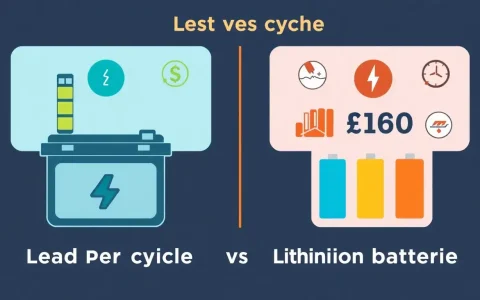
The initial investment costs for energy storage systems can vary significantly based on several factors, including the technology selected, the scale of installation, and specific business requirements. For instance, lithium-ion battery systems, while efficient, can entail higher upfront costs compared to traditional lead-acid batteries. This initial expenditure may range from thousands to millions of dollars, depending on the capacity and infrastructure needed. However, it is crucial to consider that these systems often lead to substantial long-term savings in energy costs and operational efficiencies. Furthermore, potential government incentives or financing options can alleviate some financial burdens. Ultimately, while the upfront investment may seem daunting, the overall cost benefit and enhanced energy reliability offer compelling reasons for businesses to adopt energy storage solutions in Nigeria.
Striking a Balance: Energy Storage and Business Sustainability in Nigeria
The convergence of energy storage and improved reliability holds transformative potential for Nigerian enterprises navigating the complexities of energy provision. By implementing such advanced technologies, businesses can not only ensure better load management but also incite significant cost reductions while enhancing resilience against disruptions and seamlessly integrating renewable energy sources. This multifaceted approach assists companies in adapting to a dynamic market, ultimately leading to sustainable success. The implications of energy storage initiatives extend beyond mere operational enhancements; they foster an environment conducive to economic growth and sustainability in Nigeria. With the country’s rich resources and an evolving energy landscape, energy storage solutions are instrumental in realizing a reliable, economically viable, and environmentally sustainable future. As businesses embrace these innovations, they not only improve their operational resilience but also contribute to the broader quest for energy independence and environmental responsibility across Nigeria. Thus, the journey towards enhanced energy reliability through storage technologies represents a crucial strategy that Nigerian enterprises must embrace for enduring success in a competitive global market.
Original article by NenPower, If reposted, please credit the source: https://nenpower.com/blog/how-energy-storage-can-improve-energy-reliability-for-nigerian-businesses/