

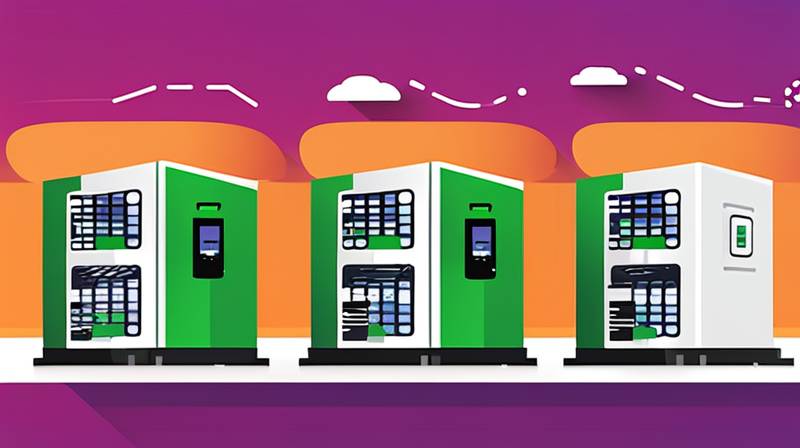
Energy storage plays a crucial role in advancing Nigeria’s smart grid development through several pathways: 1. Enhanced grid stability, by providing backup during peak demand and maintaining consistent energy supply; 2. Facilitated integration of renewable energy sources, enabling wind and solar power to contribute effectively to the grid; 3. Decreased reliance on fossil fuels, promoting a sustainable energy landscape; 4. Cost savings for consumers, by minimizing energy wastage and optimizing resource allocation. Each of these elements significantly contributes to making Nigeria’s energy infrastructure more efficient and resilient, addressing the country’s longstanding challenges with electricity supply and demand dynamics. An increased focus on energy storage solutions provides the country with a pathway not only to modernize its grid but also to secure sustainable development for future generations.
1. ENHANCED GRID STABILITY
In the context of Nigeria’s energy landscape, enhanced grid stability stands as a vital component for effective smart grid development. The nation’s electric transmission system suffers from frequent outages and supply inconsistencies, primarily due to inefficient grid management and insufficient capacity. Energy storage technologies, such as batteries and pumped storage systems, play a fundamental role in addressing these issues by providing ancillary services that bolster grid reliability.
These storage systems are designed to absorb excess electricity generated during low-demand periods and release it during high demand. This balancing act not only ensures that supply meets consumption seamlessly but also mitigates the detrimental impact of fluctuations, thereby reducing the risk of blackouts. Energy storage can act as a buffer, ensuring that fluctuations in generation and consumption do not destabilize the grid. For instance, when there are unanticipated spikes in electricity usage, the stored energy can be dispatched almost instantaneously, providing a much-needed safety net and ensuring operational continuity.
Moreover, by implementing energy storage solutions, Nigeria can significantly reduce the wear and tear on its existing infrastructure. Centralized generation plants often struggle to respond to rapid changes in demand, leading to inefficiency. With energy storage, the incremental stress on generation units decreases, resulting in extended lifespans for essential equipment and lowered maintenance costs.
2. FACILITATED INTEGRATION OF RENEWABLE ENERGY SOURCES
Facilitating the integration of renewable energy sources is paramount for Nigeria’s transition toward a more sustainable energy future. The juxtaposition of abundant renewable resources—specifically solar and wind, which Nigeria has in vast quantities—against a backdrop of limited energy access is a challenge that requires innovative solutions. Energy storage systems can bridge the gap, enabling the full utilization of these renewable resources in a reliable manner.
Traditional grid infrastructures often face difficulties accommodating the intermittent nature of renewable energy production. Energy storage serves as a crucial mechanism to smooth out these fluctuations. For instance, during periods of high solar generation, excess power can be captured and stored. This stored energy can then be utilized during the evening hours when demand peaks, and solar production ceases. This synchronization between energy output and demand leads to a much more stable and predictable energy supply, ultimately promoting consumer confidence in renewable technologies.
Furthermore, the integration of energy storage accelerates the adoption of decentralized energy systems, such as microgrids and community solar projects. These models align well with Nigeria’s vast rural landscapes, where traditional energy infrastructure is often lacking. By localizing energy generation and storage, communities can become self-sufficient, reducing transmission losses and ensuring access to electricity, even in remote areas. This democratization of power generation empowers local stakeholders, enhancing overall economic development.
3. DECREASED RELIANCE ON FOSSIL FUELS
A decisive pivot toward sustainable energy solutions necessitates a decreased reliance on fossil fuels—an objective that aligns with global climate change initiatives and the need for energy diversification. In Nigeria, where much of the energy mix is dependent on oil and gas, the implementation of energy storage technologies is essential in facilitating this transition.
Energy storage systems enable the gradual incorporation of renewable alternatives into the energy supply. As renewables become more prevalent, particularly with the deployment of solar panels and wind turbines, energy storage offers the means to capture and utilize clean energy efficiently. This transition helps mitigate the adverse environmental impacts associated with fossil fuel extraction and consumption, ultimately contributing to local and global sustainability goals.
Additionally, by reducing dependence on fossil fuel imports, energy storage can contribute significantly to a more self-sufficient national energy policy. This autonomy is not only beneficial on an environmental level but also serves to stabilize energy prices against global fluctuations, placing Nigeria in a more favorable economic position. The economic implications extend beyond just energy savings. A shift towards renewables will create jobs in the green technology sector, stimulating the economy and fostering innovation in local industries.
4. COST SAVINGS FOR CONSUMERS
The implementation of energy storage within Nigeria’s smart grid development presents significant cost savings for consumers. High electricity costs are a persistent barrier to economic growth and opportunity within the country. By enhancing grid efficiency through energy storage mechanisms, cost burdens can be alleviated across multiple consumer segments, from residential households to large-scale industrial users.
A significant component of this cost reduction comes from improved energy management strategies. With energy storage in place, consumers can be incentivized to shift their energy consumption patterns. For instance, during periods when electricity prices are lower, users can charge their storage units, ensuring that they access cheaper rates. This not only allows consumers to save money but also enables utilities to manage demand effectively, ultimately leading to a reduction in peak load pressures.
Additionally, energy storage solutions can help mitigate losses associated with transmission and distribution inefficiencies. Nigeria’s current electrical infrastructure suffers from significant energy losses, often upwards of 40%. By utilizing localized energy storage, these losses can be minimized, enhancing the overall economics of energy delivery within the grid. Such improvements have profound implications for reducing the overall cost of electricity, benefiting consumers directly through lower tariffs and improving energy equity nationwide.
FREQUENTLY ASKED QUESTIONS
WHAT ROLE DOES ENERGY STORAGE PLAY IN A SMART GRID?
Energy storage serves a pivotal function in a smart grid by balancing supply and demand, enhancing grid reliability, and enabling the integration of renewable resources. Smart grids are designed to optimize electricity delivery and consumption through advanced technologies and two-way communication. Energy storage systems, such as batteries, allow for the temporary holding of generated power and its subsequent release when needed. This facility mitigates peak demand pressures, smoothens out fluctuations, and improves the overall performance of the grid. Moreover, it supports renewable energy integration by capturing excess generation during low demand and utilizing that energy at peak times, ultimately leading to a more flexible and resilient power system.
HOW CAN NIGERIA BENEFIT FROM RENEWABLE ENERGY STORAGE SOLUTIONS?
The adoption of renewable energy storage solutions provides Nigeria with numerous benefits. Firstly, it enhances energy security by reducing reliance on fossil fuels, fostering a more sustainable energy landscape. As storage technologies integrate with renewables such as solar and wind, they allow for greater energy diversification and resilience against disruptions. Secondly, energy storage contributes to lowering electricity costs for consumers through efficient demand management and reduced energy losses. Additionally, localized energy storage gives communities in rural areas access to reliable electricity, promoting economic development and energy independence. Such an integrated approach is crucial for meeting Nigeria’s growing energy demands sustainably.
WHAT ARE THE CHALLENGES FACING ENERGY STORAGE IMPLEMENTATION IN NIGERIA?
Several challenges inhibit the widespread implementation of energy storage in Nigeria. First and foremost, there exists a lack of investment and infrastructure necessary to support advanced storage solutions. Financial and technical barriers can deter private sector involvement, which is essential for driving innovation. Furthermore, regulatory frameworks need to be updated to accommodate energy storage within the existing grid structure, as many current policies do not account for these modern technologies. Lastly, public awareness and acceptance of energy storage technologies play a critical role; educating stakeholders about the benefits and functionalities of storage can foster increased adoption and implementation.
CLOSING REMARKS
The evolution of Nigeria’s energy infrastructure through the implementation of energy storage technologies heralds a new era of electrification and sustainability. By ensuring stability within the grid, facilitating the incorporation of renewable sources, reducing reliance on fossil fuels, and providing consumers with significant cost savings, energy storage addresses critical challenges plaguing the country’s energy system. In doing so, it lays the foundation for a more resilient and equitable energy future. The potential benefits of energy storage extend beyond immediate economic implications. They foster an environment where innovation thrives, local industries flourish, and the overall quality of life improves for citizens. This transformation is not merely a technical endeavor; it symbolizes Nigeria’s commitment to sustainable development and energy access for all. For this visionary change to materialize effectively, concerted efforts from government entities, private stakeholders, and civil society are imperative. The collective push toward adopting and financing energy storage solutions will ultimately refine Nigeria’s energy landscape, making reliable electricity a shared reality rather than a distant aspiration. As the nation navigates the complexities of energy management, the strategic integration of energy storage within the broader context of smart grid development holds the key to achieving long-term energy sustainability and economic prosperity.
Original article by NenPower, If reposted, please credit the source: https://nenpower.com/blog/how-energy-storage-can-enhance-nigerias-smart-grid-development/

