

How efficient is solar pumped water storage?
1. Solar pumped water storage is a highly effective method for energy storage and management, characterized by the following points: 1. Energy efficiency rates frequently exceed 80%, making this system cost-effective for large-scale use. 2. Environmental benefits include minimal ecological impact, promoting sustainable practices. 3. Storage capacity can be adapted based on regional water resources, accommodating varying energy demands. 4. Long operational lifespans reduce replacement costs, leading to long-term financial savings. The efficiency of the energy conversion processes, including both the pumping and the generation of electrical energy through turbines, plays a significant role in the overall effectiveness of this system.
2. UNDERSTANDING SOLAR PUMPED WATER STORAGE
Solar pumped water storage is an innovative energy management technique that integrates solar energy with pumped hydro storage capacities. This system captures solar energy during peak sunlight hours and utilizes it to pump water from a lower reservoir to a higher elevation. Once the water is stored in the upper reservoir, it can be released through turbines to generate electricity when demand is high. This cyclical process not only captures and stores energy produced during times of low demand but also enables efficient use during peak consumption periods.
The critical component in this energy solution lies in its efficiency and reliability. Utilizing established hydro technology in conjunction with solar power allows for enhanced energy conversion rates that elevate overall performance. Advanced pumping systems featuring turbines are often utilized to maximize energy transfer. By engaging this innovative method, regions with abundant sunlight can achieve energy independence while supporting grid stability through load balancing options.
3. KEY BENEFITS OF SOLAR PUMPED WATER STORAGE
A. ENVIRONMENTAL ADVANTAGES
One of the standout features of solar pumped water storage is its positive environmental footprint. Traditional energy storage systems, primarily relying on fossil fuels, contribute substantially to greenhouse gas emissions. In stark contrast, solar pumped water storage utilizes renewable energy sources, thus promoting sustainability. Since it primarily utilizes the energy from the sun, this system aids in reducing reliance on carbon-intensive power generation. The minimal impact on local ecosystems, coupled with the ability to restore water to its original source, underscores the ecological benefits inherent in this approach.
Moreover, water reservoirs established for these systems can provide additional ecosystem services, including habitat for wildlife and recreational opportunities for communities. As part of a diversified energy landscape, this storage option plays a vital role in addressing climate change by providing a cleaner alternative for power generation. This aspect not only assists in reducing pollution levels but also aligns with global initiatives aimed at achieving carbon neutrality in energy consumption.
B. ECONOMIC EFFICIENCY
The economic viability associated with solar pumped water storage is crucial for its proliferation. Energy efficiency rates frequently outstrip 80%, which translates into substantial cost savings over time. The initial investment in infrastructure tends to be offset by the lower operational costs compared to traditional fossil fuel-based systems. Furthermore, the long operational lifespan of pumped storage facilities dramatically reduces long-term costs. The scalability of these systems permits communities ranging from small to large industrial entities to adapt this technology based on their unique energy needs.
Moreover, the opportunity to capitalize on electricity price fluctuations offers benefits to energy consumers. By storing excess energy during low-cost periods and generating power during high-demand hours, entities can optimize their operational expenditures. This cost-effective model creates a financial incentive to deploy solar pumped water storage systems widely, particularly in regions devoid of traditional energy sources or with an urgent need for renewable alternatives.
4. CHALLENGES AND LIMITATIONS
A. SITE SPECIFICITY
Despite its numerous advantages, solar pumped water storage systems are challenged by site specificity. The geographical location plays a pivotal role in determining the feasibility and efficiency of these systems. Ideal sites must possess adequate topographical elevation difference to enable effective water movement from lower to higher storage levels. Not every location benefits from suitable geological features, rendering it impractical in certain regions.
Additionally, water availability is fundamental to the success of such systems. Regions experiencing water scarcity may not be suitable for this water-intensive energy solution. The need for extensive planning and research on hydrological conditions can slow down implementation. Therefore, addressing site-specific concerns is critical in determining the potential widespread adoption of solar pumped water storage technology.
B. INITIAL CAPITAL INVESTMENTS
Another barrier to the adoption of solar pumped water storage solutions lies in the initial capital investment required for infrastructure development. Constructing dams and reservoirs, along with building distribution systems, necessitates substantial upfront funding. While long-term savings on operational costs can offset these investments, immediate financial barriers can deter potential users. Strategically financing these projects through public-private partnerships, government subsidies, or international investment may facilitate necessary funding.
Ensuring that local governments and private investors comprehend the value of these systems is paramount in overcoming financial challenges. Comprehensive feasibility studies showcasing the anticipated ROI can foster partnerships and drive momentum towards adoption. Establishing a more robust funding framework, coupled with ongoing legislative support, will be essential in nurturing the growth of this impactful energy management system.
5. CONCLUSIONS ON EFFICIENCY AND APPLICATIONS
Harnessing solar pumped water storage provides a highly efficient mechanism for energy management, crucially contributing to a sustainable future. Its efficiency ratings, often exceeding 80%, highlight the technology’s potential as a cost-effective solution while minimizing ecological footprints. The environmental advantages offered by reducing carbon emissions resonate strongly with global climate initiatives. Meanwhile, its economic feasibility demonstrates the long-term financial prospects tied to sustainable energy investments, alleviating dependency on traditional sources. However, challenges persist, including site specificity and initial capital expenditures, necessitating strategic planning and innovative funding approaches. By addressing these challenges head-on, communities worldwide can harness the full potential of solar pumped water storage. This technology not only offers a reliable answer for integrating renewable energy into the grid but also embodies a paradigm shift towards sustainable energy practices, reflecting our collective commitment to a cleaner, greener future. Whenever possible, collaborative efforts involving public entities and private investors are paramount to spreading awareness of efficiency gains, long-term savings, and adaptability to local ecological conditions. Through concerted action, the implementation of solar pumped water storage stands to reshape energy systems, empower communities, and enhance the resilience of energy infrastructure as we transition into a sustainable age.
6. COMMONLY ASKED QUESTIONS (FAQs)
WHAT ARE THE MAIN COMPONENTS OF A SOLAR PUMPED WATER STORAGE SYSTEM?
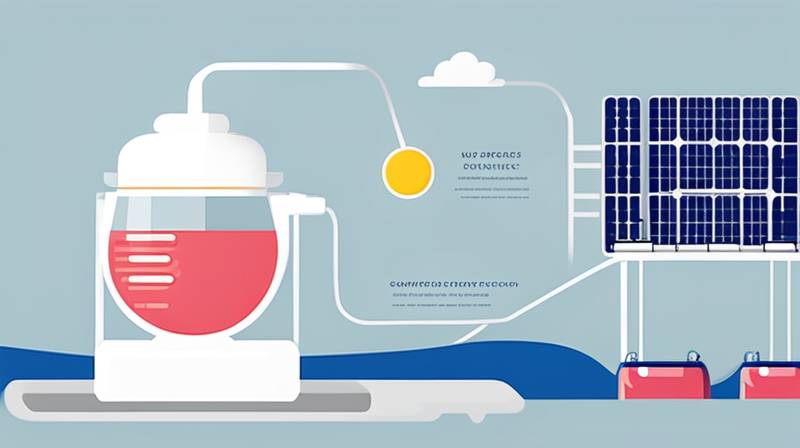
The intricate design of a solar pumped water storage system encompasses several critical components, each playing a pivotal role in optimizing energy storage and retrieval processes. These key elements include solar panels, pumping stations, water reservoirs, and turbines. Solar panels harness sunlight, converting it into electricity, which is then utilized to power the pumping stations responsible for moving water from a lower reservoir to an upper one.
The upper reservoir temporarily stores this water for later use, while the turbines are engaged to release the water back into the lower reservoir when electricity is required. Such a cyclic process ensures that energy harnessed during peak sunlight hours can be utilized whenever demand peaks, creating a reliable source of renewable energy. This robust design enables efficient energy management and a balanced integration of solar power within the energy grid.
HOW DOES SOLAR PUMPED WATER STORAGE COMPARE TO OTHER ENERGY STORAGE SOLUTIONS?
When evaluating energy storage solutions, solar pumped water storage, lithium-ion batteries, and compressed air energy storage present unique characteristics, costs, and efficiencies. Solar pumped water storage often displays higher energy efficiency, typically exceeding 80%, primarily due to its use of established hydroelectric technology. In contrast, lithium-ion batteries, while widely used, generally present higher costs and limited lifespans based on chemical wear.
Compressed air energy storage is another competitor, yet its efficiency rates remain below those of pumped hydro systems. However, solar pumped water storage requires geographical alignment with suitable topography, unlike lithium-ion batteries that can be deployed in varied locations. Each technology possesses distinct advantages based on specific usage applications. Therefore, the best approach lies in employing a combination of energy storage solutions tailored to meet diverse demands effectively.
WHAT FACTORS INFLUENCE THE EFFICIENCY OF SOLAR PUMPED WATER STORAGE SYSTEMS?
The efficiency of solar pumped water storage systems hinges upon several essential factors, each contributing to overall performance. One significant element is the design of the pumping and turbine components, as advanced technologies can improve energy conversion rates. Additionally, hydrological conditions, including reservoir size and water availability, directly impact the system’s capacity to store and retrieve energy.
Furthermore, the geographical characteristics of each installation site play a crucial role in determining operational efficiency. Sites with substantial elevation differences enable more effective pumping and energy generation processes. Climate conditions also affect solar energy availability, influencing the overall potential for energy storage. By closely monitoring and optimizing these factors, operators can enhance solar pumped water storage systems’ efficiency, maximizing their contributions to renewable energy efforts.
Original article by NenPower, If reposted, please credit the source: https://nenpower.com/blog/how-efficient-is-solar-pumped-water-storage/

