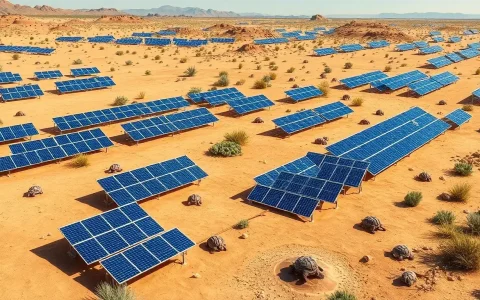
Water cooling systems for solar panels are an effective method to reduce panel temperature, which improves their electrical efficiency and overall performance, especially under high-temperature conditions.
Effectiveness of Water Cooling Systems on Solar Panels
1. Temperature Reduction and Efficiency Gains
Water cooling can significantly lower the operating temperature of photovoltaic (PV) panels. Studies report that water cooling systems reduce panel temperatures by about 10°C on average and up to 20°C in maximum temperature scenarios. Another research showed a temperature drop ranging from approximately 20% to 35% using water sprinklers, which is critical since excess heat reduces solar panel efficiency.
This reduction in temperature leads to improved electrical characteristics such as increased voltage and slightly reduced current, culminating in a net efficiency gain. Reported efficiency improvements from water cooling range from about 1% to over 12%, depending on the experimental setup and cooling method. For example, one study observed a 1% to 1.27% increase in electrical efficiency when cooled by water, which translated to a 0.5% net increase after accounting for the power consumed by the cooling system itself. Another showed a power increase of up to 14.1% with water cooling. Additionally, water cooling can yield approximately 3.25% to 12.29% improvement in power output in various experiments.
2. Peak Performance During Hot Periods
Water cooling is most effective during peak sunlight hours when panel temperatures are highest. Cooling mitigates the thermal losses that occur during these times, enabling panels to produce more power when it is most valuable.
3. Extended Panel Lifespan
Besides immediate efficiency gains, water cooling systems help extend the lifespan of solar panels by preventing thermal stresses, hot spots, and microcracks that can result from high operating temperatures. This reduces degradation rates and maintenance costs over time.
4. Integration and System Considerations
Water cooling systems are often implemented with components like a water reservoir, pump, and sprinkler mechanisms to spray panels when their temperature exceeds a threshold (e.g., 45°C). The used water, warmed by the panels, can also be recycled for secondary uses like water heating, increasing overall system efficiency. However, water consumption (e.g., about 15.6 liters per panel per day) needs to be considered, especially in water-scarce areas.
Hybrid cooling systems combining water and air cooling methods show even better temperature reduction and efficiency gains (up to ~40% temperature drop and 13% power increase), but water cooling alone already offers substantial benefits.
Summary of Benefits
| Benefit | Description |
|---|---|
| Temperature Reduction | Lowers panel temperature by 10-20°C or ~20-35% with water cooling |
| Efficiency Increase | Improves panel efficiency by ~1% to 14%, depending on setup |
| Power Output Improvement | Gains from ~3% to over 12% more power output |
| Peak Time Advantage | Most gains during midday peak solar radiation |
| Extended Lifespan | Reduces thermal stresses, enhancing durability and reliability |
| Potential for Thermal Integration | Heated water reuse for additional system efficiency |
Conclusion
Water cooling systems for solar panels are an effective way to enhance power generation by mitigating heat-related performance losses. They can increase energy output by several percentage points, improve voltage, and prolong panel life. While the exact efficiency gain depends on climatic conditions, system design, and water availability, water cooling generally proves beneficial, especially in hot environments. When combined with air cooling, even greater improvements are possible. Thus, water cooling is a practical solution to optimize solar panel performance and sustainability in high-temperature regions.
Original article by NenPower, If reposted, please credit the source: https://nenpower.com/blog/how-effective-are-water-cooling-systems-for-solar-panels/