

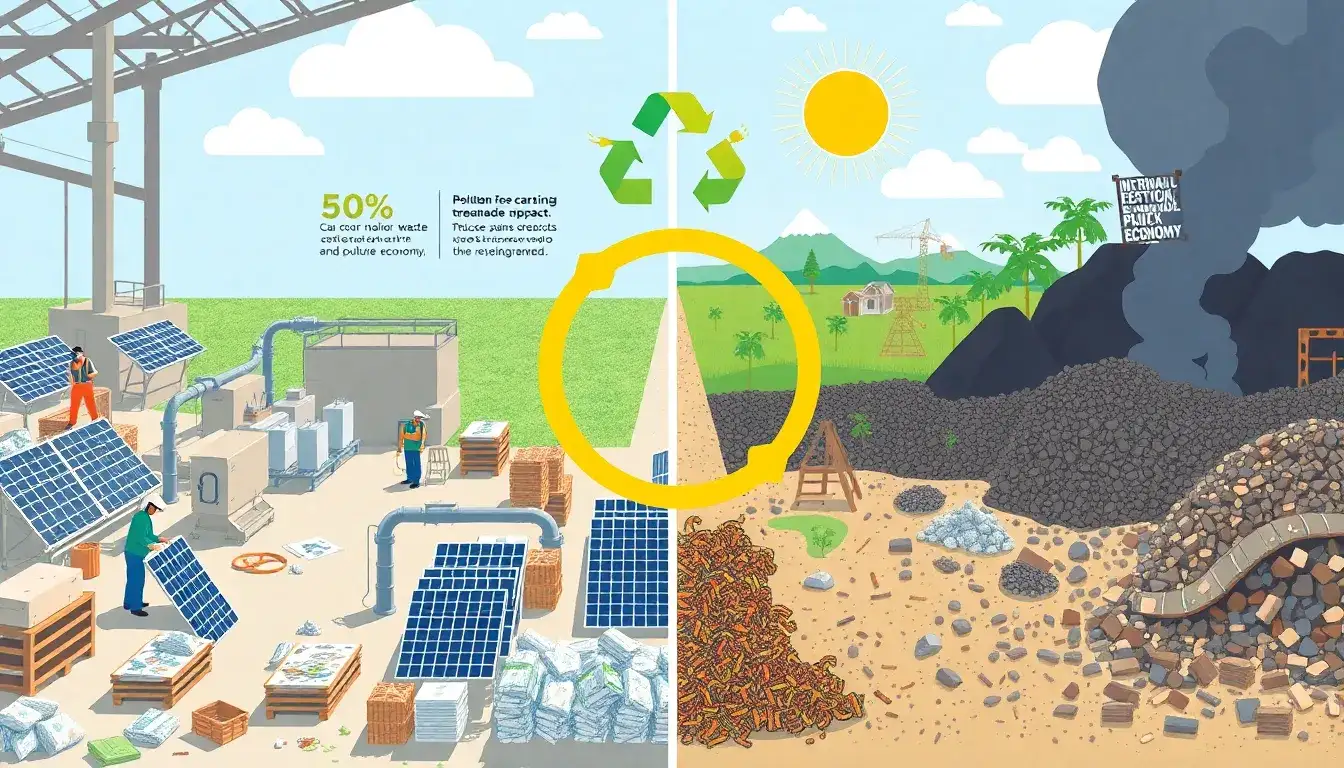
The current photovoltaic (PV) recycling policies in the United States show progress but remain limited in overall effectiveness due to several challenges in implementation, economic viability, and infrastructure.
Current State of PV Recycling in the US
- The US has developed some regulatory frameworks and programs aimed at establishing responsible end-of-life (EoL) management for solar panels. For example, Washington State pioneered a legislative approach with the Photovoltaic Module Stewardship and Takeback Program requiring manufacturers to provide takeback and recycling options, extending this to utility-scale panels as of 2020. There are also federal guidelines and expanding state-level Extended Producer Responsibility (EPR) policies that create a more structured approach.
- Despite these policies, only about 10% of decommissioned solar panels in the US currently undergo proper recycling. This low recycling rate is partly because the recycling process is not yet cost-effective or widely adopted, with economic challenges limiting scale and investment in recycling infrastructure.
- The volume of retiring panels is expected to surge by 2030, as millions of panels installed in the last decade reach their typical 25-30 year lifespan. The total area of panels expected to retire by 2030 equates to roughly 3,000 American football fields—a significant waste management challenge that existing policies are not fully equipped to handle today.
Challenges Impacting Effectiveness
- Economic viability: Solar panel recycling is currently more expensive than landfill disposal, discouraging widespread adoption. Although valuable materials like silver and silicon are recoverable, the complexity and cost of dismantling and processing panels limit profitability.
- Infrastructure limitations: There are relatively few specialized recycling facilities capable of processing PV modules efficiently in the US, leading to insufficient capacity to manage the growing volume of decommissioned panels.
- Policy gaps: While some states like Washington have proactive laws, most US states lack comprehensive PV recycling mandates or takeback programs, resulting in uneven policy coverage and inconsistent recycling rates nationwide.
Positive Developments and Outlook
- The industry has made strides in developing more efficient recycling technologies and establishing networks of responsible recyclers, which are expected to improve material recovery rates and cost-effectiveness over time.
- Collaborations between manufacturers, recyclers, research institutions, and policymakers are fostering momentum toward circular economy principles and sustainable solar panel lifecycle management.
- Growth in solar installations, supported by policies like the Inflation Reduction Act of 2022, will drive the need for scalable recycling solutions and stimulate investment in recycling infrastructure.
- The future of US PV recycling hinges on further standardization of recycling practices, expansion of processing facilities, and stronger regulatory support to ensure sustainable and economically viable end-of-life treatment of solar panels.
Summary
While the US has begun to establish PV recycling policies and infrastructure, current efforts recycle only a small fraction (~10%) of retired solar panels. Key barriers to effectiveness include economic costs, limited recycling infrastructure, and uneven policy adoption across states. However, evolving technologies, expanding legislative frameworks, and increasing industry collaboration are setting a foundation for more effective PV recycling in the coming years, crucial for handling the massive anticipated volume of PV waste and maximizing resource recovery in the solar sector.
Original article by NenPower, If reposted, please credit the source: https://nenpower.com/blog/how-effective-are-the-current-pv-recycling-policies-in-the-us/

