

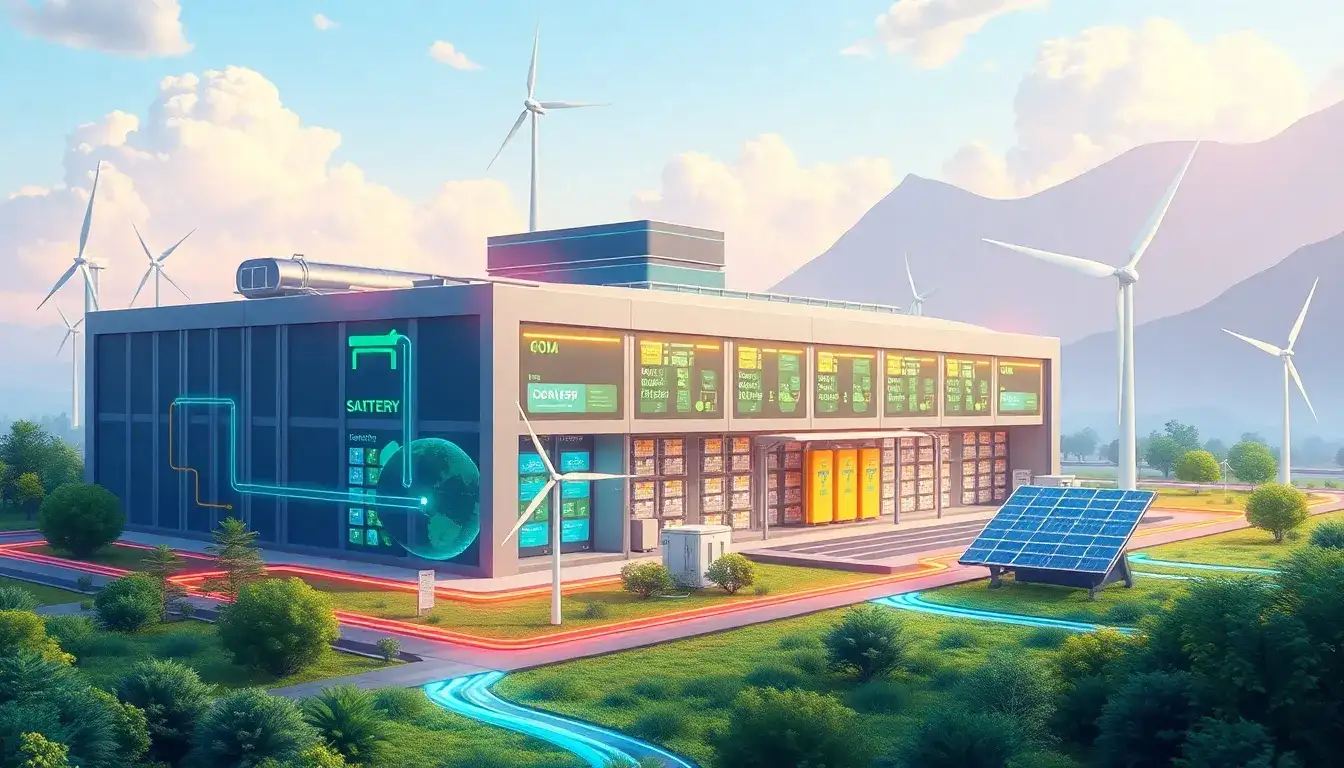
Energy storage solutions like batteries are increasingly effective in managing the intermittency of renewable energy sources, such as wind and solar. These technologies play a crucial role in stabilizing the power grid by storing excess energy generated during peak production periods and releasing it during low production times or high demand. Here’s a breakdown of their effectiveness and challenges:
Effectiveness of Batteries in Managing Intermittency
- Short-Term Storage: Batteries, particularly lithium-ion, are highly effective for short-term energy storage, typically up to four hours. They can charge during off-peak hours or when solar and wind systems are generating excess energy and discharge during peak demand times, helping to stabilize grid operations. This capability is essential for smoothing out fluctuations in energy supply from solar and wind sources.
- Grid Stability and Reliability: By providing a buffer for variable renewable energy outputs, batteries enhance grid stability and reliability, reducing the risk of blackouts and ensuring consistent energy availability.
- Market Opportunities: Batteries can take advantage of market pricing differences, allowing energy providers to earn revenue by storing energy when it’s cheap and releasing it when prices are high.
Challenges and Limitations
- Cost and Scalability: While batteries are effective for short-term storage, their high initial costs and limited scalability pose challenges for longer-term storage needs. Lithium-ion batteries, in particular, become less cost-effective for medium to long-term energy storage due to issues like thermal runaway.
- Technological Limitations: The technology is still evolving, with ongoing efforts to improve efficiency, durability, and cost-effectiveness. Innovations in battery chemistry and design are expected to address these challenges.
- Geographic Constraints: Some alternative energy storage solutions, like pumped hydro storage, are limited by specific geographic requirements.
Future Outlook and Alternatives
- Long-Duration Energy Storage (LDES): Technologies such as pumped hydro storage, compressed air energy storage, and thermal energy storage are being explored for longer-term energy storage needs. These technologies can provide energy for days or even weeks, offering a more stable grid solution.
- Innovations and Advancements: Continuous research and development in the energy storage sector are driving down costs and improving efficiency, making these solutions more viable for widespread adoption.
In summary, batteries are effective in managing intermittency over short periods but face challenges for longer durations. Ongoing innovations in both battery technology and alternative storage solutions are critical for more efficient and cost-effective management of renewable energy sources.
Original article by NenPower, If reposted, please credit the source: https://nenpower.com/blog/how-effective-are-energy-storage-solutions-like-batteries-in-managing-intermittency/

