

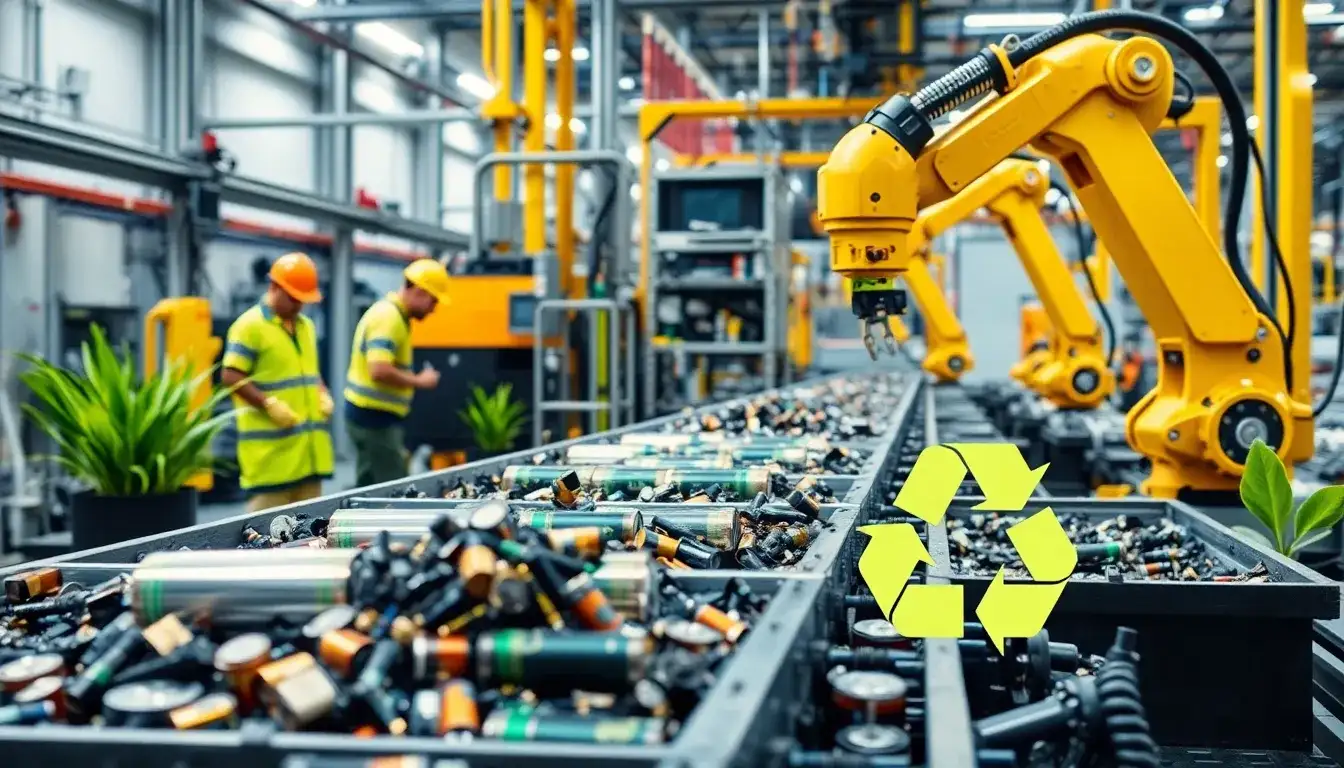
The effectiveness of current recycling methods for lithium-ion batteries varies based on several factors, including the technology used, the efficiency of recovery processes, and regional recycling practices.
Recycling Technologies and Efficiency
- Leaching and Smelting Processes: These are common methods used to recover metals like cobalt, nickel, and lithium. Leaching can be economically efficient for recovering a variety of metals, while smelting is often used for cobalt and nickel but requires additional steps for lithium recovery.
- Direct Recycling (Cathode-to-Cathode): This method preserves the cathode structure, reducing energy and manufacturing needs. It is considered a promising approach but is still in development.
- Li-Cycle’s Hub and Spoke Technologies: These methods allow for the recovery of up to 95% of key materials (lithium, nickel, and cobalt) through a combination of mechanical and hydrometallurgical processes. This approach is both sustainable and scalable.
Environmental Benefits
Recycling lithium-ion batteries offers significant environmental benefits compared to mining virgin materials. It reduces greenhouse gas emissions, energy consumption, and water usage.
Overall Effectiveness
While the technical efficiency of recycling can be high, the global recycling rate of lithium-ion batteries is difficult to determine due to varying estimates. Some studies suggest rates as low as 5%, while others estimate around 59% globally. However, the actual recycling rate is likely higher than 5% due to increased efforts and advancements in recycling technologies.
Challenges
Despite progress, challenges persist in lithium-ion battery recycling, including:
- Collection and Sorting: Effective collection and sorting systems are crucial for efficient recycling but are often lacking.
- Technological and Economic Feasibility: While some technologies can achieve high recovery rates, scaling these processes economically and sustainably remains a challenge.
Overall, current recycling methods for lithium-ion batteries are improving, with significant potential for reducing environmental impacts through increased efficiency and better recovery rates. However, more work is needed to establish comprehensive and reliable recycling systems globally.
Original article by NenPower, If reposted, please credit the source: https://nenpower.com/blog/how-effective-are-current-recycling-methods-for-lithium-ion-batteries/

