Battery energy storage systems (BESS) can be highly effective during extreme weather events, providing crucial grid resiliency and backup power, but their performance and safety depend on careful design, operation, and location-specific considerations.
Effectiveness of BESS During Extreme Weather
- Enhanced Grid Resilience and Power Continuity
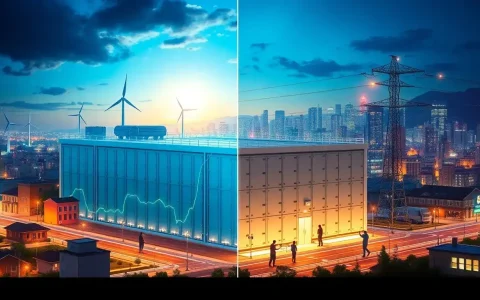
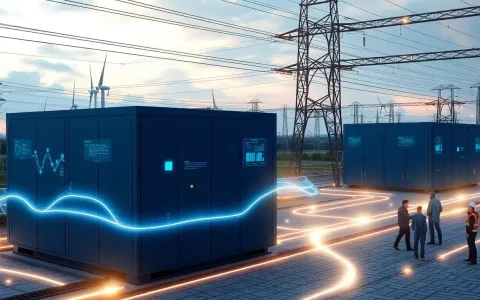
Utility-scale battery storage helps stabilize the power grid by reducing outages, brownouts, and blackouts, which often increase during extreme weather events such as heat waves, storms, and cold snaps. This capability is critical for protecting public health and safety by ensuring uninterrupted power to hospitals, emergency services, and vulnerable populations. - Backup Power for Homes and Critical Loads
For homeowners, BESS paired with renewables and energy management systems can supply backup power during grid outages due to extreme weather. Unlike whole-home generators requiring fuel, batteries provide a cleaner, quieter, and often more cost-effective solution for maintaining essential appliances and medical equipment during outages. - Grid Load Management and Peak Demand Response
During extreme conditions, energy storage systems can store excess energy during low demand and release it during peak times, reducing grid strain and enhancing stability. This demand response capability helps utilities manage fluctuating loads exacerbated by weather stresses.
Challenges and Risks Under Extreme Weather
- Thermal and Environmental Stressors
Severe weather conditions such as prolonged elevated temperatures, flooding, and high humidity accelerate battery degradation and can cause safety hazards, including thermal runaway events (fires or explosions). For example, flooding from Hurricane Ian led to EV batteries submerged in saltwater bursting into flames. Water ingress and elevated temperatures can compromise battery enclosures and cells if not properly engineered. - Installation and Design Considerations
Battery pack assembly, enclosure materials, and sealing technologies are critical to protect batteries from water intrusion, corrosion, and thermal extremes. Enclosures must be optimized for heat transfer and pressure release to mitigate risks. High ingress protection ratings and routine maintenance/testing of enclosures after harsh weather exposure are essential to ensure safety and performance. - Location-Specific Deployment
The geographic deployment environment (coastal, humid, freezing, desert) greatly influences battery choice and design. Batteries operating in extreme cold require integrated heating and insulation systems to maintain optimal temperatures and reliable performance. Advanced chemistries and ruggedized designs are necessary for these environments. - System Availability and Operational Management
The value of storage during extreme weather is contingent upon system availability and uptime. Systems offline during critical events fail to provide needed power, causing grid instability and costly outages. Proven software and proactive energy management platforms can maintain high availability rates (up to 98%), significantly improving reliability during heat waves and cold snaps.
Innovations Increasing Effectiveness
- Thermally regulated battery enclosures with heating/cooling loops and phase change materials allow batteries to operate reliably under extreme temperature fluctuations.
- Advanced chemistries (e.g., lithium titanium oxide, nickel manganese cobalt oxide) improve battery performance in cold climates and enhance durability.
- Smart sensing and battery management systems optimize charging, prevent overheating, and enable predictive maintenance, increasing reliability in harsh environments.
- Integration with home energy management and vehicle-to-home technologies further enhances backup power reliability for residential users.
Summary Table of Effectiveness Factors
| Aspect | Impact on BESS Effectiveness in Extreme Weather |
|---|---|
| Grid Stability | Improves resiliency, reduces outages, manages peak loads |
| Backup Power for Homes | Provides reliable, fuel-free backup during outages |
| Thermal Management | Critical for preventing degradation and safety hazards |
| Water and Corrosion Protection | Essential to avoid thermal runaway and equipment failure |
| Geographic Deployment | Determines battery chemistry and enclosure design requirements |
| Operational Availability | High uptime through advanced software/platforms ensures reliability |
| Innovations | Advanced chemistries, thermal controls, smart sensors enhance durability and performance |
Conclusion
Battery energy storage systems are a key technology to maintain power supply and grid stability during extreme weather events. Their effectiveness hinges on robust design, protective enclosures, environmental adaptations, and sophisticated operational management. When properly engineered and maintained, BESS not only mitigate outage risks but also support integration of renewables, reduce costs, and strengthen grid resilience—making them indispensable as climate change intensifies weather extremes.
Original article by NenPower, If reposted, please credit the source: https://nenpower.com/blog/how-effective-are-battery-energy-storage-systems-during-extreme-weather-events/