

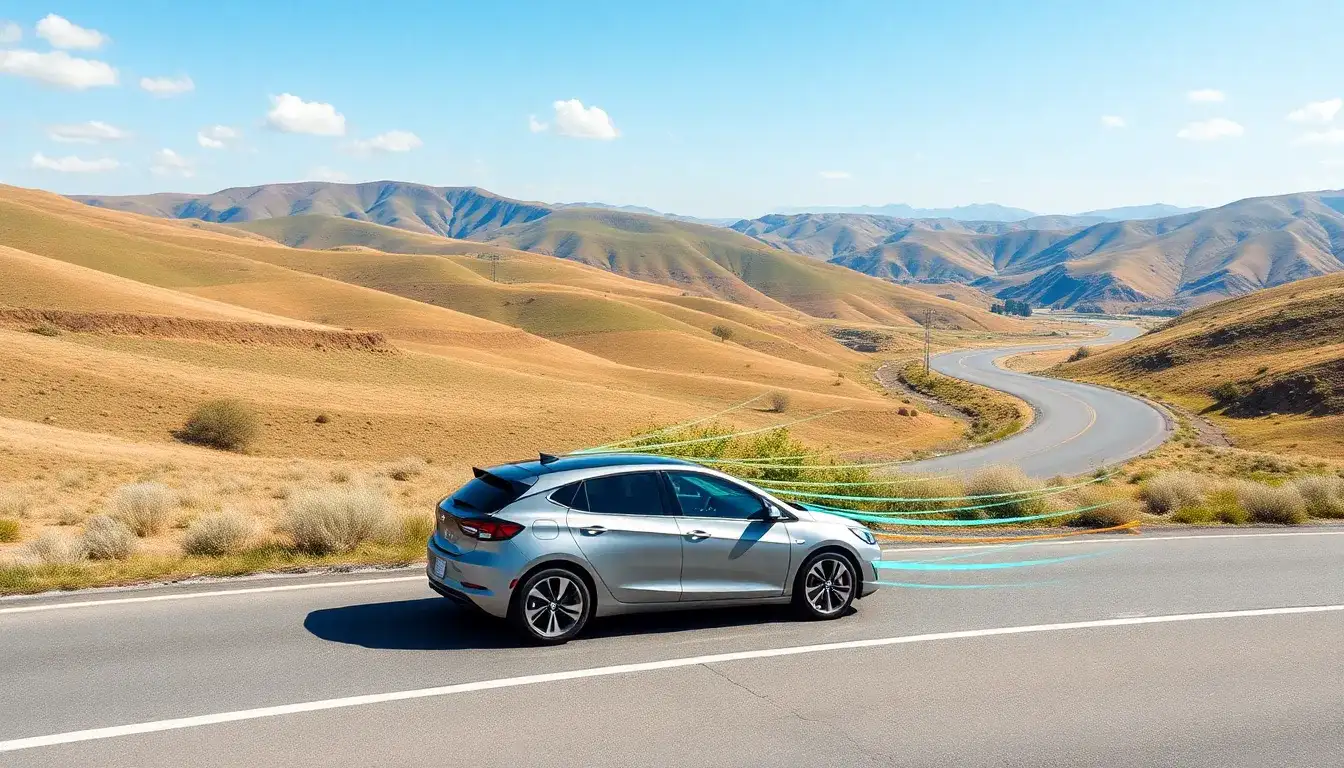
Wind Impact on EV Range
- Headwind: A headwind increases the aerodynamic resistance that an EV faces, requiring the motor to work harder to maintain speed. This results in increased energy consumption and reduced range. For example, a headwind of about 10 m/s can reduce highway range by approximately 19%.
- Tailwind: Conversely, a tailwind can assist an EV by reducing aerodynamic resistance, leading to better efficiency and increased range. A direct tailwind can boost range by about 6-7%.
- Sidewind: Sidewinds have a lesser impact compared to headwinds but still contribute to increased energy consumption. Their effect is not as pronounced as headwinds.
In summary, headwinds negatively impact EV range by increasing resistance, while tailwinds have a positive effect by reducing resistance. Sidewinds have a moderate effect.
Key Points:
- Headwind Impact: Increases energy consumption, reduces range.
- Tailwind Impact: Improves efficiency, increases range.
- Sidewind Impact: Less impact than headwind, but still affects efficiency slightly.
Recommendation
To optimize EV range in windy conditions, consider planning routes that align with favorable winds when possible, or adjust driving strategies to compensate for headwinds.
Original article by NenPower, If reposted, please credit the source: https://nenpower.com/blog/how-does-wind-direction-specifically-impact-ev-range/

