

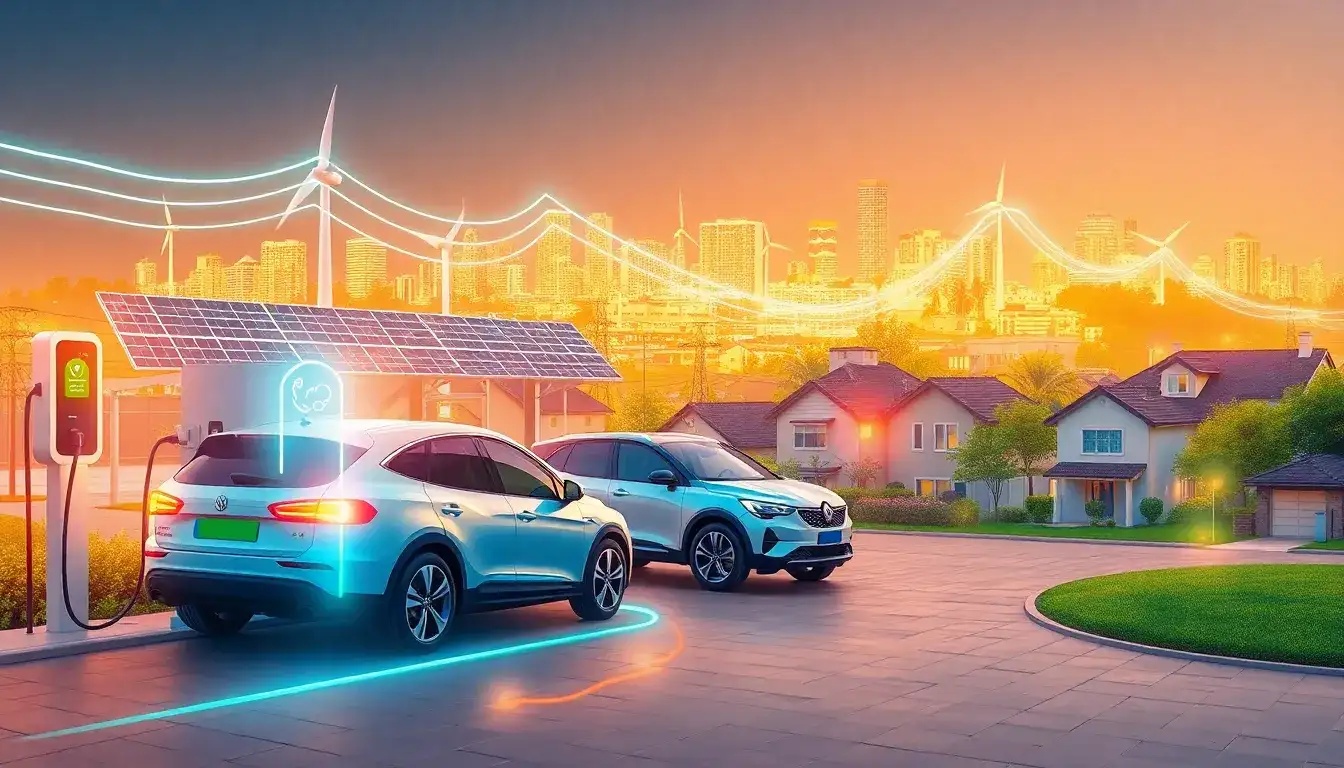
Vehicle-to-Grid (V2G) technology contributes significantly to grid stability through several key mechanisms:
Energy Storage and Load Balancing
V2G enables electric vehicles (EVs) to act as mobile energy storage units that can absorb and store excess electricity produced during periods of low demand or high renewable energy generation (such as midday solar peak). This stored energy can later be fed back into the grid during peak demand times, helping to balance supply and demand dynamically. This bidirectional flow of electricity smooths out fluctuations inherent to intermittent renewable sources like wind and solar, thus improving grid reliability and resilience.
Voltage and Frequency Regulation
V2G systems can help regulate grid voltage and frequency by adjusting the energy flow in response to real-time grid conditions. During times of high demand or grid stress, EVs can discharge energy to support voltage stability, reducing the risk of outages or brownouts. Conversely, during low demand, they can absorb excess energy, preventing overvoltage situations. This load-balancing capability enhances overall grid stability by smoothing out variability in power flow.
Integration of Renewable Energy
As renewable energy penetration increases, grid operators face challenges from the intermittency and unpredictability of sources like solar and wind. V2G technology mitigates these challenges by providing distributed energy storage that can store surplus renewable generation and dispatch it when renewables are not available. This helps maintain a more stable and reliable grid, supporting the transition to a low-carbon energy system.
Emergency Backup Power
In addition to supporting grid operations, V2G-enabled EVs can act as emergency power suppliers to households or critical facilities during grid outages, enhancing energy security in disaster-prone areas. This capability adds a layer of resilience to the energy system, which indirectly contributes to grid stability by reducing the impact of unexpected power interruptions.
Economic and Grid Reliability Benefits
By allowing EV owners to sell excess energy back to the grid during high-demand periods, V2G incentivizes participation in grid stabilization efforts. This can alleviate strain on the grid caused by peak demand spikes, lower energy costs overall, and encourage broader adoption of EVs and renewables, further reinforcing a robust and stable grid infrastructure.
Summary Table: V2G Contributions to Grid Stability
| Contribution Area | Description |
|---|---|
| Energy Storage & Load Balancing | Stores surplus energy from renewables; releases during peaks |
| Voltage & Frequency Regulation | Adjusts power flow to maintain stable grid voltage and frequency |
| Renewable Energy Integration | Facilitates higher renewable penetration by mitigating intermittency |
| Emergency Backup Power | Provides backup power to homes/facilities during outages |
| Economic & Reliability Benefits | Incentivizes grid stabilization and reduces peak demand strain |
In essence, Vehicle-to-Grid technology transforms EVs into dynamic, decentralized energy resources that enhance grid flexibility, support renewable energy integration, and improve overall power system stability and reliability.
Original article by NenPower, If reposted, please credit the source: https://nenpower.com/blog/how-does-vehicle-to-grid-v2g-technology-contribute-to-grid-stability/

