

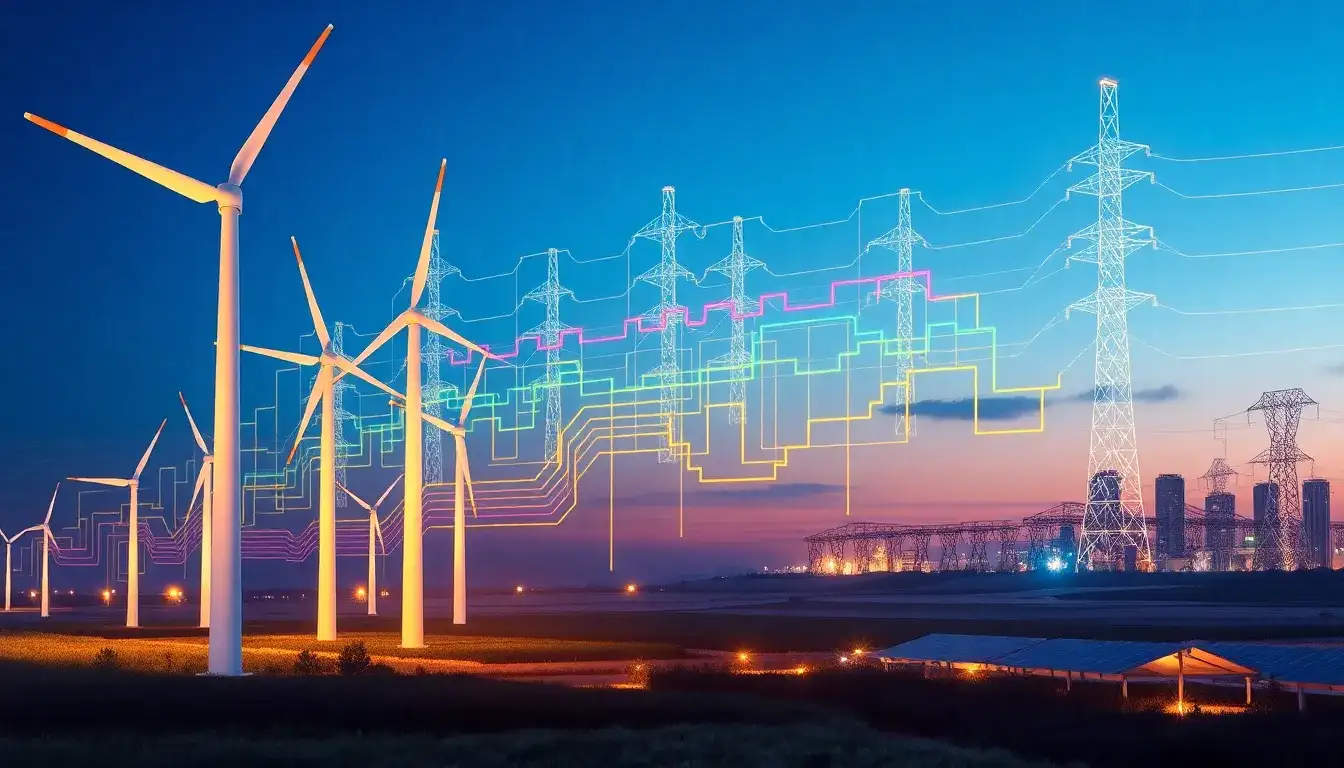
Variable speed technology, particularly in hydropower and other renewable energy systems, significantly improves grid stability through several key mechanisms:
Advantages of Variable Speed Technology in Grid Stability
- Operational Flexibility:
- Generation and Pumping Modes: Variable speed technology allows hydropower units to adjust their speed during both generation and pumping modes, which enhances their ability to respond to changing grid conditions. This flexibility is crucial for balancing supply and demand in real-time, especially with intermittent renewable energy sources.
- Ancillary Services: Systems like variable-speed pumped hydro units (VS-PHU) can operate as synchronous condensers or static synchronous compensators (STATCOMs), providing additional grid support by controlling reactive power and voltage stability.
- Enhanced Response Time:
- Rapid Startup: Variable speed systems, especially those using power converter-fed synchronous machines (CFSM), can reduce startup times in pumping mode without requiring dewatering. This rapid response capability is critical for maintaining grid stability by quickly adjusting to changing power demands.
- Physical Inertia:
While variable speed systems themselves may not inherently provide physical inertia (a property of traditional synchronous generators that helps maintain grid frequency stability), they can be used in conjunction with or to complement systems that have inertia. The integration of these technologies helps stabilize the grid by enabling faster response times to grid disturbances. - Integration with Renewable Energy Sources:
Variable speed technology facilitates more efficient integration of intermittent renewable energy sources into the grid. By adjusting output and providing ancillary services, it helps mitigate fluctuations in power generation due to weather conditions or load changes, thereby enhancing overall grid stability.
Examples and Applications
- Variable-Speed Hydropower Plants (VSHP): These plants are becoming essential for stabilizing power grids as renewable energy integration increases. Their capability to offer flexible power output and support grid ancillary services makes them vital for grid resilience.
- Variable Speed Diesel Generators with VS-DFIG: In small-scale grids, technologies like Variable Speed Doubly-Fed Induction Generators (VS-DFIG) combined with battery energy storage systems (BESS) improve grid stability by smoothing power fluctuations from renewable sources and enhancing transient stability during grid faults.
Original article by NenPower, If reposted, please credit the source: https://nenpower.com/blog/how-does-variable-speed-technology-improve-grid-stability/

