

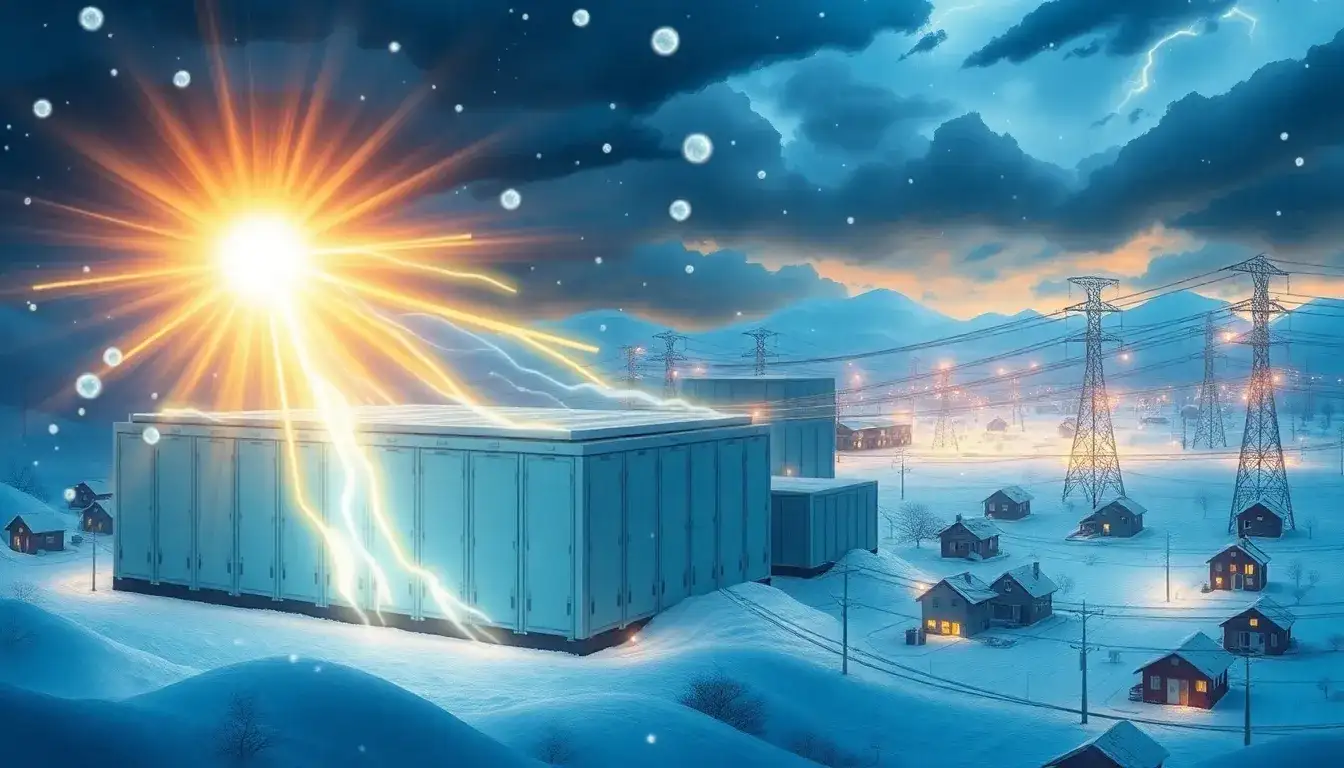
Benefits of Utility-Scale Energy Storage During Extreme Weather Events
1. Minimized Power Outages
Utility-scale energy storage, particularly battery energy storage systems (BESS), helps minimize power outages by providing backup power when the grid is under stress. This is especially vital during extreme weather events like hurricanes or wildfires, where power outages can be life-threatening or disrupt critical services like hospitals.
2. Improved Grid Resiliency
Energy storage systems enhance grid resiliency by strategically managing power supply and demand. They allow utilities to store excess energy during off-peak times and deploy it during peak demands or system failures, thus reducing the likelihood of brownouts and blackouts.
3. Enhanced Operational Flexibility
Utility-scale storage can quickly respond to changes in energy demand or supply disruptions caused by extreme weather. This fast response capability helps maintain power stability and supports the grid’s ability to recover more quickly from disruptions.
4. Cost-Effective and Reliable Operations
Energy storage can optimize energy purchases during low-cost periods and dispatch stored energy during high-demand times, reducing operational costs and enhancing reliability for utilities.
Overall, utility-scale energy storage is essential for ensuring reliable, efficient, and resilient power supply during extreme weather events.
Original article by NenPower, If reposted, please credit the source: https://nenpower.com/blog/how-does-utility-scale-energy-storage-help-during-extreme-weather-events/

