

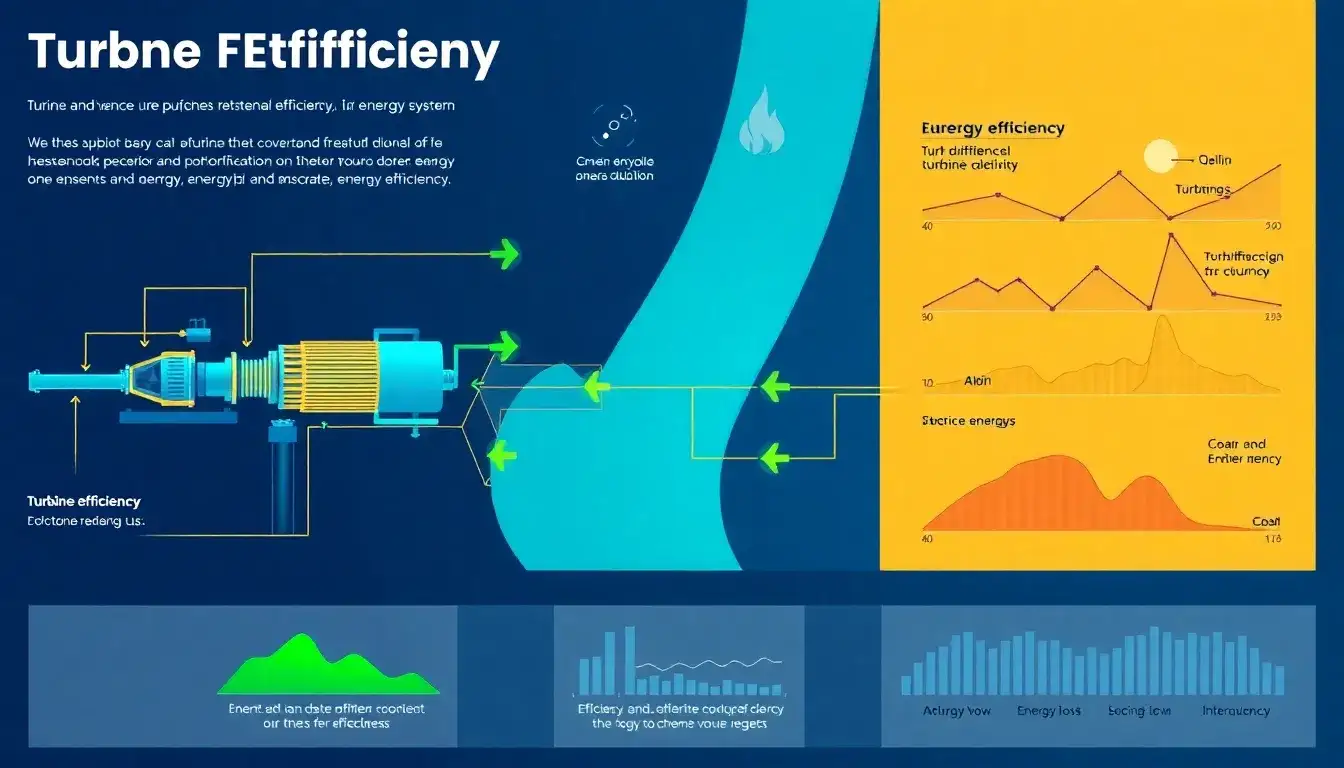
Turbine Efficiency and Energy Consumption
- Efficiency and Round-Trip Efficiency: The efficiency of the turbine, along with other components like the pumps, generators, and motors, contributes to the overall round-trip efficiency of the pumped storage system. The round-trip efficiency for PSH systems typically ranges between 70% and 80%. This means that for every unit of electricity used to pump water to the upper reservoir, the system can generate less than a full unit when the water flows back down. Higher turbine efficiency can improve this figure, reducing net energy consumption.
- Mechanical Losses and Wear: Turbines, particularly those used in reversible configurations (e.g., Francis turbines), undergo significant wear due to their dual role as pumps and turbines. This wear increases maintenance costs and reduces efficiency over time, impacting the system’s ability to store and release energy effectively. Efficient turbines minimize mechanical losses, which in turn reduce the amount of energy needed for pumping and maximize the energy output when generating electricity.
- Optimization of Operation: Efficient turbines allow for better optimization of the pumping and generating cycles. With more efficient turbines, the system can pump water at lower energy costs during off-peak hours and generate more electricity during peak demand periods, optimizing revenue and reducing overall energy consumption.
- Impact on System Performance: The performance of the turbine directly affects the performance of the entire system. Inefficient turbines can lead to reduced output during generation phases, necessitating more energy to achieve the same level of water movement during pumping phases. This increases the system’s net energy consumption and can lead to reduced profitability and effectiveness in stabilizing the grid.
Conclusion
In summary, turbine efficiency is critical for minimizing the energy consumption of pumped hydroelectric systems. It impacts the round-trip efficiency, mechanical wear, operational optimization, and overall performance of the system. Improving turbine efficiency can enhance the energy storage capacity, reduce costs, and optimize the system’s role in supporting grid stability.
Original article by NenPower, If reposted, please credit the source: https://nenpower.com/blog/how-does-turbine-efficiency-impact-the-overall-energy-consumption-of-pumped-hydroelectric-systems/

