

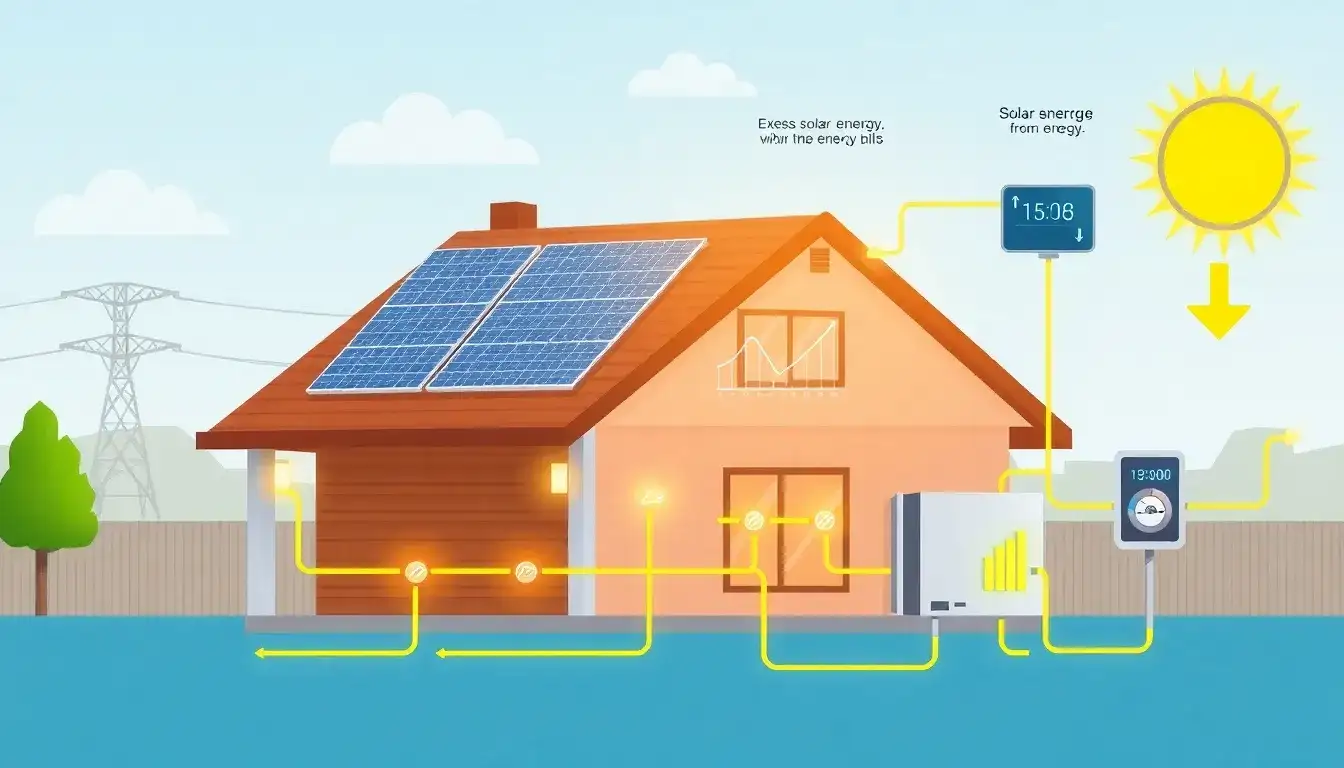
Time-of-use (TOU) optimization in solar-plus-storage systems is a strategy that enhances energy efficiency and reduces electricity costs by leveraging the varying rates charged by utility companies depending on the time of day. Here’s how it works:
Understanding Time-of-Use Rates
TOU Rates Defined
TOU rates are a pricing structure where the cost of electricity fluctuates based on the time of day, with higher rates during peak demand periods—generally late afternoons to early evenings—and lower rates during off-peak times, such as early mornings or late nights. This design aims to encourage energy consumption during times when the grid is less congested, promoting overall efficiency.
Impact on Savings
Homeowners with solar systems can maximize their savings by aligning energy consumption and storage with these rate schedules. Specifically, solar panels typically produce the most energy during midday; thus, storing this energy in battery systems during these times can be advantageous for later use when TOU rates spike.
How Solar-Plus-Storage Systems Utilize TOU Optimization
Energy Storage Systems (ESS)
Solar-plus-storage systems integrate solar photovoltaic (PV) panels with battery storage technologies, allowing homeowners to store excess solar energy generated during the day. This stored energy can then be utilized during peak price periods, reducing reliance on grid electricity and subsequently lowering energy bills.
Dynamic Energy Management
Advanced energy management systems can optimize the operation of solar-plus-storage installations. For instance, these systems can be programmed to:
- Charge batteries during off-peak hours when electricity is cheaper.
- Discharge stored energy during peak hours to avoid high costs.
This process, often referred to as TOU arbitrage, enables homeowners to shift their energy usage patterns significantly.
Net Metering Considerations
With TOU rates influencing net metering (the process of crediting solar energy producers for surplus electricity fed back into the grid), homeowners can gain additional savings by exporting energy at peak rates. This is beneficial as the credits received for energy fed into the grid during peak times can be more valuable than energy generated during off-peak periods.
Benefits of TOU Optimization
- Cost Savings: By strategically discharging stored energy during peak rate hours, homeowners can significantly reduce their electricity costs.
- Increased Energy Independence: Utilizing stored solar energy helps to lessen reliance on the grid, which can be particularly beneficial during high demand periods.
- Environmental Impact: Using solar energy during peak times reduces the need for fossil fuel-generated electricity, contributing positively to environmental sustainability.
Implementation Strategies
To effectively leverage TOU optimization, homeowners can take several steps:
- Monitor Energy Usage: Using smart meters and energy monitoring systems helps track usage patterns and better align consumption with TOU rates.
- Plan Energy-Intensive Activities: Shifting activities such as laundry or charging electric vehicles to off-peak hours can further capitalize on lower rates.
- System Configuration: Installing and configuring an intelligent energy management system tailored to specific TOU rate structures can maximize overall efficiency and savings.
In summary, time-of-use optimization with solar-plus-storage systems allows homeowners to navigate the complexities of current energy pricing, maximizing savings while enhancing energy resilience and contributing to environmental stewardship.
Original article by NenPower, If reposted, please credit the source: https://nenpower.com/blog/how-does-time-of-use-optimization-work-with-solar-plus-storage-systems/

