

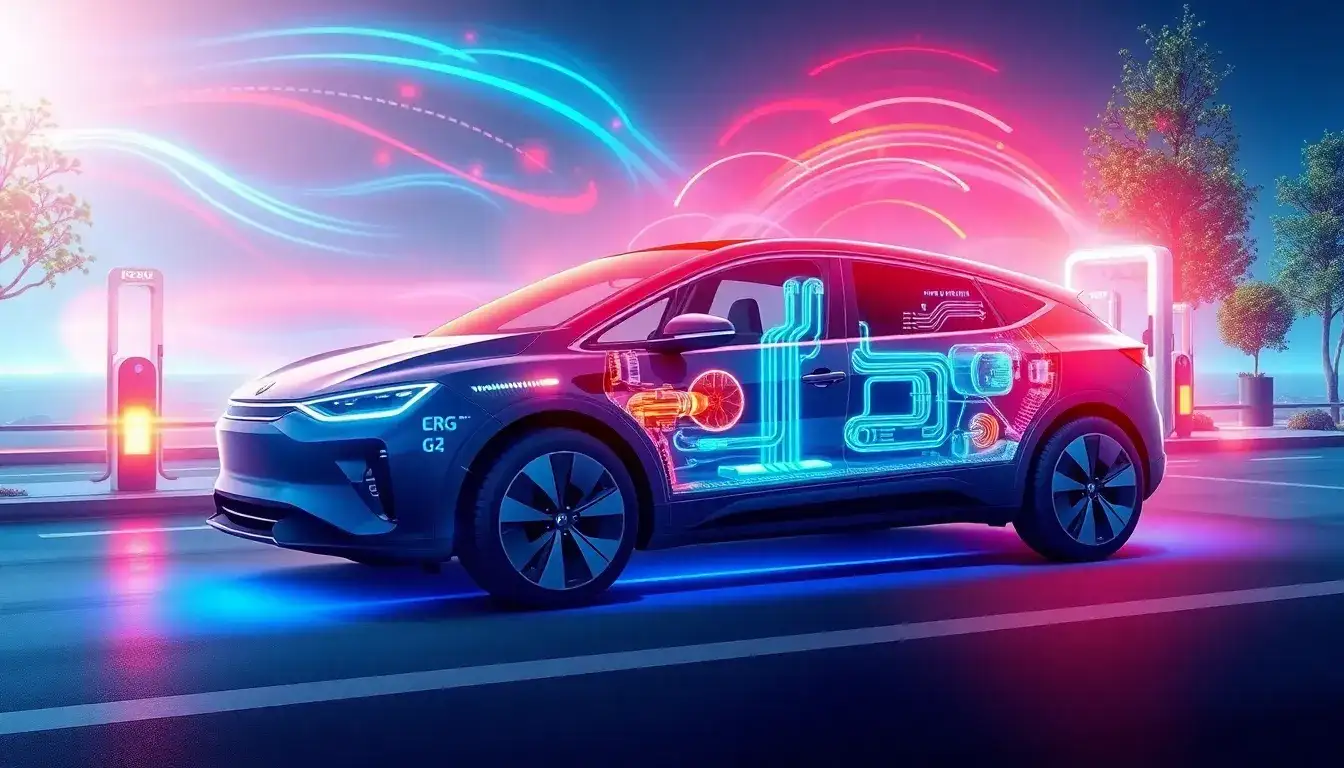
Thermal management in modern electric vehicles (EVs) is crucial to mitigating the negative effects of fast charging, which generates substantial heat within the battery pack. Without effective thermal regulation, battery temperatures can surpass safe limits (above 45°C), accelerating battery degradation and forcing the charging system to reduce power to protect battery health, thus slowing down the charging process.
Key Mechanisms of Thermal Management in Fast Charging
- Dynamic and Smart Cooling Control:
Advanced EVs employ smart thermal management systems that dynamically monitor critical factors such as state of charge (SOC), ambient temperature, and battery temperature. These systems use centralized controllers to adjust cooling components in real time, including electronic expansion valves, bypass conduits, heat exchangers, and electric water pumps. The goal is to maintain the battery within optimum temperature ranges—typically around 15-25°C for fast charging. Unlike traditional fixed-setpoint systems, this dynamic approach prevents temperature spikes by initiating cooling proactively before heat reaches critical levels, allowing fast charging to proceed without throttling. - Liquid Cooling Systems:
Liquid cooling is the predominant method to dissipate heat efficiently during fast charging. Circulating a refrigerant or coolant through the battery pack absorbs the heat generated and transfers it to a heat exchanger, where it is dissipated outside. This method is highly effective at managing temperatures even during very high power charges (e.g., 150 kW DC charging), where battery pack temperatures could otherwise spike dramatically (potentially upwards of 270°C without cooling). - Preemptive and Adaptive Cooling:
Fast charging thermal management systems often utilize predictive algorithms based on battery chemistry and state, adjusting cooling intensity in anticipation of heat generation. This avoids the reactive approach of turning on cooling only after temperature rises, which can be too late to prevent power reduction during charging. - Temperature Uniformity Control:
These advanced systems maintain minimal temperature variation across battery cells (typically less than 3°C difference), which is crucial to prevent localized overheating that can speed up degradation and further reduce battery lifespan. - Charger Component Cooling:
Thermal management also extends to the power electronics within the charging stations, which generate significant waste heat during fast charging. Robust cooling systems in chargers ensure their reliability and efficient operation, enabling consistent charging performance even under extreme thermal loads.
Benefits of Thermal Management in Fast Charging
- Sustained Charging Speed:
By keeping battery temperature within safe bounds, thermal management prevents automatic reduction of charging power due to overheating, allowing EVs to achieve and maintain high charging rates consistently. - Extended Battery Life:
Controlling temperature reduces chemical degradation caused by heat, thereby prolonging battery longevity despite frequent fast charging cycles. - Increased Vehicle Range and Performance:
Maintaining batteries within optimal temperature ranges ensures they operate efficiently, supporting better driving range and performance. - Energy Efficiency:
Smart systems reduce unnecessary cooling, optimizing energy use by activating cooling only when needed, thus conserving battery energy and reducing system wear.
In summary, modern EVs mitigate the adverse effects of fast charging through sophisticated thermal management systems that combine proactive, dynamic cooling with liquid refrigeration techniques and intelligent control algorithms. This integrated approach maintains optimal battery temperatures, ensures safe and efficient fast charging, and preserves battery health and performance over time.
Original article by NenPower, If reposted, please credit the source: https://nenpower.com/blog/how-does-thermal-management-in-modern-evs-mitigate-the-effects-of-fast-charging/

