

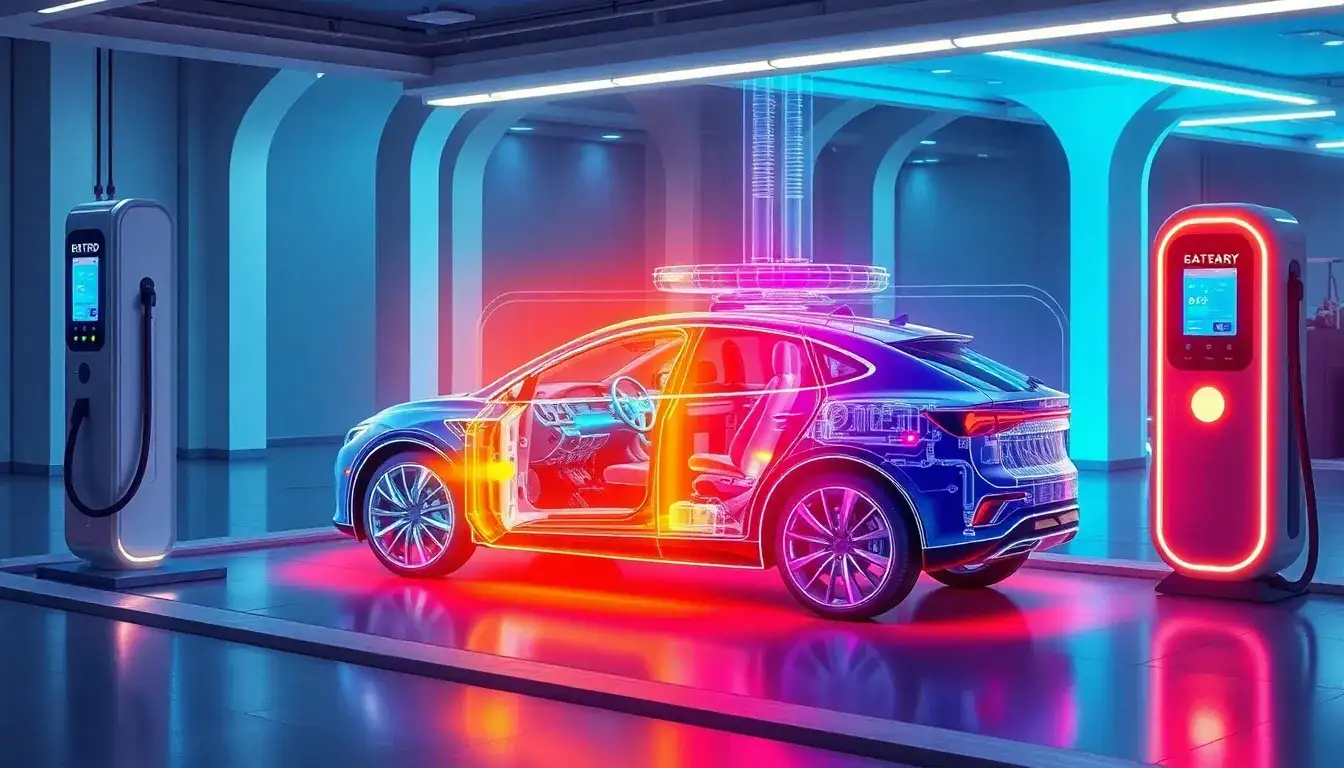
Impact on Safety
Battery Thermal Management
- Prevention of Thermal Runaway: Proper thermal management prevents lithium-ion batteries from overheating, which can lead to thermal runaway—a rapid and potentially catastrophic increase in temperature. This phenomenon can cause battery failure, fire, or even explosions.
- Optimal Performance Conditions: Batteries operate best within a specific temperature range. Maintaining this range ensures efficient energy transfer, extends battery life, and enhances vehicle performance.
Component Protection
- Power Electronics and Motors: Inadequate heat dissipation can cause malfunctions in power electronic systems and motors, potentially leading to component failures and safety risks.
- Corrosion Prevention: Thermal management fluids must be designed to minimize corrosion, which can lead to leaks and further thermal inefficiencies.
Safety Features and Regulations
- Compliance with Safety Standards: Effective thermal management systems ensure compliance with safety regulations by maintaining safe operating conditions despite extreme external temperatures or fast charging scenarios.
- Emergency Preparedness: Systems are designed to handle unexpected events like coolant leaks, ensuring that they do not compromise vehicle safety.
Conclusion
Thermal management is essential for maintaining the safety and reliability of electric vehicles. It prevents overheating, ensures optimal component performance, and reduces the risk of accidents like thermal runaway. By integrating advanced materials and systems, manufacturers can enhance safety while improving vehicle efficiency and longevity.
Original article by NenPower, If reposted, please credit the source: https://nenpower.com/blog/how-does-thermal-management-impact-the-safety-of-electric-vehicles/

