

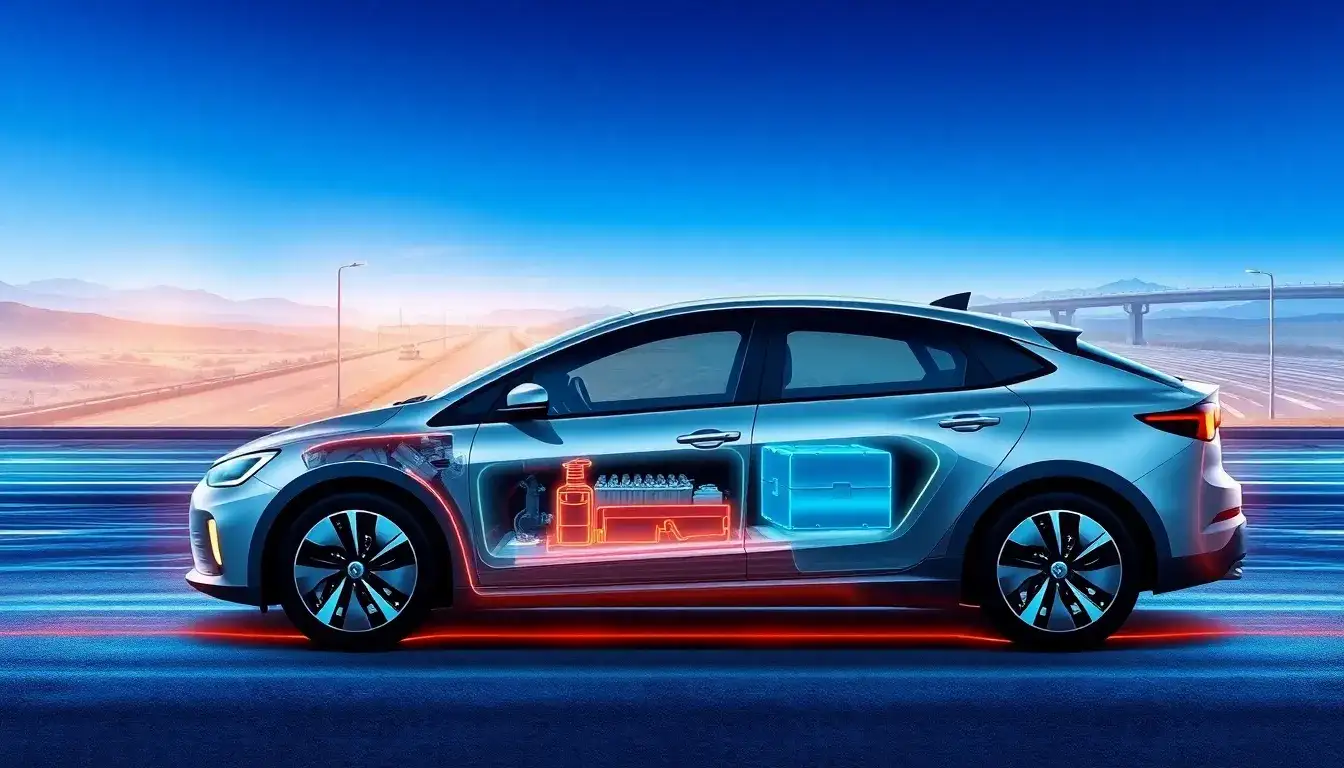
Thermal management significantly impacts the range and efficiency of electric vehicles (EVs) by maintaining optimal operating temperatures for key components such as the battery, electric motor, and power electronics.
Impact on Range and Efficiency
- Battery Performance and Longevity
The battery’s efficiency and lifespan strongly depend on maintaining its temperature within an optimal range. Batteries that operate outside their ideal temperature window experience reduced energy capacity, leading to decreased driving range and faster degradation over time. For example, cold temperatures can cause batteries to deliver less power and reduce range, while overheating can damage battery cells and shorten battery life. Effective thermal management prevents such issues by heating the battery in cold conditions and cooling it in hot conditions. - Motor and Power Electronics Efficiency
Electric motors and associated power electronics (like inverters) also have temperature limits. Without proper cooling, components risk demagnetization, insulation aging, and even motor burnout, all of which degrade efficiency and reliability. Maintaining these components at optimal temperatures preserves their performance and reduces energy losses, contributing to overall vehicle efficiency. - Charging Speed and Safety
Thermal management ensures batteries can safely accept high charging currents by preventing overheating during fast charging. When the battery temperature is well-controlled, the vehicle can charge faster without risking thermal damage, thus improving usability and convenience. - Climate Control Integration
Thermal management systems often work in tandem with cabin climate control systems, using heat pumps, heaters, or chillers to maintain passenger comfort without excessively draining the battery. Efficient integration helps optimize energy use for both propulsion and climate control, preserving vehicle range.
Components and Methods
EV thermal management systems typically include:
- Liquid coolant loops for battery and motor cooling or heating.
- Refrigerant loops with chillers and compressors to handle high heat loads.
- Electric heaters for warming components in cold climates.
- Control systems that adjust cooling and heating based on component and ambient temperatures.
In summary, thermal management directly influences an EV’s driving range and efficiency by keeping batteries and motors within their optimal temperature ranges, enabling faster charging, preventing damage, and improving overall system performance and durability. Efficient thermal control also balances energy use between propulsion and passenger comfort, further extending usable range. This makes thermal management a critical technology in advancing EV performance and user experience.
Original article by NenPower, If reposted, please credit the source: https://nenpower.com/blog/how-does-thermal-management-impact-the-range-and-efficiency-of-electric-vehicles/

