

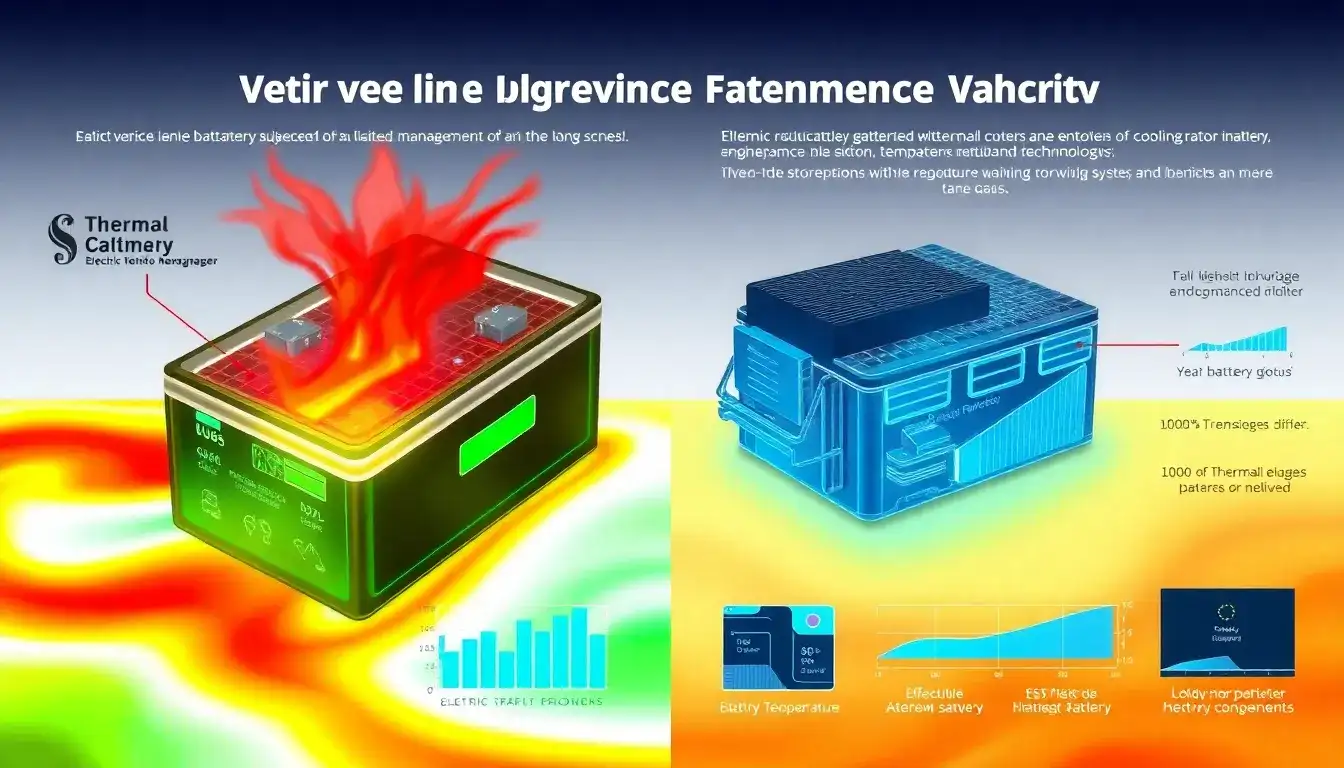
Thermal management significantly impacts the lifespan of electric vehicle (EV) batteries by maintaining the battery’s temperature within an optimal range, typically between 20°C and 40°C. This regulation helps prevent degradation and enhances overall battery performance and safety.
How Thermal Management Affects EV Battery Lifespan
1. Prevents Accelerated Degradation
High temperatures accelerate the chemical reactions inside the battery, causing faster degradation of battery cells and reducing their capacity and output over time. Excessive heat can even lead to thermal runaway, a dangerous condition that may cause fires or explosions. Conversely, cold temperatures increase the battery’s internal resistance, lowering power output and potentially leading to inefficient charging and lithium plating, which damages battery health. Proper thermal management minimizes these temperature-induced stresses, thereby slowing down degradation and extending battery life.
2. Optimizes Charging Efficiency and Safety
Maintaining the battery within the ideal temperature range during charging is critical. High temperatures during fast charging can damage cells and shorten battery lifespan, while charging at too low temperatures can reduce efficiency and lead to lithium plating. Thermal management systems enable safe, efficient fast charging by cooling the battery, allowing higher charging currents without harming the battery and thus preserving its longevity.
3. Enhances Battery Performance and Range
By keeping the battery at optimal temperatures, thermal management improves energy transfer efficiency during both charging and discharging. This results in better driving range and consistent power delivery, which indirectly supports the battery’s long-term durability by avoiding stress caused by suboptimal operating conditions.
4. Mitigates Temperature Fluctuations
Thermal management systems reduce the fluctuation of temperatures caused by external weather, driving conditions, and regenerative braking. Stabilizing the battery temperature avoids repeated thermal stress cycles that contribute to faster battery wear and degradation, thereby extending lifespan.
Summary
Effective thermal management:
- Keeps battery temperatures within a safe, optimal range (20°C–40°C)
- Prevents heat-accelerated degradation and thermal runaway risks
- Avoids efficiency losses and damage from cold temperatures
- Enables faster, safer charging that protects battery cells
- Maintains consistent performance and vehicle range
- Reduces thermal cycling stress on battery components
All these factors combine to significantly extend the operational life of EV battery packs, making thermal management systems one of the most crucial technologies in electric vehicles.
Original article by NenPower, If reposted, please credit the source: https://nenpower.com/blog/how-does-thermal-management-impact-ev-battery-lifespan/

