

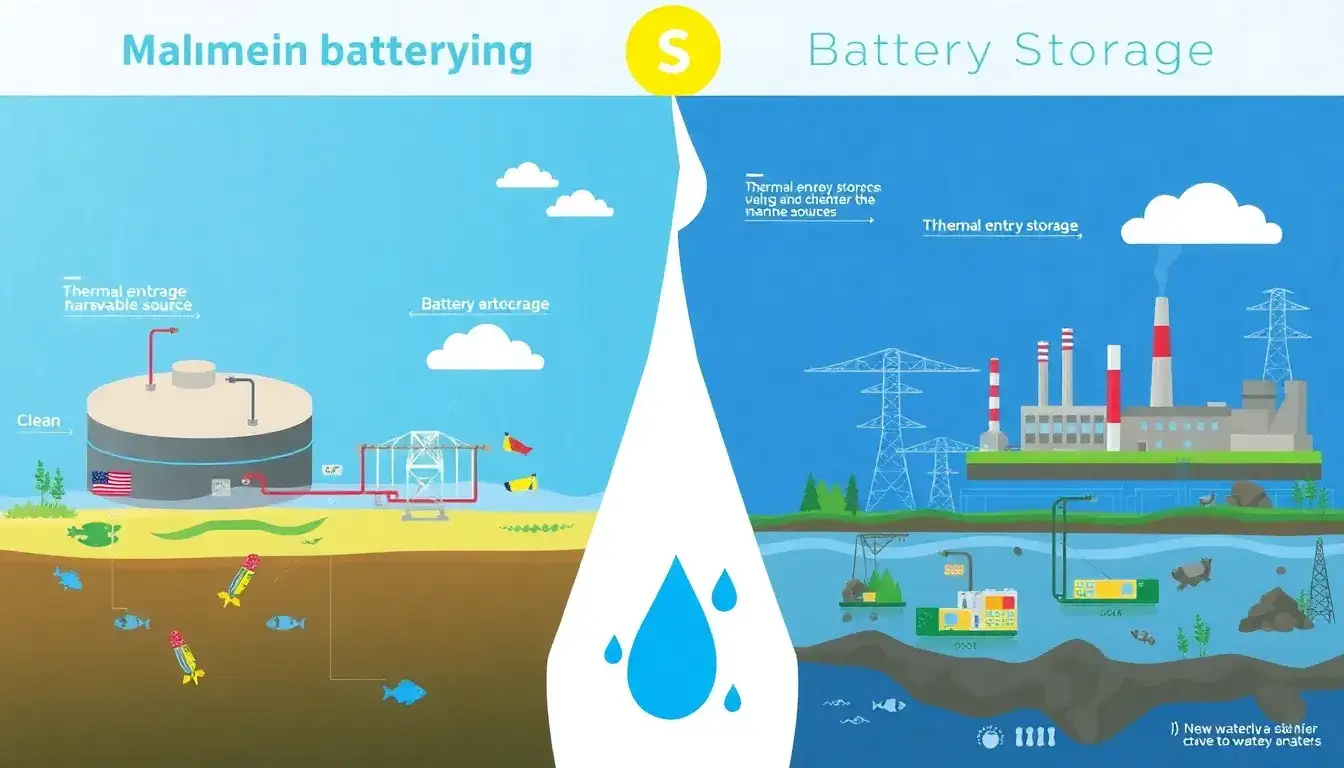
Thermal Energy Storage and Water Pollution
Thermal energy storage, especially when used in thermal power plants or combined heat and power (CHP) systems, often involves the release or discharge of heated water into natural water bodies such as rivers, lakes, or oceans. This discharge causes thermal pollution, which raises the temperature of the water, disrupting aquatic ecosystems in several ways:
- Elevated water temperatures reduce dissolved oxygen levels, stressing aquatic life and potentially leading to fish kills and biodiversity loss.
- Thermal shock from sudden temperature changes can cause immediate mortality in sensitive species.
- Warmer waters encourage harmful algal blooms, which release toxins harmful to aquatic life and human health.
- Aquatic plants and wetlands lose their carbon storage ability under warmer conditions, contributing to climate change feedback loops.
- There are also human health risks from contaminated water and algal toxins affecting communities relying on these waters for drinking, agriculture, and recreation.
Although TES systems themselves are designed to store and release heat efficiently, their operation in power plants can contribute to thermal pollution if not properly managed. However, TES can also reduce greenhouse gas emissions compared to conventional fossil fuel backup systems, contributing positively to environmental goals.
In some TES systems like aquifer thermal energy storage (ATES), there can be localized impacts on groundwater quality, including the introduction of bacteria and changes in chemical composition, but these are often minor and manageable with proper system design and monitoring.
Battery Storage and Water Pollution
Battery storage systems typically do not involve discharging heated water and thus do not cause thermal pollution. However, battery storage has its own environmental challenges related to water pollution, but of a different nature:
- The production, use, and disposal of batteries can lead to contamination of water with heavy metals and toxic chemicals like lead, cadmium, lithium, and electrolytes if not properly managed.
- Mining for battery materials can pollute water bodies near mining sites.
- Battery recycling and disposal require careful handling to prevent leaching of hazardous substances into groundwater and surface water.
Summary Comparison
| Aspect | Thermal Energy Storage | Battery Storage |
|---|---|---|
| Water pollution type | Thermal pollution via heated water discharge; changes in water temperature and chemistry | Chemical pollution risk from battery materials and disposal |
| Impact on aquatic life | Reduced oxygen, thermal shock, algal blooms, biodiversity loss | Potential toxicity from heavy metals if leakage occurs |
| Environmental management | Requires cooling systems, effluent treatment, temperature monitoring to reduce impact | Requires careful mining, recycling, and disposal processes |
| Contribution to GHG emissions | TES can reduce emissions compared to fossil fuel backup | Batteries reduce emissions by enabling renewable integration |
| Groundwater impact | Possible minor chemical changes and microbiological effects in ATES | Potential contamination from battery waste if unmanaged |
Conclusion
Thermal energy storage can directly impact water bodies through thermal pollution by releasing heated water, which disrupts aquatic ecosystems and water quality. Battery storage, on the other hand, does not cause thermal pollution but poses risks of chemical pollution primarily during manufacturing, disposal, or if improperly handled. Proper environmental controls and technological improvements in both storage types are essential to minimize their respective impacts on water pollution.
Original article by NenPower, If reposted, please credit the source: https://nenpower.com/blog/how-does-thermal-energy-storage-impact-water-pollution-compared-to-battery-storage/

