

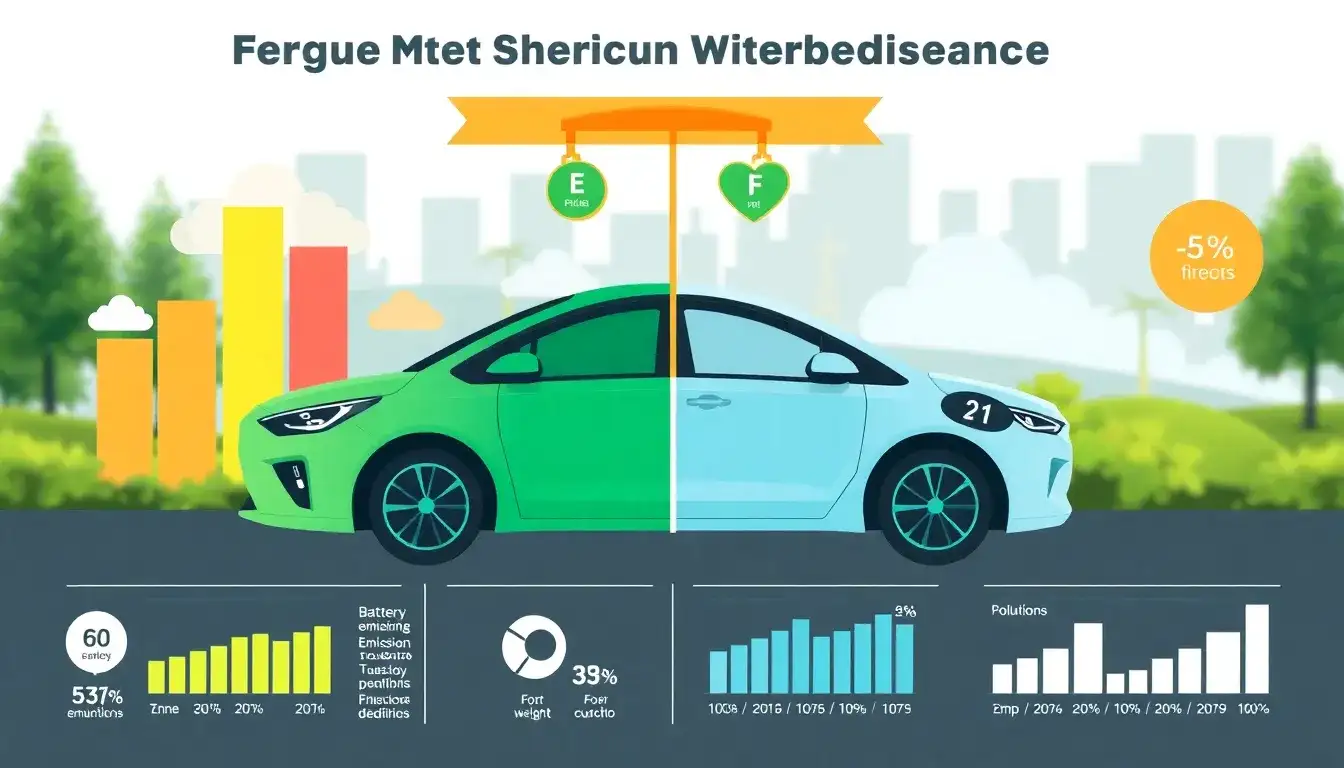
1. Energy Efficiency Tradeoffs
Heavier batteries increase vehicle weight, reducing the efficiency of converting stored electricity and gasoline into distance traveled. This means more energy is required to propel the vehicle, leading to:
- Higher electricity consumption per mile when operating in electric mode.
- Increased gasoline consumption if the battery is depleted or if frequent charges are not feasible.
For example, when PHEVs are charged frequently (e.g., every 20–50 miles), smaller batteries are more efficient and emit fewer GHGs than larger ones. However, larger batteries can offset emissions if charged often enough to maximize electric-only range.
2. Battery Degradation and Long-Term Emissions
As PHEV batteries degrade over time, their electric range diminishes, forcing greater reliance on the combustion engine. This degradation increases lifecycle emissions:
- Reduced electric range leads to more frequent gasoline use, raising CO₂ emissions.
- Manufacturing impacts of heavy batteries (energy-intensive production) contribute to higher embedded emissions.
3. Charging Behavior and Operating Modes
- Frequent charging (e.g., every 25 miles) allows smaller batteries to outperform HEVs in emissions and cost.
- Infrequent charging or reliance on the engine to recharge the battery (e.g., charge-sustaining or charge-increasing modes) can lead to 60% higher CO₂ emissions compared to electric-dominated use.
Key Findings
- Optimal battery size depends on charging frequency: smaller batteries are better for short, frequent trips; larger batteries may benefit drivers with reliable charging infrastructure.
- Lifecycle emissions for PHEVs are 32% lower than conventional vehicles but only marginally better than HEVs under average U.S. grid conditions.
In summary, battery weight exacerbates emissions when charging is infrequent or when battery degradation occurs, but lightweight, smaller batteries paired with frequent charging can reduce emissions effectively.
Original article by NenPower, If reposted, please credit the source: https://nenpower.com/blog/how-does-the-weight-of-the-battery-affect-the-overall-emissions-of-phevs/

