

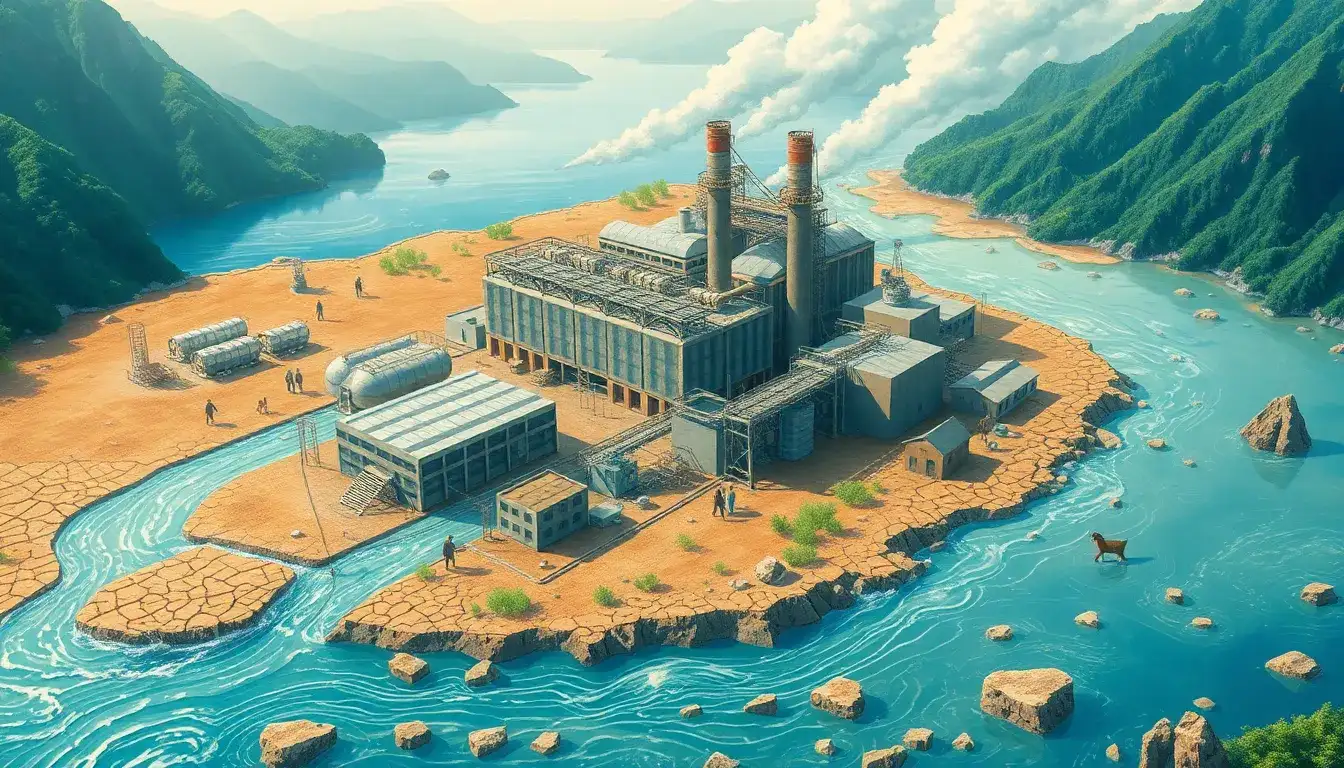
Water consumption in battery manufacturing significantly contributes to environmental impacts primarily due to the large volumes of water required across various stages of production and the associated water depletion and pollution risks.
Water Consumption in Battery Manufacturing
- Estimates of water used to produce lithium, a key component in batteries, vary widely from about 400 liters to as much as 2 million liters of water per kilogram of lithium, highlighting the water-intensity of raw material extraction and processing.
- Water is heavily used in the refining and transformation of ores, which are major contributors to the water depletion potential in the battery supply chain.
- Within the battery cell manufacturing stage, a substantial portion of water consumption occurs, with studies indicating that decarbonized water used during cell manufacturing accounts for around 59% of the total water consumption inventory.
Environmental Impacts
- The large water consumption leads to water scarcity concerns, especially in regions where lithium mining and battery production occur, compounding local environmental stress.
- Battery manufacturing facilities use significant water volumes for cooling towers, process needs, and wastewater discharge. Approximately half of the water used evaporates, a third becomes wastewater, and the rest is consumed in production, which can lead to contamination risks if not properly managed.
- The high water footprint intertwines with carbon emissions and other environmental impacts, as water-intensive mineral extraction and manufacturing processes also emit toxic fumes and greenhouse gases.
Mitigation and Efficiency Opportunities
- Water reuse and recycling at battery gigafactories can substantially reduce fresh water demand and the environmental footprint by capturing and treating wastewater, stormwater, and cooling tower plume water for reuse in production.
- Implementing advanced water treatment and reuse technologies can improve water efficiency, reduce wastewater discharge, and lower the carbon footprint associated with water procurement and treatment.
In summary, the extensive water consumption in battery manufacturing, especially in lithium extraction and cell production, poses significant environmental challenges related to water scarcity and pollution. Addressing these impacts requires focused efforts on water reuse, efficient water management, and sustainable sourcing practices throughout the battery supply chain.
Original article by NenPower, If reposted, please credit the source: https://nenpower.com/blog/how-does-the-water-consumption-in-battery-manufacturing-contribute-to-environmental-impacts/

