

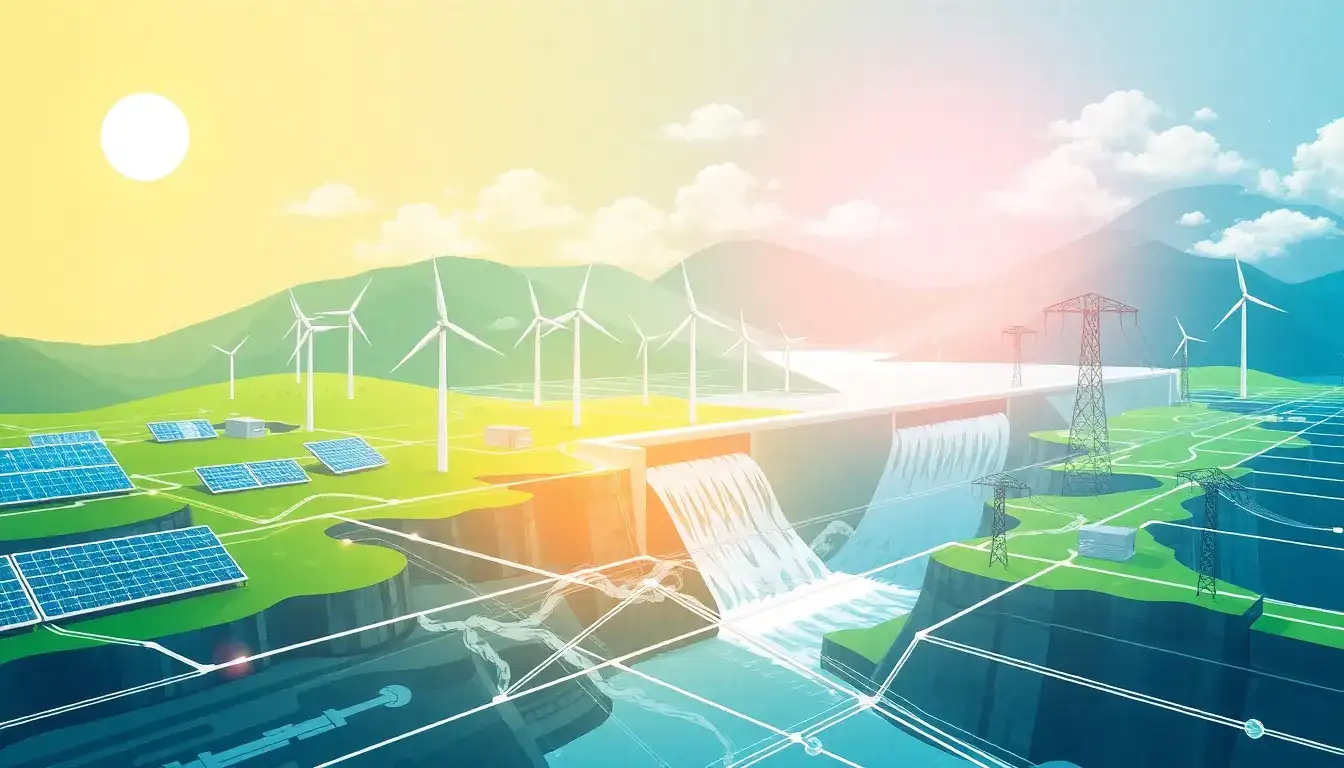
Impact of Renewable Energy Variability on Grid Stability
The integration of renewable energy sources, such as solar and wind power, into electrical grids presents several challenges related to grid stability. These challenges arise primarily due to the variability and unpredictability of renewable energy output.
Key Challenges
- Intermittency and Unpredictability:
- Renewable energy sources like wind and solar are intermittent; they depend on weather conditions, leading to fluctuations in power output. Wind turbines generate electricity only when the wind blows, and solar panels produce energy during daylight hours, with output varying due to cloud cover and seasonal changes.
- This unpredictability complicates the task of maintaining a balanced supply and demand, which is crucial for grid stability.
- Frequency and Voltage Control:
- Traditional power grids rely on inertial responses from spinning generators to stabilize frequency and voltage. Renewable sources, lacking physical inertia, require inverters to manage these aspects, which can be ineffective during sudden changes in power output.
- Voltage and frequency anomalies can lead to system-wide issues like blackouts if not properly managed.
- Demand-Supply Mismatch:
- Peak renewable energy production often doesn’t align with peak demand. For example, solar energy peaks during the day when demand is typically lower, while peak energy use occurs in the evenings or mornings when solar output is minimal.
- This mismatch can lead to excess energy during the day, which can strain the grid if not stored or managed efficiently, and insufficient energy during peak demand hours.
- Overload Disturbances:
- On sunny or windy days, renewables can overproduce energy, causing sudden spikes in power supply. This can overwhelm the grid infrastructure, leading to potential outages or the disconnection of energy sources to prevent system failures.
Solutions to Enhance Grid Stability
- Advanced Storage Systems:
- Technologies like battery energy storage systems (BESS) can help stabilize the grid by storing excess energy during peak production times and releasing it when needed.
- Smart Grid Technologies:
- Implementing smart grid systems that can predict and manage renewable energy outputs more effectively can help balance supply and demand.
- Grid Upgrades and Enhancements:
- Incorporating grid-enhancing technologies (GETs) can improve the grid’s ability to handle variable renewable energy sources by enhancing system flexibility and resilience.
- Policy Frameworks:
- Governments can enact policies that encourage the adoption of renewable energy while addressing the challenges it poses to grid stability through incentives for advanced infrastructure and storage solutions.
By addressing these challenges with innovative technologies and policies, the integration of renewable energy sources can contribute to a more sustainable energy future without compromising grid stability.
Original article by NenPower, If reposted, please credit the source: https://nenpower.com/blog/how-does-the-variability-of-renewable-energy-sources-impact-grid-stability/

