

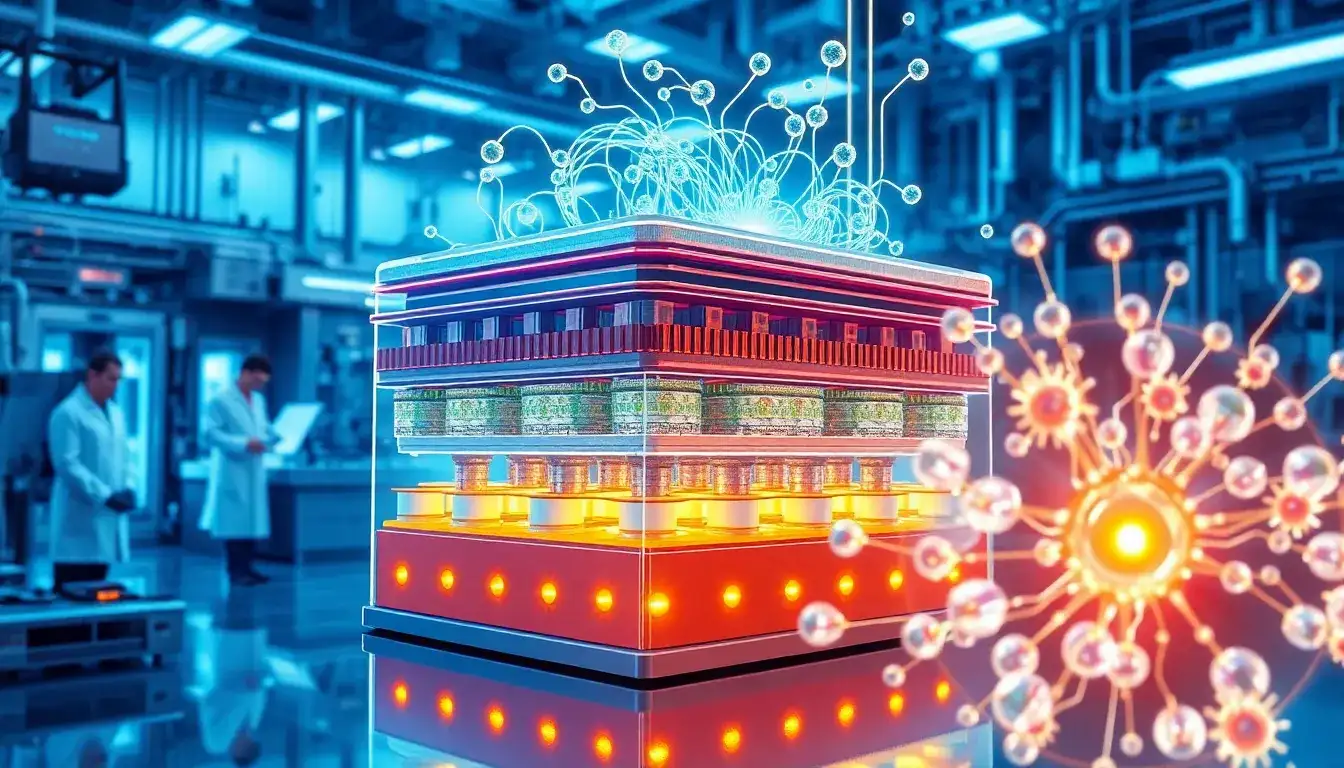
The use of solid electrolytes in the manufacturing process of solid-state batteries introduces several key challenges and opportunities compared to traditional liquid electrolyte batteries. Here are some of the impacts on the manufacturing process:
Challenges in Manufacturing
- Complexity and Scalability: Solid-state batteries require complex fabrication processes due to the difficulty of producing defect-free, thin solid electrolyte layers. This complexity arises because of the need for precise contact between the solid electrolyte and electrodes, which is crucial for reducing interfacial resistance and improving performance.
- Cost and Material Sensitivity: Solid electrolyte materials are often expensive and sensitive to moisture, requiring the use of dry rooms during manufacturing to prevent degradation. This adds costs and logistical challenges to the production process.
- Chemical Degradation: Solid electrolytes can chemically degrade over time when they react with other components like lithium metal or cathode materials, leading to reduced performance and lifespan.
- Mechanical Properties: Many solid electrolytes, such as oxide-based materials, are brittle and rigid, complicating the assembly of batteries and hindering large-scale production.
Opportunities and Improvements
- Advanced Materials and Techniques: Innovations in materials science are helping to overcome these challenges. For example, sulfide-based and oxide-based materials enhance the conductivity and thermal stability of solid electrolytes. Techniques like cold sintering and thin-film deposition facilitate the production of uniform interfaces, reducing interfacial resistance and improving safety.
- Simulation Tools: The use of advanced simulation tools allows researchers to model ion transport and predict material behavior under different conditions. This capability helps optimize battery designs before physical prototyping and production, significantly enhancing performance and efficiency.
- Increased Efficiency and Safety: Although solid electrolytes present manufacturing challenges, they offer significant benefits in terms of faster charging, higher energy density, and improved safety compared to traditional liquid electrolyte batteries. These advantages make them an attractive option for future battery applications.
Overall, while the use of solid electrolytes complicates the manufacturing process, ongoing innovations in materials and techniques are working to address these challenges, aiming to make solid-state batteries more viable for widespread adoption.
Original article by NenPower, If reposted, please credit the source: https://nenpower.com/blog/how-does-the-use-of-solid-electrolytes-impact-the-manufacturing-process-of-solid-state-batteries/

