

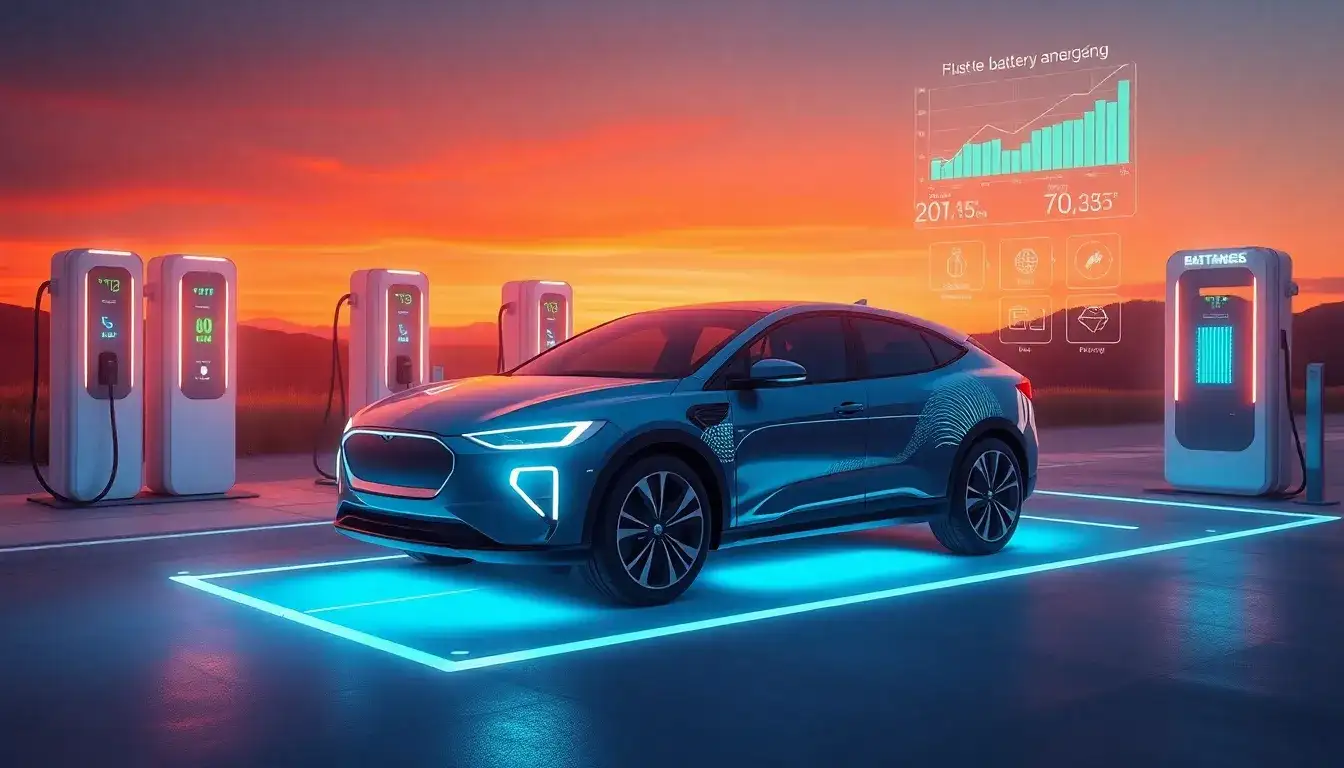
The use of DC fast charging does impact battery degradation, but the extent of this impact is generally small and manageable due to modern battery and vehicle design.
Impact of DC Fast Charging on Battery Degradation
- Minor but measurable impact: Frequent DC fast charging can accelerate battery degradation slightly compared to slower Level 2 or AC charging. Studies indicate that fast charging may cause a faster decline in battery capacity and health, but this effect is typically minimal. For example, one study found that frequent fast charging (more than three times per month) increased battery degradation by only about 0.1% compared to those who never used fast charging. Another study on Nissan Leafs showed that exclusive DC rapid charging caused a 16% higher rate of degradation compared to AC fast charging, which is still a moderate increase.
- Heat generation as a key factor: DC fast charging delivers a large amount of energy quickly, which generates heat inside the battery pack. Elevated temperatures accelerate chemical degradation mechanisms such as electrolyte decomposition and breakdown of electrode materials. This heat can also cause mechanical stresses and structural changes inside the battery. Despite thermal management systems designed to regulate battery temperature during fast charging, prolonged or frequent exposure to high temperatures can contribute to increased battery wear over time.
- Battery management systems help mitigate damage: Most modern electric vehicles are equipped with advanced thermal management systems to actively cool or heat the battery pack as needed. These systems keep the battery within optimal temperature ranges during fast charging sessions, greatly reducing the potential harm from heat.
- Charging state and usage patterns: High state-of-charge (SoC) operations combined with fast charging can compound degradation, as batteries stressed by both high voltage and temperature degrade faster. Proper charging habits and avoiding constant use of fast charging where possible are recommended to extend battery life.
Summary
While DC fast charging does accelerate battery degradation relative to slower charging methods, this effect is generally small—on the order of a fraction of a percent to a few percent faster degradation rate. The main cause is heat generated during rapid energy transfer, but modern EVs’ thermal management systems effectively reduce the risk. Occasional use of DC fast charging is unlikely to significantly harm the battery or substantially reduce vehicle range. However, frequent or exclusive use may slightly shorten battery lifespan, so complementing fast charging with slower charging is preferable for long-term battery health.
Original article by NenPower, If reposted, please credit the source: https://nenpower.com/blog/how-does-the-use-of-dc-fast-charging-impact-battery-degradation/

