

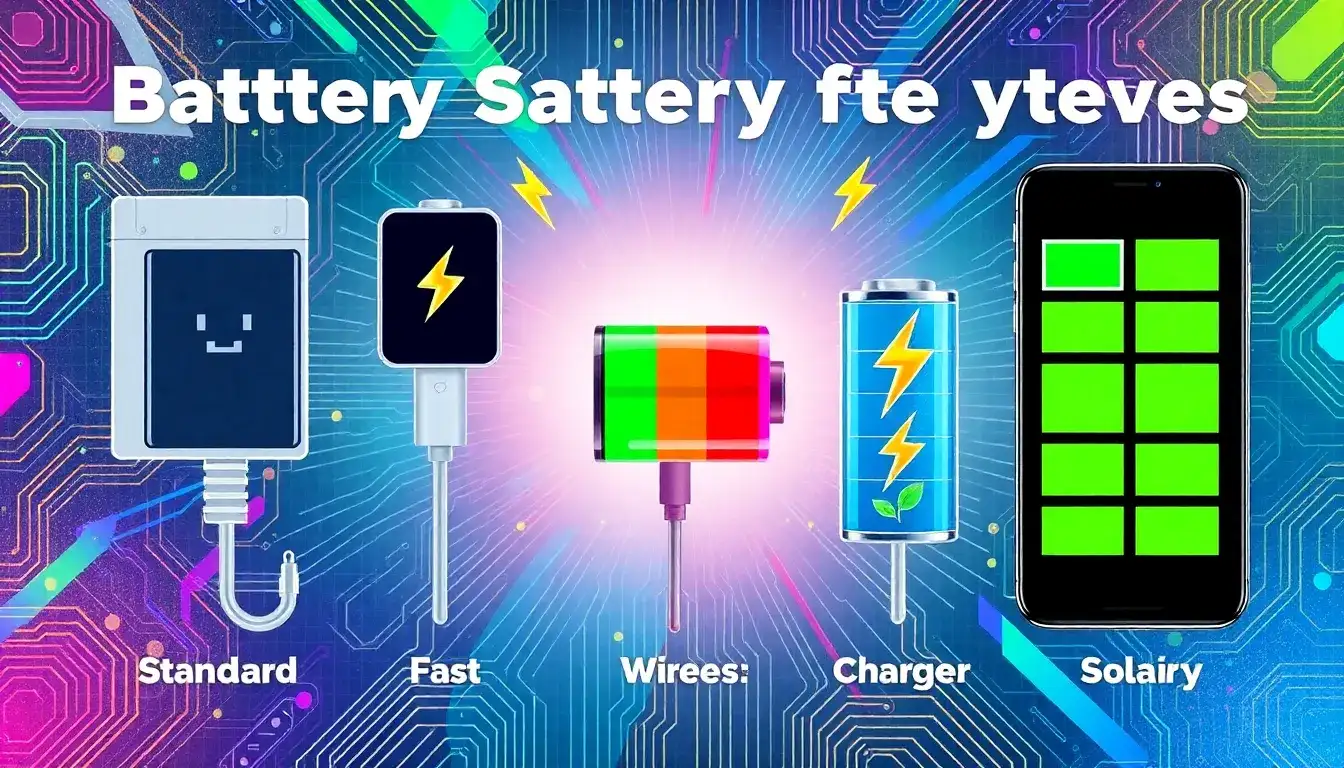
The type of charger can affect battery degradation, but the impact varies depending on the charging rate, battery chemistry, and the battery management system of the device or vehicle.
Effect of Charger Type on Battery Degradation
1. Fast and Rapid Charging (EV Batteries)
- Rapid chargers, especially DC fast chargers, supply high voltage and current that put increased strain on electric vehicle (EV) batteries, potentially accelerating degradation faster than slower AC fast charging. This degradation reduces the battery’s capacity to hold charge over time, leading to shorter driving ranges as the battery ages.
- A study on Nissan Leafs showed that exclusive DC rapid charging increased degradation rates by about 16% compared to AC fast charging. Another study comparing Level 2 (slower) to Level 3 DC fast charging found a slightly higher capacity loss (27% vs. 24.5%) after 50,000 miles for the fast-charged vehicles, but the difference was minimal enough to be not a major concern for most users.
- Research also indicates that charging rates higher than about 1C (one full charge per hour) cause notable degradation. At rates higher than 1.2C and 1.5C, battery capacity loss increased significantly. Extremely high rates (e.g., above 4C) can alter battery chemistry, causing severe damage and life reduction. EV battery management systems often limit charging power to avoid these extremes.
2. Smartphone and Small Battery Devices
- The impact of charger type on smartphone batteries depends heavily on whether the charger matches the device’s original power specifications. Chargers that replicate the original voltage and current are less likely to harm battery life, while defective or cheap chargers can cause electrical stress, high temperatures, and trickle charging, which degrades battery capacity or in extreme cases can lead to hardware failures.
- Modern fast chargers are designed to work within the battery’s tolerance, managing current and voltage in phases (constant current followed by constant voltage) to avoid damage, so they do not significantly harm battery longevity.
Summary
| Charger Type | Effect on Battery Degradation | Notes |
|---|---|---|
| Slow/Level 2 Charger (EV) | Lowest degradation rates, better for long-term battery health | Preferred for regular charging |
| DC Rapid Charger (EV) | Slightly higher degradation (about 2.5%-3% more capacity loss after 50,000 miles) | Acceptable for occasional use; fast charging management is key |
| Ultra-Rapid/High C-rate Charging | Significant degradation, chemical damage with repeated use at very high rates (>1.2C, >4C) | Battery management systems mitigate risk |
| Original-spec Charger (Phones) | Minimal to no degradation if properly matched | Follow manufacturer specs for voltage and current |
| Cheap/Off-brand Chargers (Phones) | Can cause accelerated degradation and safety risks | Should be avoided |
In conclusion, higher charging currents and voltages from rapid and ultra-rapid chargers can increase battery degradation compared to slower chargers, mainly by causing higher temperatures and electrical stress. However, modern battery management systems and charger designs limit these effects to acceptable levels for typical use. Using chargers that closely match device specifications helps preserve battery life and safety.
Original article by NenPower, If reposted, please credit the source: https://nenpower.com/blog/how-does-the-type-of-charger-affect-battery-degradation/

