

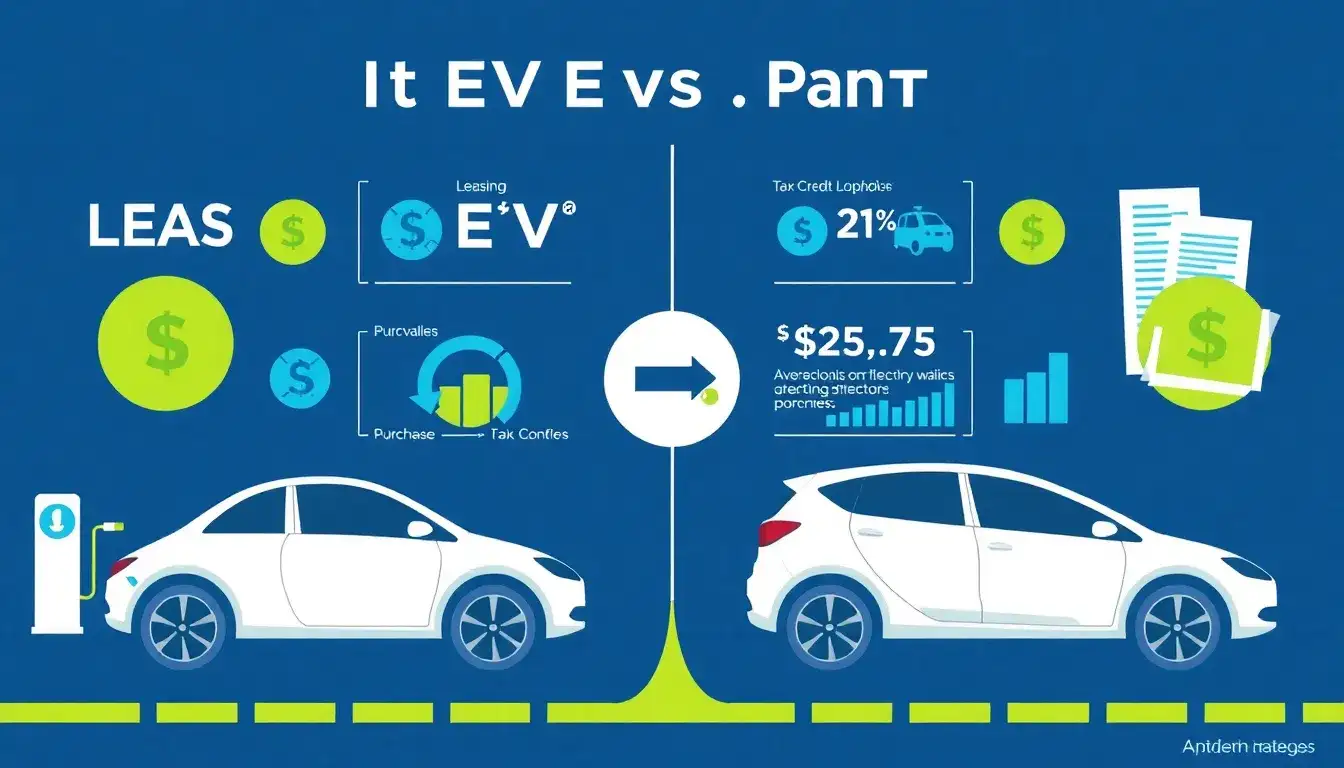
The tax credit loophole for leasing electric vehicles (EVs) can significantly impact the overall cost compared to purchasing one, primarily due to how the tax credits are structured under the Inflation Reduction Act (IRA). Here’s a detailed explanation of the implications for both leasing and purchasing:
Leasing an EV
Advantages:
- Tax Credit Eligibility: When leasing an EV, the tax credit goes to the lessor (typically the leasing agency), who can pass the savings to you as a reduced lease price or rebate. This means that income limits and strict sourcing requirements for batteries do not apply to you as they would if you were purchasing the vehicle.
- Broader EV Selection: You may have access to a wider range of EVs because the leasing loophole allows more vehicles to qualify for the tax credit without meeting the strict battery and sourcing requirements applicable to purchases.
- Flexibility: Leasing allows you to try out different EV models over time, offering the opportunity to upgrade more frequently to newer models with better features.
Disadvantages:
- No Ownership: At the end of the lease, you must return the vehicle or purchase it from the dealer.
- Credit Requirements: To secure favorable lease terms, a strong credit score is often necessary.
Purchasing an EV
Advantages:
- Ownership: Once you’ve paid off the vehicle, you own it outright and can continue using it without further payments.
- Potential Long-term Savings: If you plan to keep the vehicle long-term, it might be cheaper in the long run as there are no ongoing lease payments.
Disadvantages:
- Tax Credit Restrictions: To qualify for the federal tax credit, you and the vehicle must meet specific income and sourcing requirements. If these are not met, you may not be eligible for the full credit or any credit at all.
- Higher Initial Cost: Purchasing typically requires a larger down payment compared to leasing.
Cost Comparison
- Leasing: The cost of leasing an EV can be lower due to the potential for the leasing agency to pass on tax credit savings. However, you don’t own the vehicle and may face mileage limitations and potential wear and tear fees.
- Purchasing: While purchasing involves higher upfront costs and requires meeting tax credit eligibility criteria, it offers long-term ownership and the possibility of retaining the vehicle long after the loan is paid off.
Overall, leasing can be more cost-effective in the short term due to the loophole allowing more vehicles to qualify for tax credits without the buyer’s income affecting eligibility. However, purchasing provides the benefits of vehicle ownership and potential long-term savings.
Original article by NenPower, If reposted, please credit the source: https://nenpower.com/blog/how-does-the-tax-credit-loophole-impact-the-overall-cost-of-leasing-an-ev-compared-to-purchasing-one/

