

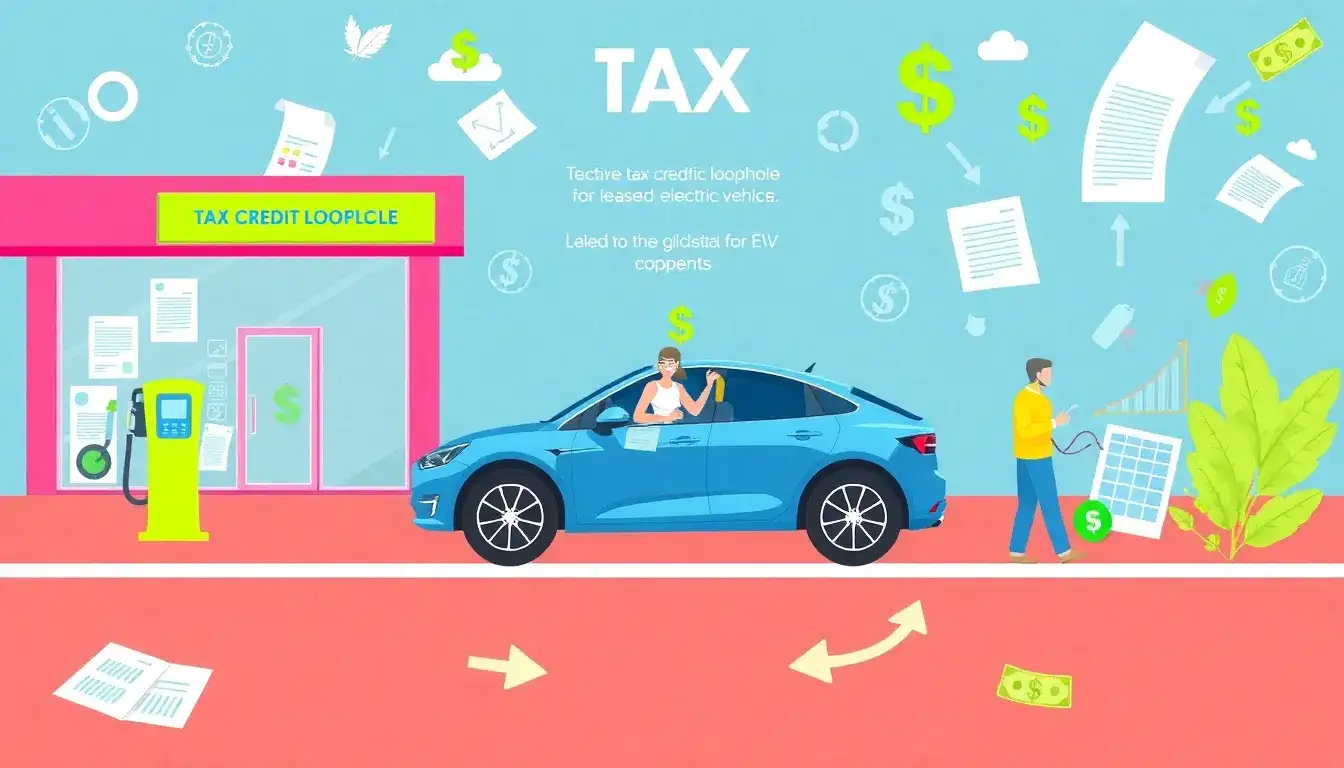
The federal EV tax credit loophole for leased vehicles works through a classification difference in the Inflation Reduction Act (IRA). Here’s the breakdown:
Mechanism of the Loophole
- Commercial Vehicle Classification: Leased EVs are categorized as “commercial vehicles” under the IRA, governed by Section 45W instead of Section 30D (which applies to purchased EVs).
- Fewer Restrictions: Unlike purchased EVs, leased vehicles bypass battery sourcing requirements, assembly location rules (e.g., no North America mandate), and income caps for lessees.
- Credit Allocation: The $7,500 credit goes to the lessor (e.g., the automaker’s financing arm), not the consumer. Dealers may pass savings to lessees via lower lease costs or rebates, though this isn’t guaranteed.
Key Implications
- Broader EV Selection: Leasing allows access to EVs disqualified from purchase credits (e.g., models with foreign batteries or assembly).
- No Income Limits: Lessees face no income restrictions, unlike buyers who must earn below $150k–$300k annually.
- Lease-to-Buy Strategies: Some lessees later purchase the vehicle after leasing, though the credit remains with the original lessor.
This loophole is expected to remain until at least 2025.
Original article by NenPower, If reposted, please credit the source: https://nenpower.com/blog/how-does-the-tax-credit-loophole-for-leased-evs-work/

