

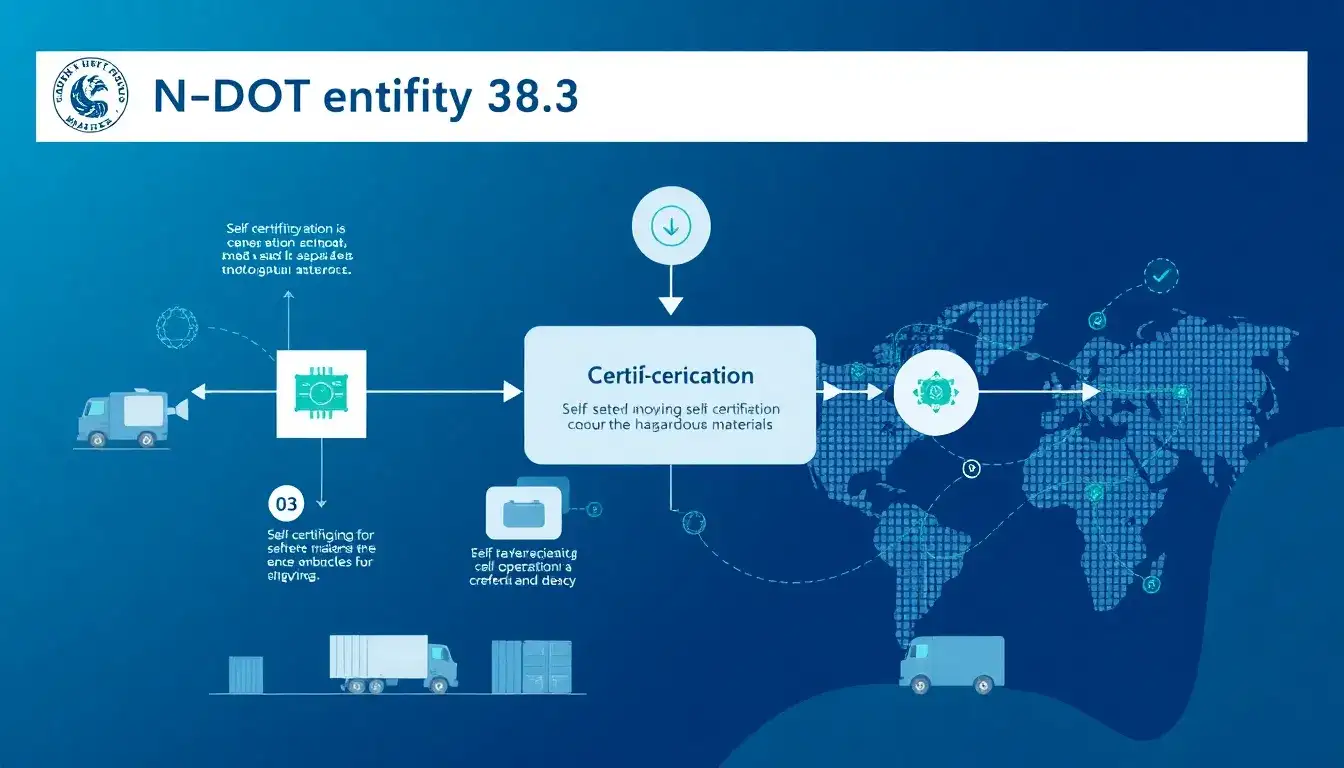
The self-certifying nature of UN/DOT 38.3 permits manufacturers to test and certify their lithium batteries themselves without requiring mandatory third-party testing. This standard includes a series of tests (T1 to T8) aimed at ensuring the safety of lithium batteries during transportation. While the self-certification option offers flexibility, it also introduces several implications regarding effectiveness and liability:
Impact on Effectiveness
- Voluntary Third-Party Testing: Despite being a self-certify standard, many manufacturers opt for third-party testing to mitigate potential liability issues. This choice ensures a higher level of scrutiny and certification, potentially enhancing compliance reliability.
- Compliance Assurance: The use of third-party testing labs, such as MET Labs or TÜV SÜD, can provide more robust assurance of compliance. These labs are often accredited to ISO 17025 standards, ensuring their testing processes adhere to international best practices.
- Regulatory Consistency: The voluntary adoption of third-party testing helps maintain consistency across different products and manufacturers. This consistency is crucial for ensuring that all lithium batteries meet the same safety standards, regardless of who performs the testing.
Potential Drawbacks
- Variable Compliance: Without mandatory third-party oversight, there might be variations in how manufacturers interpret and apply the testing standards. This could lead to inconsistencies in the quality and safety of certified batteries.
- Liability Concerns: The self-certification aspect puts the onus on manufacturers to ensure compliance, which can increase their liability if their products are found to be non-compliant after an incident.
In summary, while the self-certifying nature of UN/DOT 38.3 offers flexibility and cost savings, it can reduce effectiveness in ensuring uniform compliance and safety standards across all manufacturers. The widespread use of third-party testing mitigates some of these risks by providing a higher level of assurance and reducing liability for manufacturers.
Original article by NenPower, If reposted, please credit the source: https://nenpower.com/blog/how-does-the-self-certifying-nature-of-un-dot-38-3-impact-its-effectiveness/

