

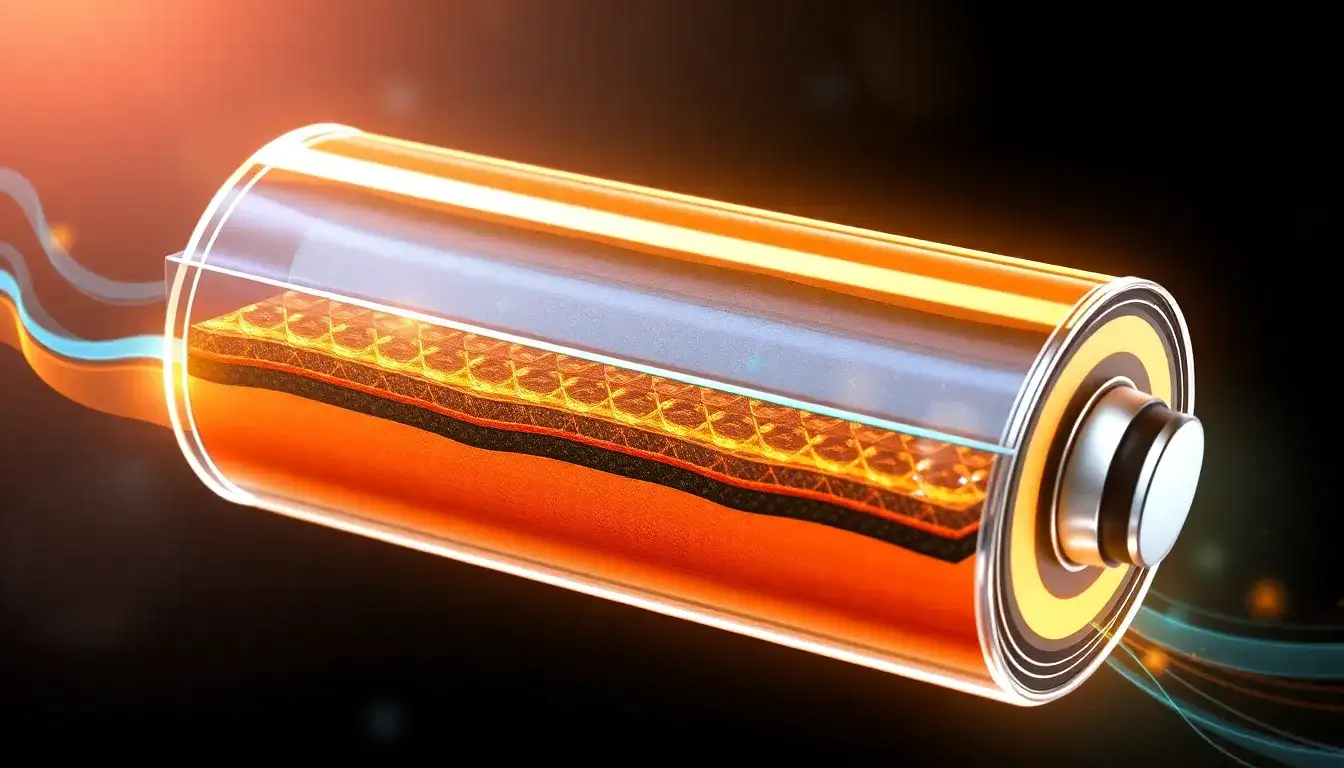
How the SEI Layer Affects the Overall Efficiency of a Lithium-Ion Battery
The Solid Electrolyte Interphase (SEI) layer in lithium-ion batteries plays a crucial role in their efficiency and performance. Here’s a breakdown of how it impacts various aspects of battery functionality:
Formation of the SEI Layer
- Formation Mechanism: The SEI layer forms during the first charge-discharge cycles as a result of the electrochemical reduction of the electrolyte on the anode surface. This process involves the chemical reaction between the electrolyte components and lithium ions, leading to the formation of a thin layer of solids, typically composed of inorganic compounds like LiF, Li2O, Li2CO3, and some organic components like lithium alkyl carbonates.
- Thickness: The SEI layer is usually around 100-120 nm thick and acts as a protective barrier by preventing electrons from passing through while allowing lithium ions to pass freely.
Impact on Battery Performance
- Capacity Fading: The formation and growth of the SEI layer consume some of the active lithium, which leads to irreversible capacity loss and a reduction in the overall charge-discharge efficiency of the battery.
- Resistance and Power Density: As the SEI layer grows, it can increase battery resistance and decrease power density, further affecting the battery’s efficiency.
- Cycling Stability: On the positive side, the SEI layer enhances the cycling stability of the battery by preventing further electrolyte decomposition and thus maintaining the structural integrity of the anode material.
Factors Influencing the SEI Layer
- Electrolyte Composition: Different electrolyte compositions can result in varying SEI structures and stabilities.
- Temperature: High temperatures can destabilize the SEI layer, affecting battery cyclic life.
- Electrode Material: The type of anode material influences the thickness and composition of the SEI layer.
- Formation Conditions: The intensity of the first charge-discharge can affect the SEI’s properties.
Mitigating SEI-Related Issues
- Advanced Coatings: Techniques like Atomic Layer Deposition (ALD) can stabilize or reduce the SEI layer, enhancing battery performance by improving lithium-ion conductivity and reducing impedance.
- Optimized Electrolytes: Designing electrolytes that promote a stable and low-resistance SEI is crucial for improving battery efficiency.
In summary, while the SEI layer is essential for the stability and long-term cycling of lithium-ion batteries, its formation and growth also lead to irreversible capacity losses and increased battery resistance, impacting overall efficiency. Optimizing the SEI’s structure and properties is a key area of research aimed at improving battery performance.
Original article by NenPower, If reposted, please credit the source: https://nenpower.com/blog/how-does-the-sei-layer-affect-the-overall-efficiency-of-a-lithium-ion-battery/

