Comparison of Round-Trip Efficiency: Sodium-Ion vs. Lithium-Ion Batteries
Overview
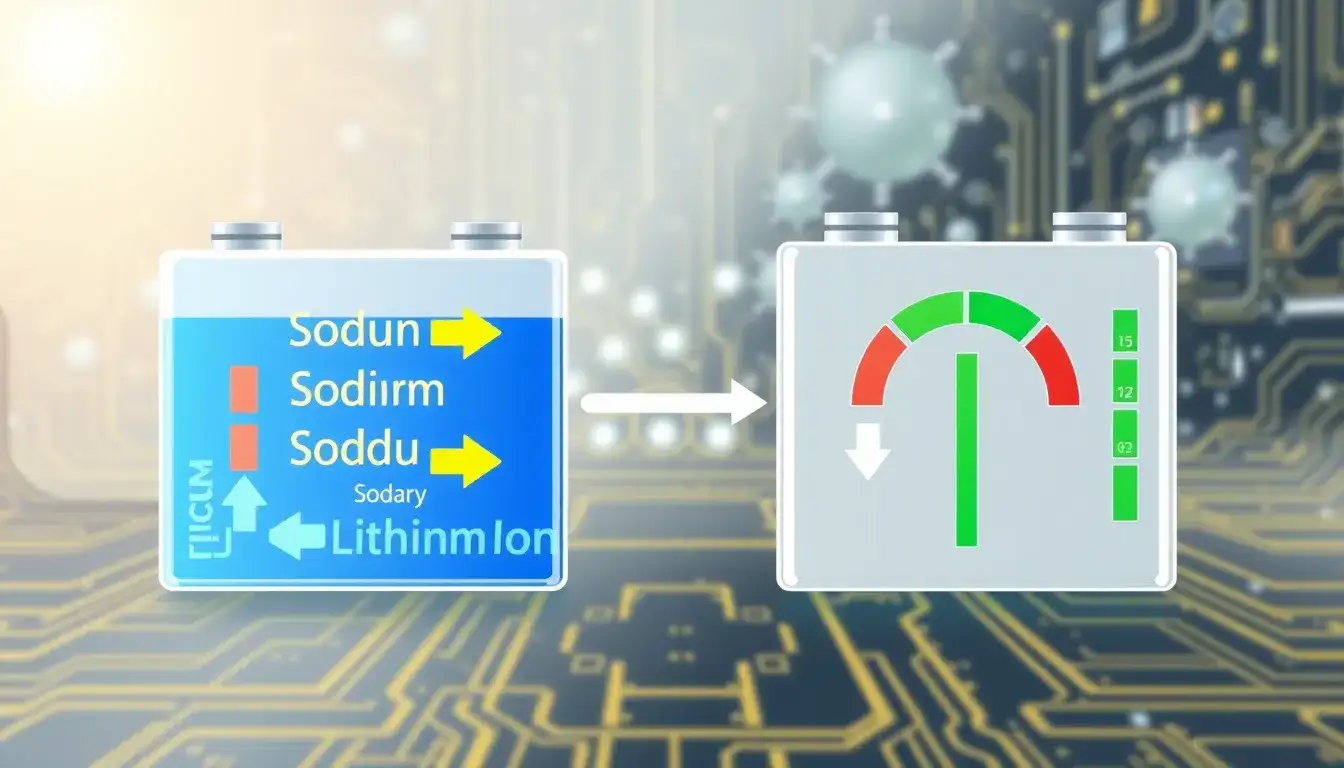
- Lithium-Ion Batteries: These batteries have a high round-trip efficiency, typically ranging between 85% and 96%. This efficiency makes them highly effective for energy storage applications, especially in electronics and electric vehicles.
- Sodium-Ion Batteries: Sodium-ion batteries generally have a lower round-trip efficiency compared to lithium-ion, typically spanning 60% to 85%. However, some specific designs, like those by Faradion, can achieve higher efficiencies up to 92% at certain discharge times.
Key Differences
- Efficiency Range: Lithium-ion batteries consistently offer a higher efficiency range than sodium-ion batteries.
- Design Variability: Sodium-ion batteries are being developed with varying efficiencies, and some newer designs can approach the efficiency levels of lithium-ion.
- Comparison Context: While lithium-ion batteries are widely used and established, sodium-ion batteries are still under development but offer cost and material advantages.
Conclusion
Lithium-ion batteries generally have a higher round-trip efficiency compared to sodium-ion batteries, though specific designs in sodium-ion technology are closing this gap. Sodium-ion batteries offer promising alternatives due to the abundance and cost-effectiveness of sodium, which could make them more competitive in the future as the technology advances.
Original article by NenPower, If reposted, please credit the source: https://nenpower.com/blog/how-does-the-round-trip-efficiency-of-sodium-ion-batteries-compare-to-that-of-lithium-ion-batteries/