

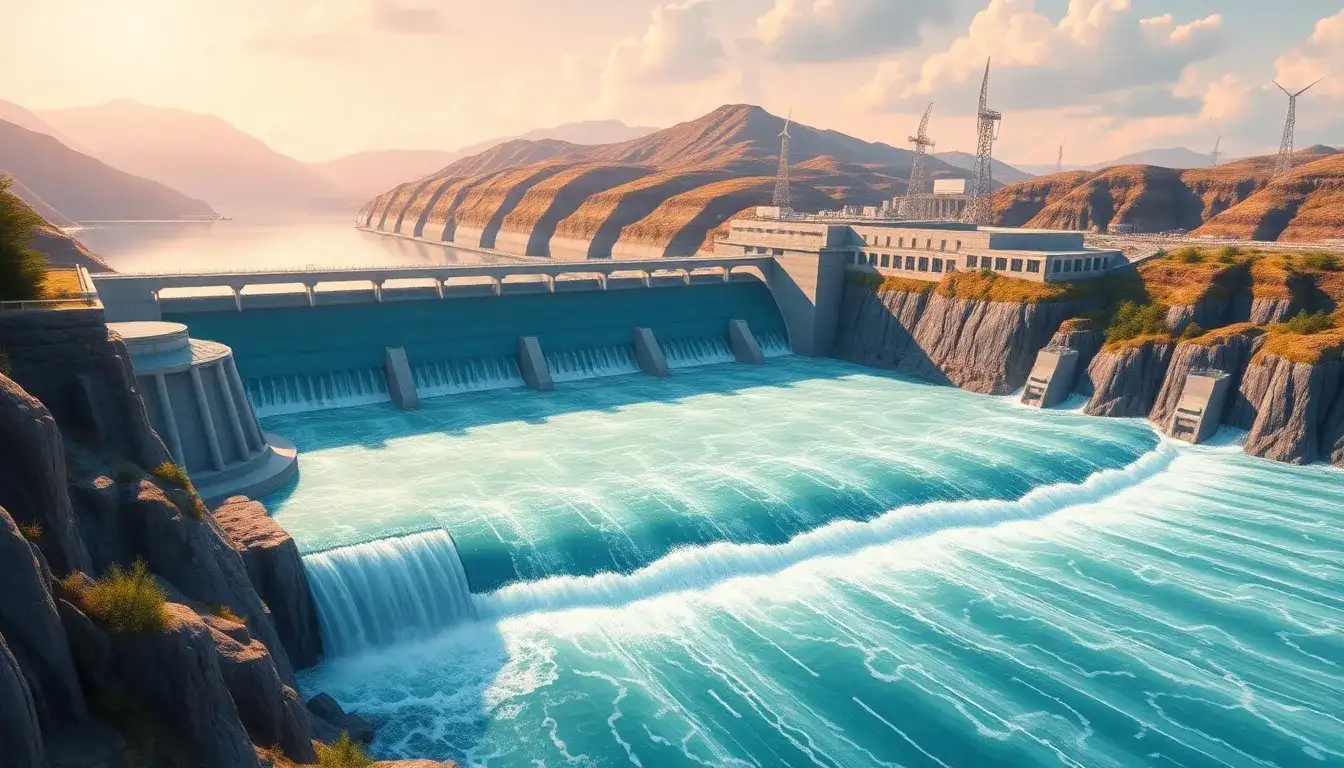
Pumped hydroelectric energy storage (PHS) is widely recognized as a highly reliable energy storage solution compared to other technologies, due to several key factors related to its operation, scale, and grid services.
Reliability of Pumped Hydro Storage
- Proven Large-Scale Reliability: Pumped hydroelectric storage currently represents about 96% of utility-scale energy storage capacity in the United States, totaling over 22 GW. This dominance highlights its established role as a backbone for grid reliability and stability. Its large-scale reservoirs and turbines can deliver electricity on demand, independent of weather conditions, unlike intermittent renewables such as solar or wind.
- Grid Stability and Ancillary Services: PHS provides rapid response to fluctuations in electricity demand, enabling load shifting from low-demand to peak-demand periods. It also offers ancillary services essential to grid stability such as frequency regulation, voltage support, and system resilience. These capabilities enhance overall system-wide efficiency and reliability.
- Operational Flexibility: The mechanism of pumping water uphill during low demand and releasing it to generate electricity during peak demand provides a flexible, dispatchable energy source. This time-shifting ability adds significant value by balancing generation and load, improving grid performance.
Comparison to Other Energy Storage Solutions
| Feature | Pumped Hydro Storage | Other Energy Storage (e.g., Batteries, Compressed Air) |
|---|---|---|
| Maturity and Scale | Very mature; largest share (96%) of utility-scale storage | Emerging technologies; typically smaller scale and shorter duration |
| Reliability and Longevity | Highly reliable; operates with proven long life and consistent output | Batteries degrade over time; reliability varies by chemistry and usage |
| Energy Density | Lower energy density due to physical reservoir | Higher energy density but limited duration and cycling capability |
| Response Time | Fast response suitable for grid ancillary services | Very fast response but sometimes limited by capacity or duration |
| Environmental Impact | Reservoir and dam construction impact ecosystems | Battery manufacturing and disposal have environmental concerns |
| Dependence on Geography | Requires suitable topography for reservoirs | More flexible siting |
Summary
Pumped hydroelectric storage is among the most reliable energy storage technologies available today, especially for large-scale and long-duration storage needs. Its ability to provide consistent, dispatchable power and grid stability services makes it superior in reliability compared to many other storage options, such as batteries, which can face limitations in lifespan and capacity at scale. However, PHS requires specific geographic and environmental conditions to be feasible, which can limit its deployment relative to more modular technologies.
In conclusion, pumped hydroelectric storage stands out as a robust, mature, and reliable solution that plays a crucial role in enhancing the efficiency and reliability of power grids worldwide.
Original article by NenPower, If reposted, please credit the source: https://nenpower.com/blog/how-does-the-reliability-of-pumped-hydroelectric-energy-storage-compare-to-other-energy-storage-solutions/

