

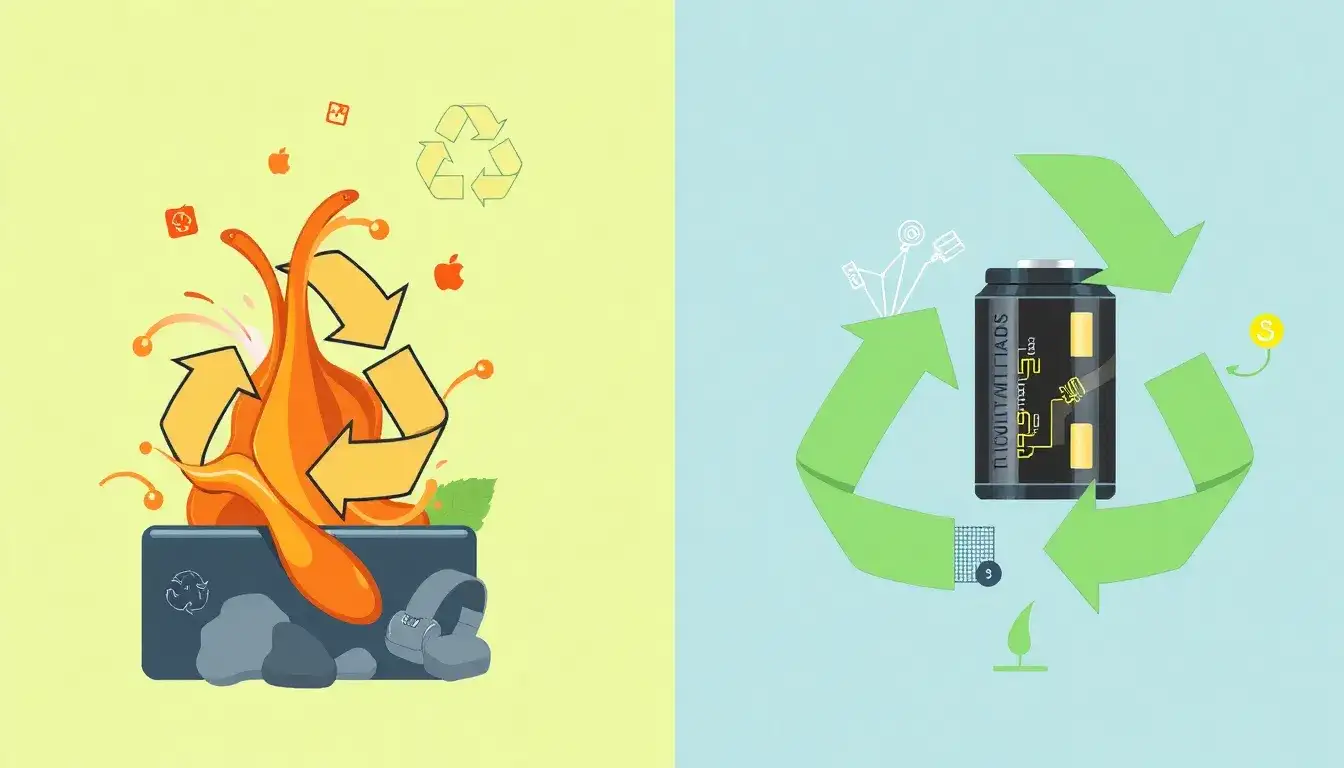
Recyclability Comparison: Iron Flow Batteries vs. Lithium-Ion Batteries
Iron Flow Batteries:
- Easy Recyclability: Iron flow batteries are designed to be highly recyclable and reusable at the end of their life cycle. The electrolytes can be easily recycled, and the core materials (iron, salt, and water) are non-toxic and abundant.
- Long Life and Less Waste: With a design life of up to 25 years, iron flow batteries reduce the need for frequent replacements and minimize waste generation compared to other battery types.
- Environmental Benefits: The use of iron, salt, and water as electrolytes reduces environmental impacts associated with material extraction and end-of-life disposal, making them a cleaner option.
Lithium-Ion Batteries:
- Challenging Recycling Process: Lithium-ion batteries have a complex recycling process due to their mixed materials, which include lithium, cobalt, and nickel. The industry is still developing efficient recycling methods.
- Shorter Life Cycle: Lithium-ion batteries generally have a shorter lifespan of 7 to 10 years for heavily cycled applications, resulting in more frequent replacements than iron flow batteries.
- Higher Environmental Impact: The production and disposal of lithium-ion batteries can have significant environmental impacts, including resource depletion and potential toxic waste generation.
Summary: Iron flow batteries offer superior recyclability and environmental sustainability compared to lithium-ion batteries due to their easier recycling, longer lifespan, and use of more benign materials.
Original article by NenPower, If reposted, please credit the source: https://nenpower.com/blog/how-does-the-recyclability-of-iron-flow-batteries-compare-to-that-of-lithium-ion-batteries/

