

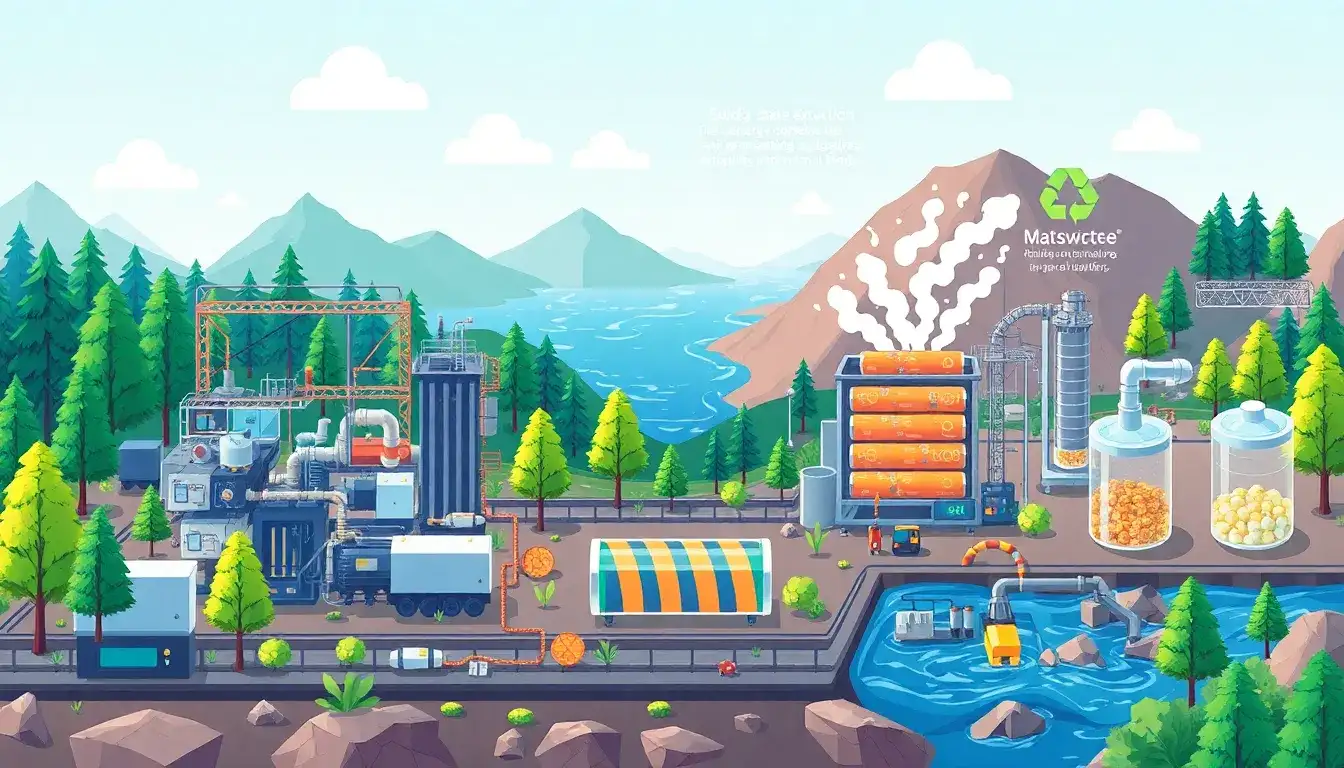
Environmental Impact of Solid-State Battery Production
Positive Aspects
- Energy Efficiency and Sustainability: Solid-state batteries have the potential to be more efficient and may have longer lifetimes compared to traditional lithium-ion batteries, potentially reducing electronic waste. They are also more stable chemically, which could limit environmental hazards during disposal.
- Reduced Risk of Leaks and Fires: Since solid-state batteries use solid electrolytes, they are less likely to experience thermal runaway and fires, reducing the risk of toxic leaks that can harm the environment.
Negative Aspects
- Material Extraction and Processing: The production of solid-state batteries still involves the extraction and processing of metals like lithium and other materials necessary for electrodes and electrolytes. These processes can have significant environmental impacts, such as water pollution and habitat destruction.
- Energy Consumption: The manufacturing process for solid-state batteries can be energy-intensive. For instance, the use of high-temperature processes for certain types of electrolytes and the need for vacuum conditions in some manufacturing steps contribute to increased energy consumption.
- Chemical Use and Waste: Some production methods involve the use of chemicals and solvents that must be carefully managed to prevent environmental contamination. Improper disposal of production waste can also harm ecosystems.
Future Directions
- Hybrid Processes: Solid-state battery manufacturing may adopt hybrid processes that combine elements from conventional lithium-ion battery production and solid oxide fuel cell manufacturing. This could lead to more efficient and environmentally friendly practices as the technology evolves.
- Scalability and Cost: As solid-state battery production scales up, there may be opportunities to reduce costs and environmental impacts through optimized processes and economies of scale. However, achieving large-scale manufacturing while minimizing environmental impact remains a challenge.
In summary, while solid-state batteries offer advantages over traditional batteries in terms of safety and efficiency, their production process still poses environmental challenges related to material sourcing, energy use, and waste management. As technology advances, it is crucial to focus on sustainable manufacturing practices and materials to mitigate these effects.
Original article by NenPower, If reposted, please credit the source: https://nenpower.com/blog/how-does-the-production-process-of-solid-state-batteries-impact-the-environment/

