

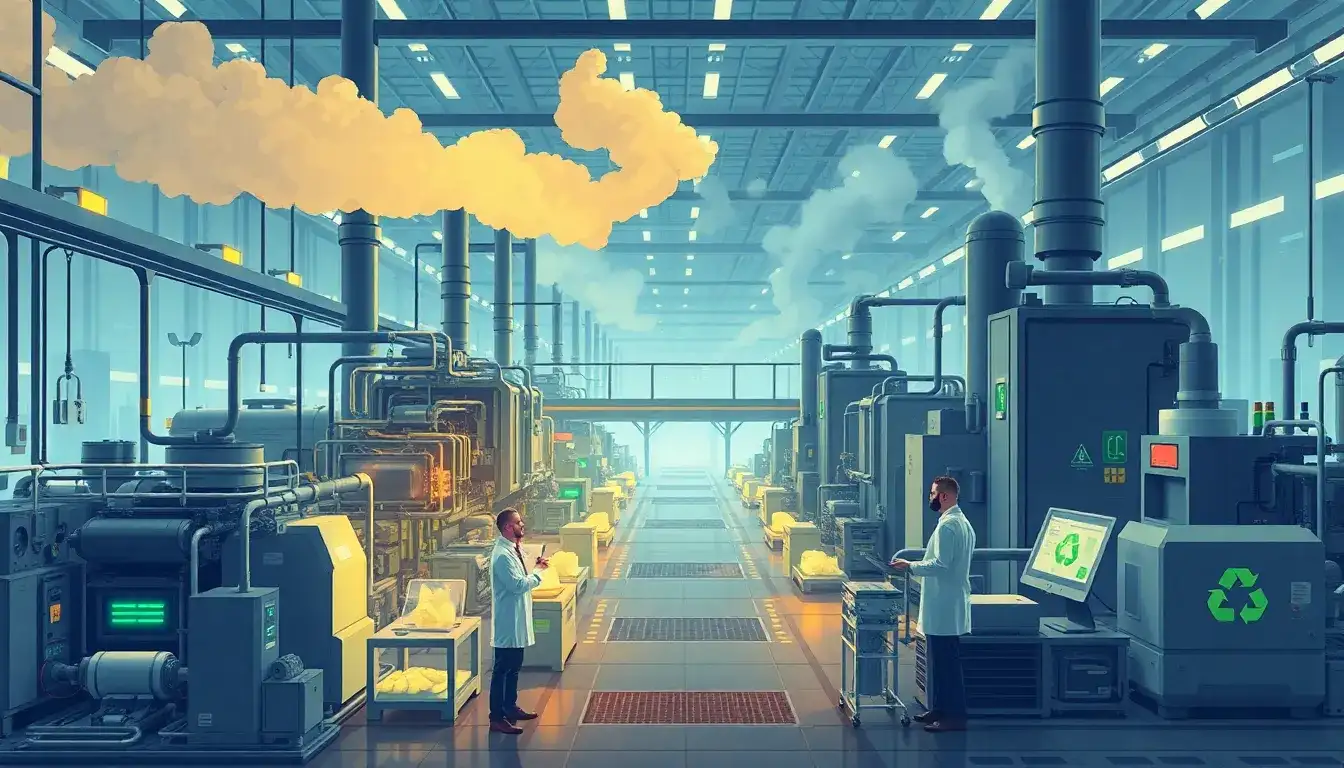
The production process of anode and cathode materials for batteries contributes significantly to greenhouse gas emissions, primarily due to several key factors:
Factors Contributing to Emissions in Anode and Cathode Production
- Energy Mix and Consumption:
- Both anode and cathode production are energy-intensive processes. The thermal treatment steps, particularly in cathode production, require substantial energy inputs. If the energy mix is not predominantly renewable, this leads to significant CO₂ emissions.
- Raw Material Extraction and Processing:
- The extraction and processing of raw materials, such as lithium, nickel, and graphite, have a large carbon footprint. Nickel production, especially, is highly electricity-intensive, contributing significantly to emissions due to its processing in regions like Indonesia and China.
- Water Use and Waste Streams:
- Water consumption is crucial in these processes, often straining local resources, especially in water-scarce regions. Managing waste streams is also challenging, as some are hazardous and require careful disposal, adding to the environmental impact.
- Manufacturing Efficiency:
- Plant efficiencies, including energy use and resource utilization, play a critical role in determining the environmental impact of the materials produced. Improvements in manufacturing processes can help reduce overall emissions.
Mitigation Strategies
To address these challenges, companies are implementing various strategies:
- Decarbonization Goals: Companies aim to reduce emissions through more efficient processes. For example, Ascend Elements targets a 90% reduction in carbon footprint for EV battery materials by 2030.
- New Technologies: Technologies like the one developed by Proterial reduce CO₂ emissions by modifying production processes, such as avoiding certain intermediate steps.
- Renewable Energy Integration: Increasing the use of renewable energy can significantly lower emissions during production.
- Multifaceted Approaches: Implementing a combination of strategies is necessary to meaningfully reduce emissions, as no single method is sufficient.
Comparison of Emissions Across Different Materials
- Cathode Materials: Nickel-based cathodes (e.g., NMC and NCA) have higher emissions compared to alternatives like lithium iron phosphate (LFP), which has lower GHG emissions due to less reliance on intensive materials.
- Anode Materials: While often less discussed than cathodes, anode production also requires careful consideration of emissions and resource management.
Overall, while both anode and cathode production contribute to emissions, advancements in technology and sustainable practices are crucial for reducing their environmental impact.
Original article by NenPower, If reposted, please credit the source: https://nenpower.com/blog/how-does-the-production-process-of-anode-and-cathode-materials-contribute-to-emissions/

