

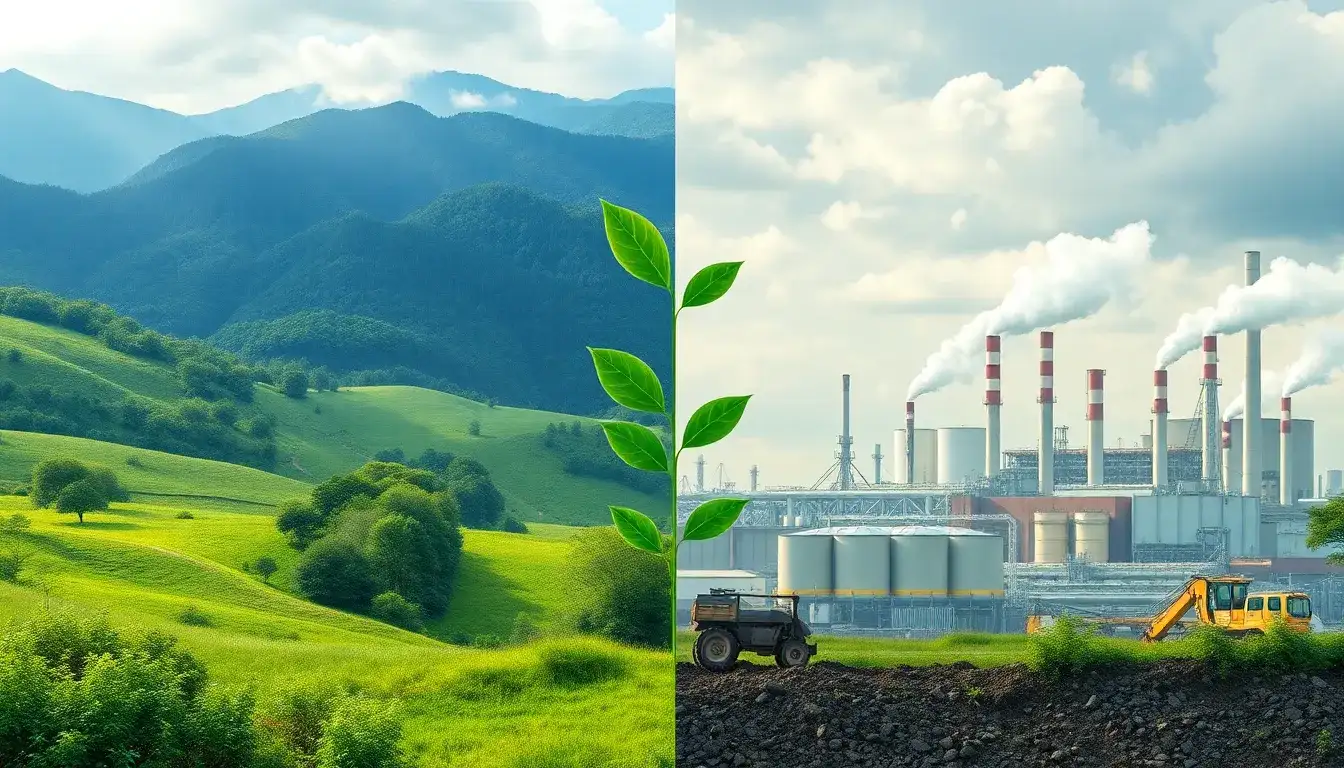
The production of EV batteries has significant environmental impacts that can offset some of the overall environmental benefits of electric vehicles (EVs). Here are the key factors to consider:
Environmental Impact of EV Battery Production
- Mining and Processing: The extraction of lithium, cobalt, nickel, manganese, and graphite for EV batteries involves processes that emit large amounts of greenhouse gases, pollute water bodies, and contribute to deforestation and habitat destruction. For instance, lithium mining in Chile’s Atacama Desert uses substantial amounts of water and chemicals, harming local ecosystems.
- Water Usage: Lithium mining is particularly water-intensive, with operations in Chile using 65% of the region’s water, affecting wildlife and crops.
- Energy Use and Carbon Emissions: The manufacture of EV batteries requires considerable energy, often sourced from fossil fuels, which increases their carbon footprint significantly. In China, where much of the world’s EV batteries are made, coal provides nearly 60% of the electricity, exacerbating emissions.
- Comparative Carbon Footprint: Producing an EV emits more than twice the carbon dioxide of making a conventional internal combustion engine (ICE) vehicle, largely due to battery production. However, EVs offer significant long-term emissions savings during operation if powered by clean energy.
- Transportation and Waste Management: The transportation of battery materials and eventual battery disposal pose additional environmental concerns.
Balancing Environmental Benefits
While EV battery production involves substantial environmental costs, EVs can still reduce greenhouse gas emissions and air pollution in operation if powered by renewable energy sources. As renewable energy becomes more prevalent in the grid and manufacturing, the lifecycle emissions of EVs will decrease. Efforts to decarbonize battery production through the use of cleaner energy and more sustainable materials are crucial for realizing the full environmental benefits of EVs.
Original article by NenPower, If reposted, please credit the source: https://nenpower.com/blog/how-does-the-production-of-ev-batteries-impact-the-overall-environmental-benefits-of-evs/

