

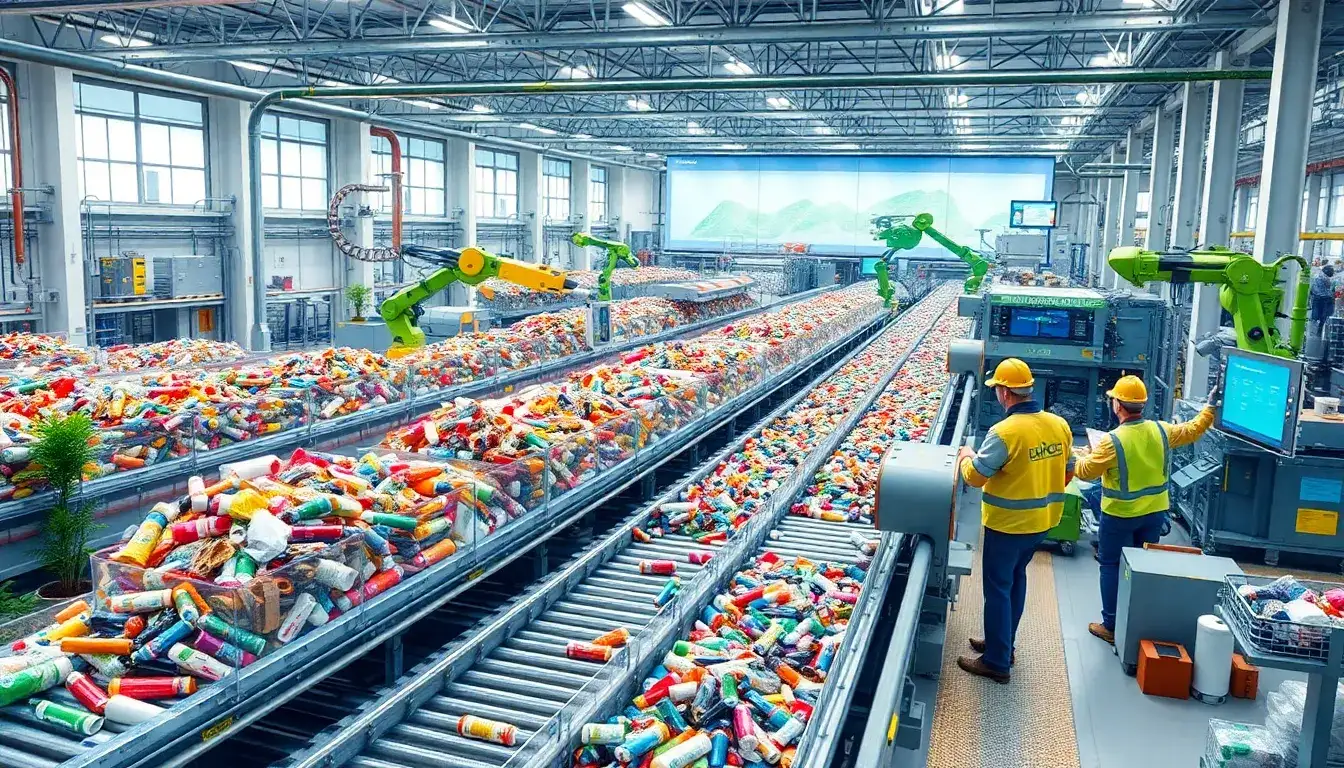
The new automated recycling line from SolarPanelRecycling.com (SPR) is designed specifically for bifacial solar panels, addressing inefficiencies in existing monofacial recycling processes, particularly in glass recovery rates and manual labor. Here’s how it works:
Key Features of the Recycling Line:
- Clean Glass Separation: The line is capable of achieving clean glass separation of bifacial modules at recovery rates of 99% or higher. This is a significant improvement over traditional methods that often commingle materials, resulting in lower recovery rates.
- Component Separation: Unlike partial recyclers that shred whole panels, SPR’s process ensures the clean separation of all components. This includes materials like glass, silicon, metals, and plastics, allowing them to be reused and re-enter the manufacturing supply chain.
- Circular Economy Support: By ensuring that all materials are cleanly separated and reusable, the line supports a circular economy. This approach minimizes waste and environmental impact by returning valuable materials to the supply chain.
- Automated Process: The new line is automated, which reduces reliance on manual labor and increases efficiency compared to older methods.
Technology and Impact:
- First-of-its-Kind Technology: SPR’s new line is the first in the United States dedicated to bifacial solar panel recycling. It marks a significant milestone in solar panel recycling technology and represents a major step forward in sustainability for the solar industry.
- Market Relevance: With bifacial modules expected to dominate more than 70% of the global market by 2033, SPR’s technology positions the company as a leader in meeting the growing demand for efficient bifacial recycling services.
Overall, the new automated recycling line from SPR represents a significant advancement in solar panel recycling technology, offering a more efficient and sustainable solution for the industry’s evolving needs.
Original article by NenPower, If reposted, please credit the source: https://nenpower.com/blog/how-does-the-new-automated-recycling-line-from-spr-work/

