Main Differences in Maintenance
1. Complexity of Components
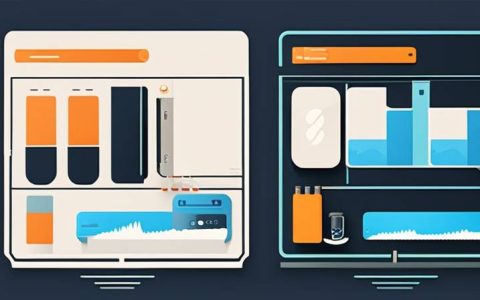
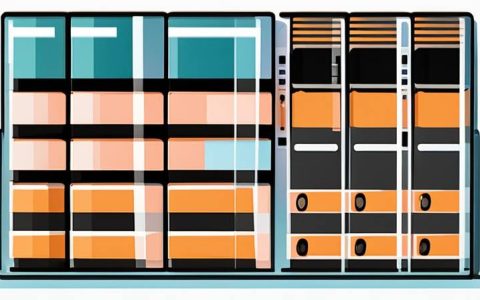
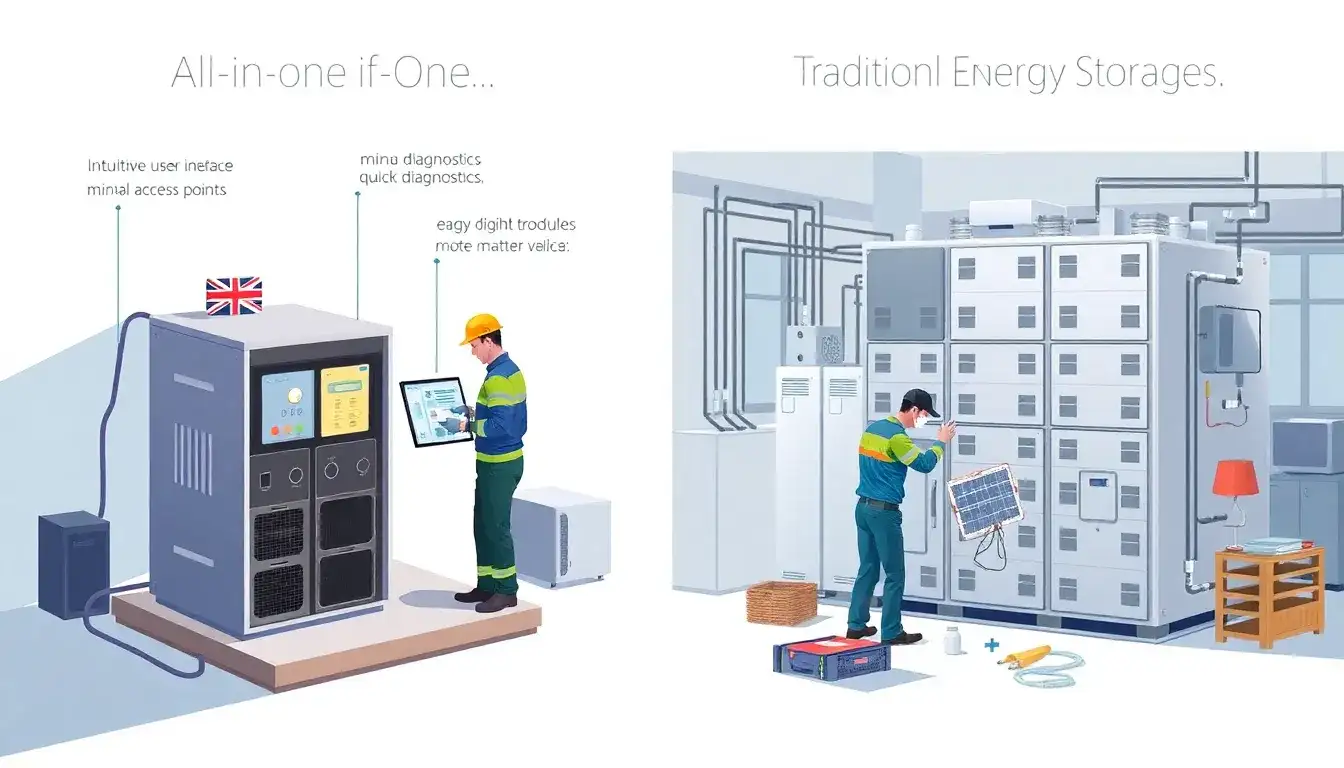
- All-in-One Systems: These systems integrate multiple components like batteries, inverters, and controllers into a single unit, reducing the complexity of maintenance. They are designed to be plug-and-play, with fewer separate parts to check and maintain.
- Traditional Systems: Traditional setups consist of separate components that require individual maintenance and monitoring, which can be more labor-intensive and require a higher level of technical expertise.
2. Frequency and Ease of Maintenance
- All-in-One Systems: Due to their integrated design, all-in-one systems generally require less frequent maintenance and are easier to manage. Users can often monitor and manage the system through user-friendly apps or dashboards.
- Traditional Systems: These systems require more frequent maintenance checks to ensure each component is functioning correctly, which can be time-consuming and costly.
3. Environmental and Safety Considerations
- All-in-One Systems: While both systems require a clean and well-ventilated environment, all-in-one systems might have less exposed wiring and components, potentially reducing risks associated with dust and electrical faults.
- Traditional Systems: Traditional setups expose more components, making them more susceptible to environmental factors like dust and humidity, which can compromise performance and safety.
4. Software Updates and Management
- All-in-One Systems: Software updates are typically streamlined in all-in-one systems, with less complexity due to the integrated nature. However, updates must still be performed regularly to ensure optimal performance and security.
- Traditional Systems: These systems may require more effort to update software across multiple components, but this also allows for more customization and control over individual system parts.
5. Cost and Efficiency
- All-in-One Systems: Although the upfront cost might be higher, the long-term cost-effectiveness of all-in-one systems can be greater due to reduced installation and maintenance costs. They also tend to be more energy-efficient because of their integrated design.
- Traditional Systems: Initial setup costs can be lower for traditional systems, but they may incur higher ongoing maintenance costs and have lower efficiency due to energy loss across separate components.
Conclusion
In summary, all-in-one energy storage systems offer a more streamlined and less complex maintenance experience compared to traditional systems. However, both require regular inspections, software updates, and environmental control to optimize performance and ensure safety.
All-in-One Systems are ideal for those seeking ease of use and minimal maintenance, while Traditional Systems might be preferred by those who value customization and control over individual components.
Overall, the choice between these systems depends on specific needs, such as space constraints, technical expertise, and long-term efficiency goals.
Original article by NenPower, If reposted, please credit the source: https://nenpower.com/blog/how-does-the-maintenance-process-differ-between-all-in-one-and-traditional-energy-storage-systems/