

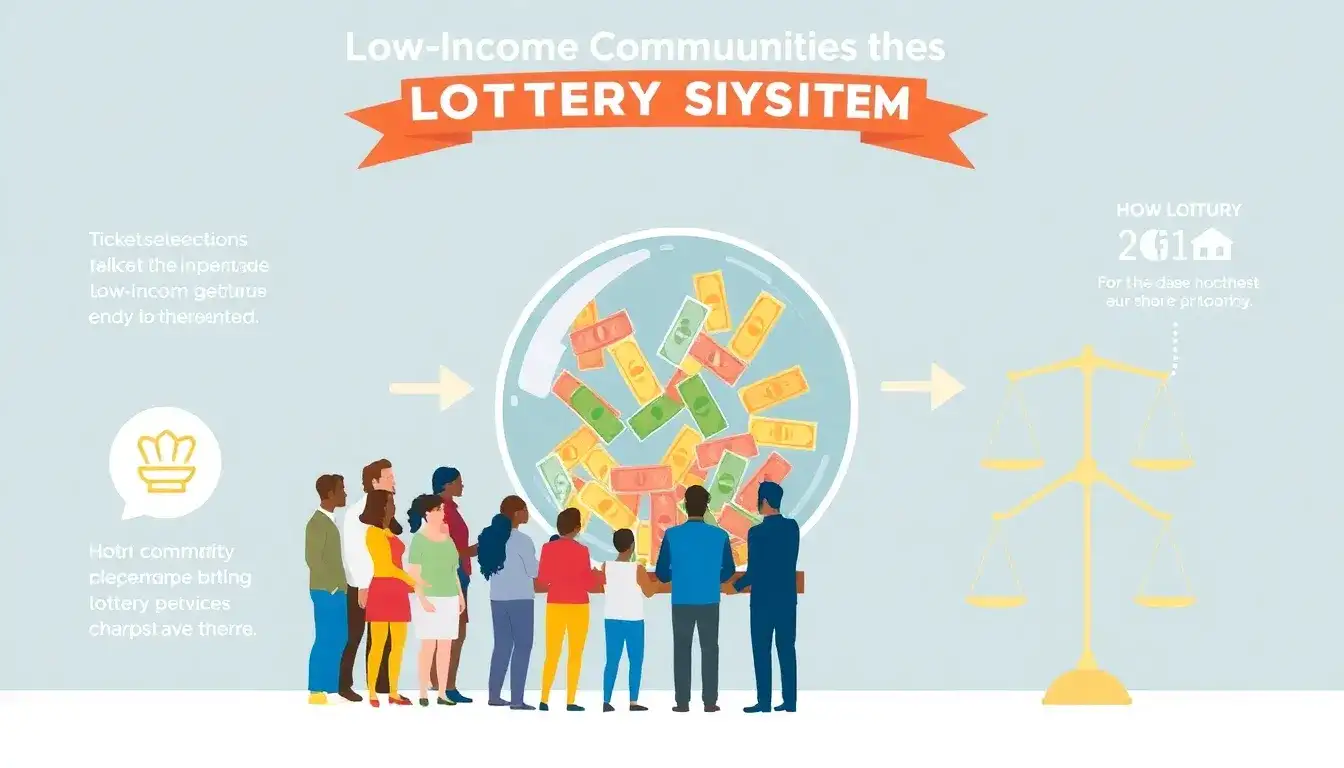
The lottery system for the Low-Income Communities Bonus Credit Program is utilized when the number of applications in a particular category exceeds the available capacity during the initial 30-day application window. Here’s how it works:
- Initial Application Period: All applications submitted within the first 30 days are treated as if they were received simultaneously. If the category is oversubscribed, a lottery is held to determine which projects will receive the bonus credits.
- Prioritization: Before the lottery, applications that meet the Additional Selection Criteria receive priority. These criteria include specific ownership and geographic requirements, such as being located in a Persistent Poverty County or a disadvantaged census tract.
- Lottery Process: After prioritizing applications based on the Additional Selection Criteria, a lottery is conducted among the remaining eligible applications to determine the recipients of the bonus credits.
- First-Come, First-Served Basis Post-Lottery: After the initial 30-day period, any remaining capacity is allocated on a first-come, first-served basis. If a category has unused capacity, it can be reallocated to other categories with higher demand.
- Documentation and Review: The Department of Energy (DOE) reviews applications and makes recommendations to the IRS, which then awards or rejects the applications based on these recommendations.
Original article by NenPower, If reposted, please credit the source: https://nenpower.com/blog/how-does-the-lottery-system-work-for-the-low-income-communities-bonus-credit-program/

