

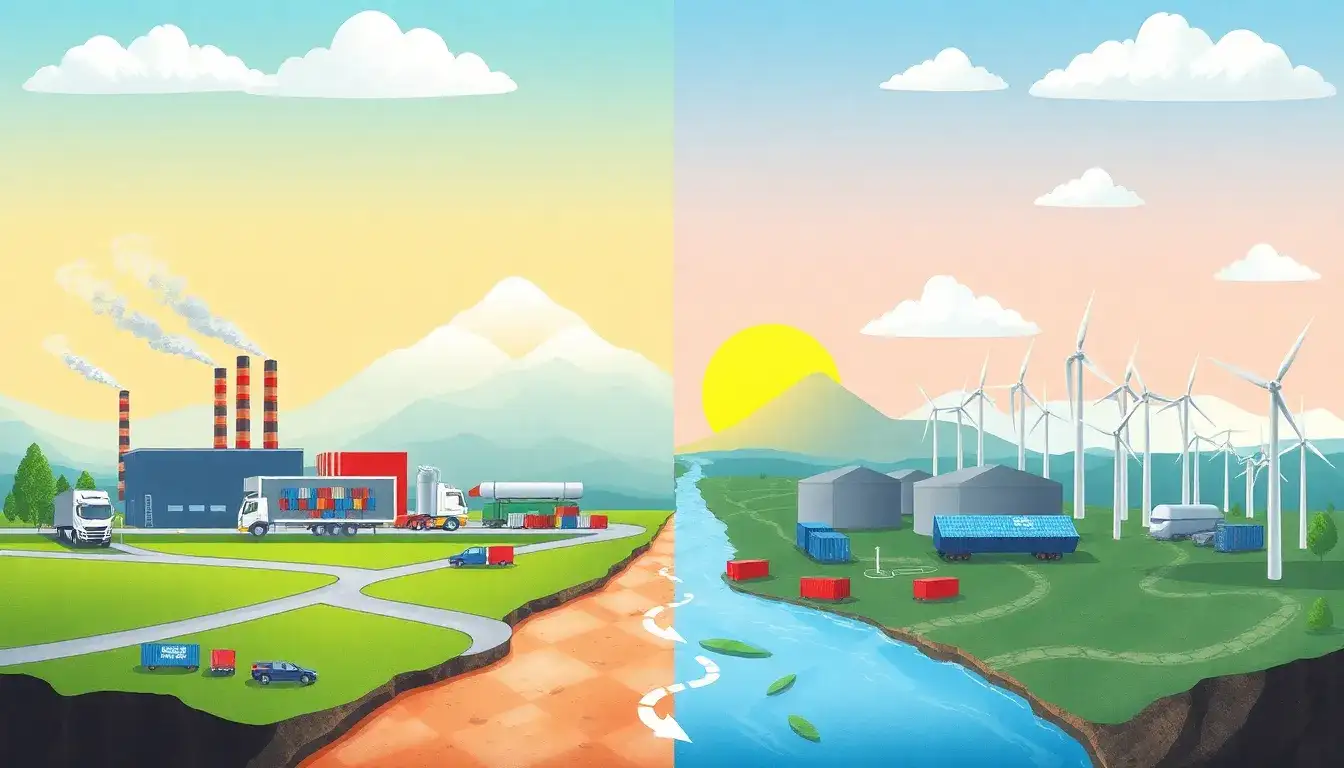
The location of battery production can significantly impact the emissions associated with electric vehicles (EVs). Here are the key factors to consider:
Energy Sources Used in Production
- Fossil Fuels vs. Renewables: The energy source used during battery manufacturing plays a crucial role. For instance, in China, coal is a primary energy source, which results in higher emissions compared to natural gas or renewable energies like solar and wind power.
- Variability in Emissions: Using renewable energy can reduce carbon emissions in battery production. For example, producers using renewable electricity have a significantly smaller carbon footprint than those using fossil fuels.
Regional Differences in Production
- Europe vs. Asia: Battery production emissions can vary significantly based on location. For example, when manufacturing takes place in regions with cleaner energy mixes, such as parts of Europe, the carbon footprint is generally lower compared to regions like China, where coal dominates.
- Specific Locations: Poland and Hungary are major battery producers in Europe, which might offer cleaner production processes due to more stringent environmental regulations.
Material Sourcing and Transportation
- Mining and Extraction: The environmental impact of mining critical materials like lithium, cobalt, and nickel also varies by location. Regions with more stringent environmental regulations can have lower emissions during extraction.
- Supply Chain Efficiency: The efficiency of supply chains, including transportation of materials, can influence emissions. Proximity to raw material sources can reduce the carbon footprint associated with transportation.
Comparison of Battery Production Emissions
- The CO2 emissions per kWh of battery production can range widely, from about 56 kg CO2e/kWh in the European Union to significantly higher amounts in regions relying heavily on fossil fuels.
- The energy-intensive processes involved in producing battery components, such as heating materials to high temperatures, contribute to these emissions, and using cleaner energy sources can reduce this impact.
In summary, the location of battery production significantly affects EV emissions due to differences in energy sources, regional environmental regulations, and the efficiency of supply chains.
Original article by NenPower, If reposted, please credit the source: https://nenpower.com/blog/how-does-the-location-of-battery-production-affect-ev-emissions/

