

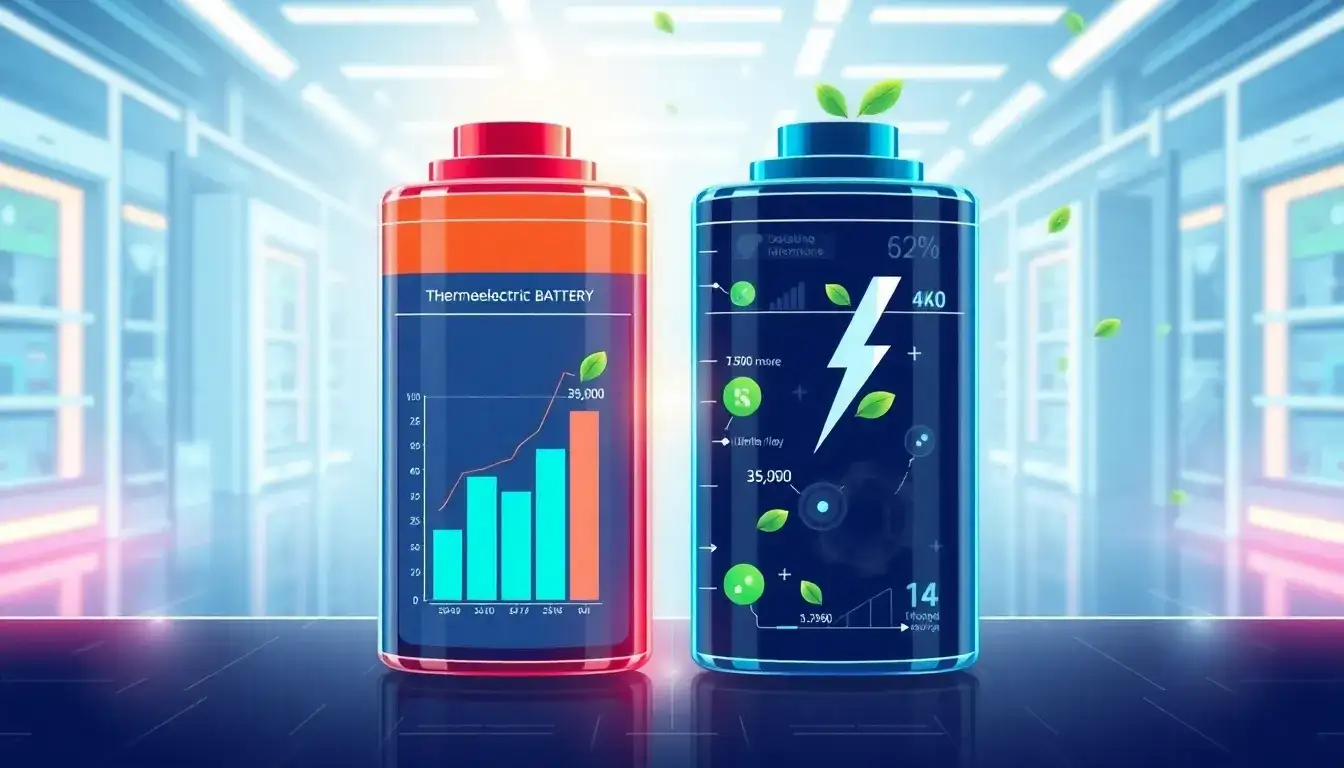
Lifespan Comparison Between Thermal Batteries and Lithium-Ion Batteries
Thermal Batteries
- Longevity: Thermal batteries, especially those used for thermal energy storage, can last for 25 to 30 years. Some thermal batteries, like those in defense applications (e.g., molten-salt batteries), have a shelf life of up to 50 years if not activated.
- Nature: They store thermal energy, not electrical energy, making them suitable for applications like heating and cooling systems rather than electronic devices.
- Maintenance: Generally, thermal batteries require low maintenance and do not deteriorate over time, reducing long-term costs.
Lithium-Ion Batteries
- Longevity: Lithium-ion batteries typically have a lifespan of about 8 years on average, although this can vary depending on usage and environmental conditions.
- Nature: They store electrical energy and are widely used in portable electronics, electric vehicles, and renewable energy systems.
- Maintenance: They require careful handling and condition management to prolong their lifespan, as factors like temperature, depth of discharge, and charging cycles affect their durability.
Summary
Thermal batteries generally outlast lithium-ion batteries due to their nature of storing thermal energy, which does not degrade in the same way as electrical components. Their lifespan and low maintenance make them attractive for long-term thermal energy applications. In contrast, lithium-ion batteries are versatile and widely used in various applications but have a shorter lifespan and require more maintenance to ensure optimal performance.
| Battery Type | Lifespan | Nature of Energy | Maintenance Needs |
|---|---|---|---|
| Thermal Battery | 25-30 years | Thermal Energy | Low |
| Lithium-Ion Battery | 8 years | Electrical Energy | Moderate |
Original article by NenPower, If reposted, please credit the source: https://nenpower.com/blog/how-does-the-lifespan-of-thermal-batteries-compare-to-lithium-ion-batteries/

