

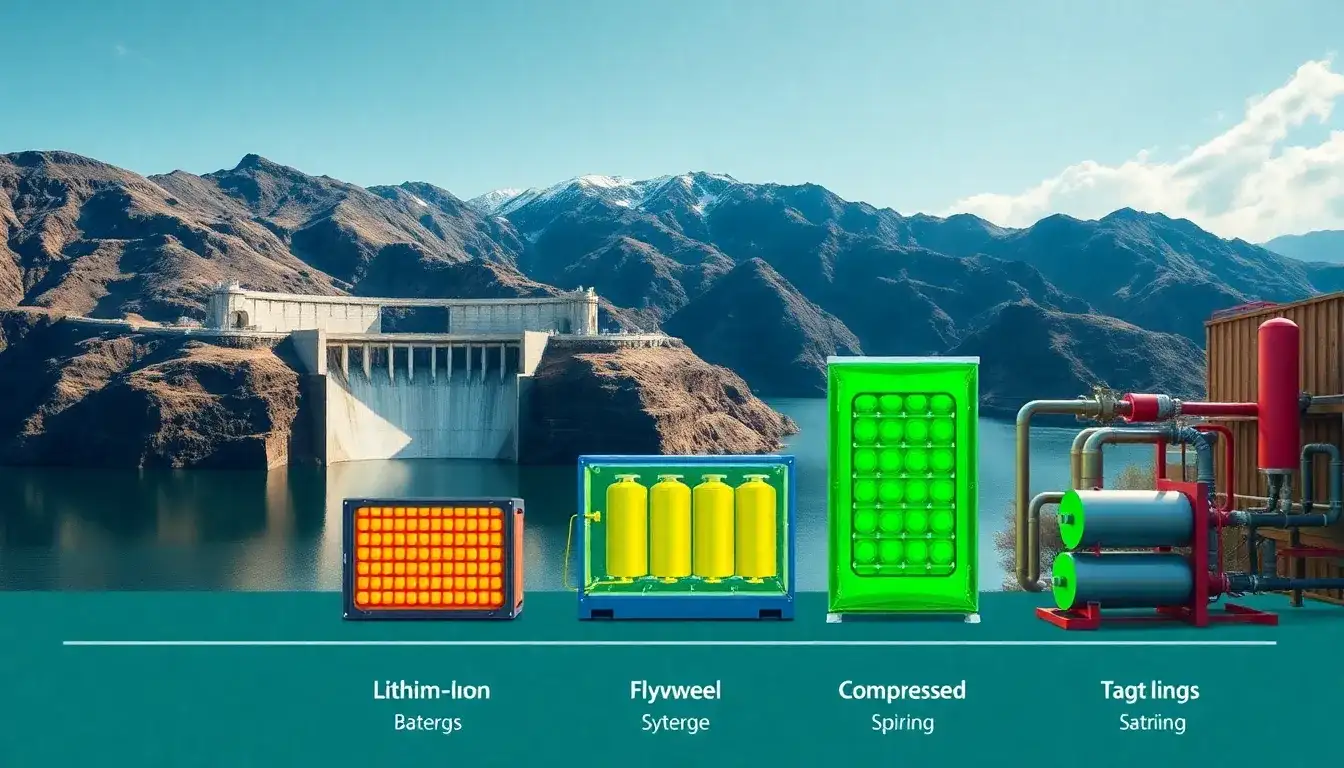
The lifespan of pumped hydro storage (PHS) facilities is significantly longer compared to other energy storage methods. Here’s how it compares:
Lifespan Comparison
- Pumped Hydro Storage (PHS): PHS systems have an expected lifespan ranging from 50 to over 100 years. Some facilities have operated for more than a century, such as the Engeweiher plant in Switzerland, which has been operational for 116 years and is projected to continue for at least another 29 years.
- Lithium-ion Batteries: Lithium-ion batteries typically have a lifespan of 8 to 15 years depending on the usage and technology. They require more frequent replacements and have higher maintenance costs compared to PHS.
- Compressed Air Energy Storage (CAES): CAES systems have lifetimes similar to PHS, potentially lasting several decades. However, they are less common and have different operational considerations.
Key Differences
- Longevity: PHS is known for its long operational life, reducing overall costs when amortized over time.
- Efficiency: PHS offers a round-trip efficiency of about 75-80%, which is competitive with other long-duration storage technologies.
- Environmental Impact: PHS uses water and does not require rare materials like lithium-ion batteries, making it a more environmentally friendly option.
Overall, while PHS has a high upfront cost, its long lifespan and efficiency make it a cost-effective option for grid-scale energy storage over time.
Original article by NenPower, If reposted, please credit the source: https://nenpower.com/blog/how-does-the-lifespan-of-pumped-hydro-storage-compare-to-other-energy-storage-methods/

