

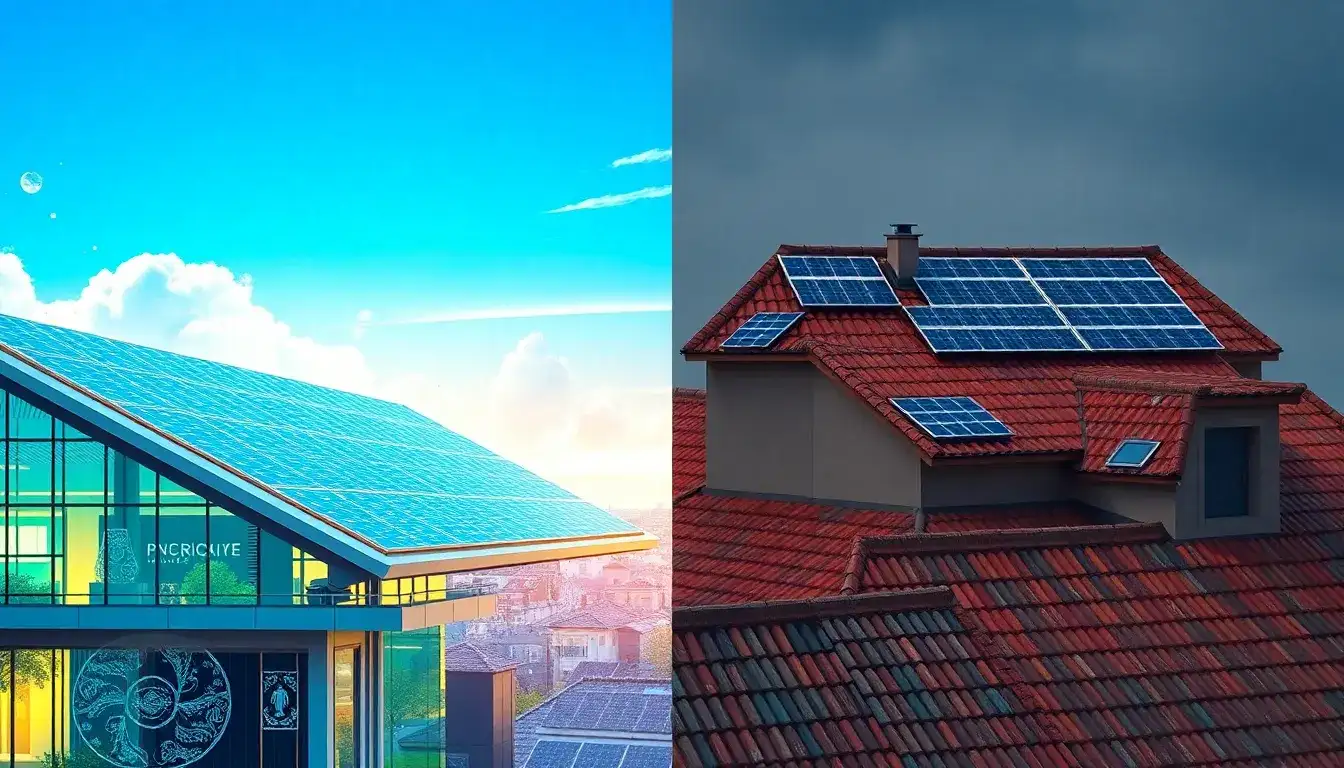
Lifespan Comparison: Perovskite Solar Panels vs. Silicon-Based Solar Panels
Current Lifespan:
- Silicon-Based Solar Panels: These panels typically have a lifespan of about 25 to 30 years. They are known for their durability and stability, making them a reliable choice for long-term energy production.
- Perovskite Solar Panels: Traditionally, perovskite solar cells have had a relatively short lifespan due to stability issues, such as degradation caused by humidity, temperature, and light exposure. However, recent advancements have aimed to extend their lifetime. Some studies have achieved lifetimes of about 30 years for specific perovskite cells, but this is still an emerging area of research. Generally, perovskites still face challenges in matching the longevity of silicon solar cells.
Recent Advancements:
- Researchers are exploring innovative materials and encapsulation techniques to enhance the durability of perovskite solar cells. For instance, using alumina nanoparticles has shown promise in suppressing degradation processes, potentially extending their lifespan tenfold. Additionally, protective coatings have been used to improve stability, effectively tripling the lifespan in some cases.
- Hybrid solutions combining perovskite with silicon (tandem cells) are also being developed. These systems aim to leverage the high efficiency of perovskites while benefiting from the durability of silicon, potentially offering the best of both worlds.
In summary, while perovskite solar cells are becoming more efficient and cost-effective, their lifespan remains shorter compared to traditional silicon solar panels. However, ongoing research and development are addressing these durability issues, making perovskites a promising alternative for the future.
Original article by NenPower, If reposted, please credit the source: https://nenpower.com/blog/how-does-the-lifespan-of-perovskite-solar-panels-compare-to-silicon-based-ones/

