

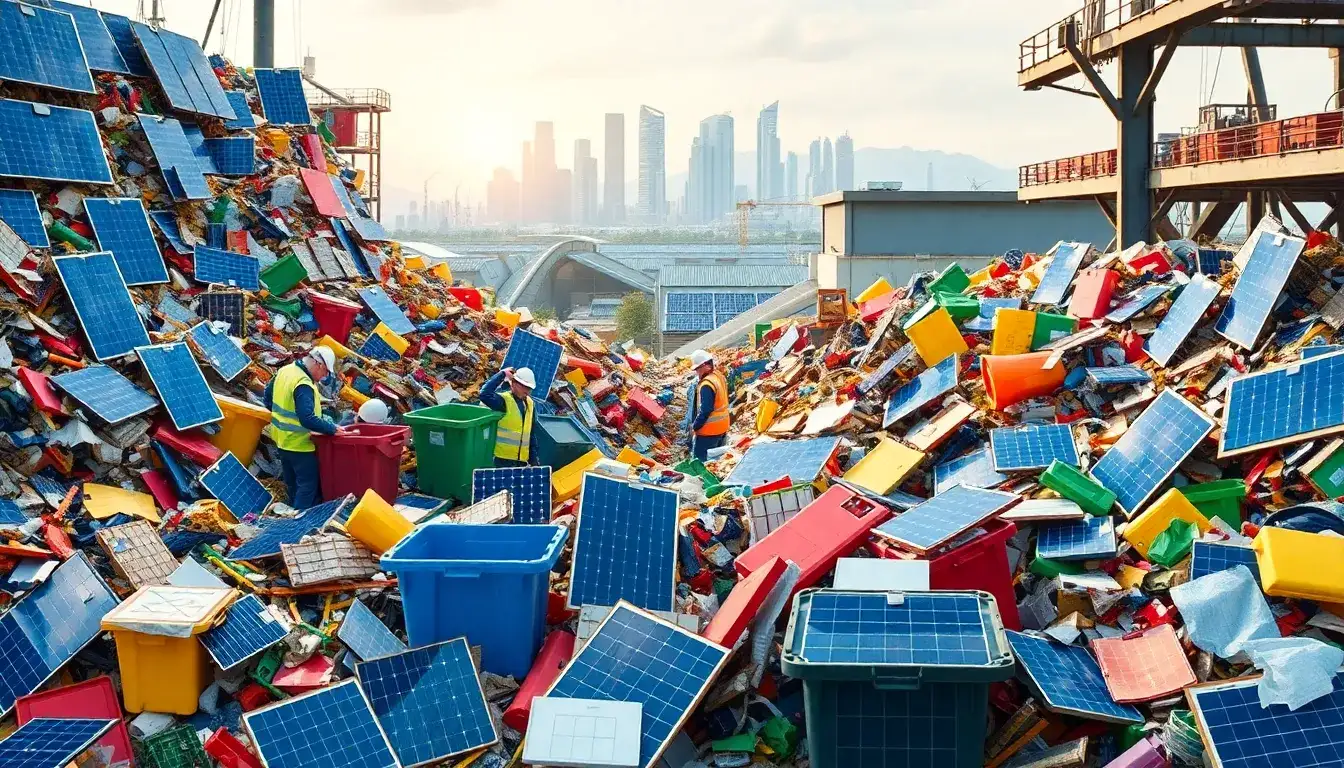
The lack of standardization in solar panel composition poses significant challenges for recycling efforts. Here’s how it affects these endeavors:
Impact of Non-Standardization on Recycling
- Material Variability: Solar panels are made from a variety of materials, including silicon, metal, glass, and plastics like EVA (ethylene vinyl acetate) and back sheets made from ultra-durable plastics. This variability complicates the recycling process because different materials require different separation and processing techniques.
- Design Complexity: The absence of standardized designs means that panels come in different sizes and configurations, making disassembly more difficult. Standardization like that promoted by the T/CPIA 0003-2022 could simplify this process by reducing the number of different designs.
- Economic Viability: Non-standardized panels increase the costs associated with recycling. A uniform design would make recycling processes more efficient and cost-effective, potentially encouraging more recycling efforts.
- Technological Advancements: Without standardization, manufacturers might need to develop bespoke recycling processes for each unique panel design, slowing down the adoption of new recycling technologies and increasing research costs.
- Environmental Concerns: Inefficient recycling due to non-standardization can lead to more waste ending up in landfills, contributing to environmental pollution and reducing the sustainability benefits of solar energy.
Need for Standardization
To improve recycling efforts, achieving standardization in solar panel composition and design is crucial. This would involve:
- Adopting Common Materials: Encouraging the use of consistent, recyclable materials across the industry.
- Simplifying Panel Design: Promoting standardized panel sizes and configurations to ease disassembly and processing.
- Developing Universal Recycling Methods: Creating recycling technologies that can efficiently handle standardized panels.
By addressing these challenges through standardization, the solar industry can enhance the feasibility and effectiveness of recycling solar panels, ultimately contributing to a more sustainable future.
Original article by NenPower, If reposted, please credit the source: https://nenpower.com/blog/how-does-the-lack-of-standardization-in-solar-panel-composition-affect-recycling-efforts/

