Overview of the IRA’s Direct Pay Option for State and Local Governments
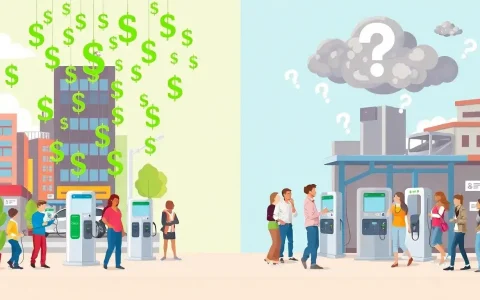
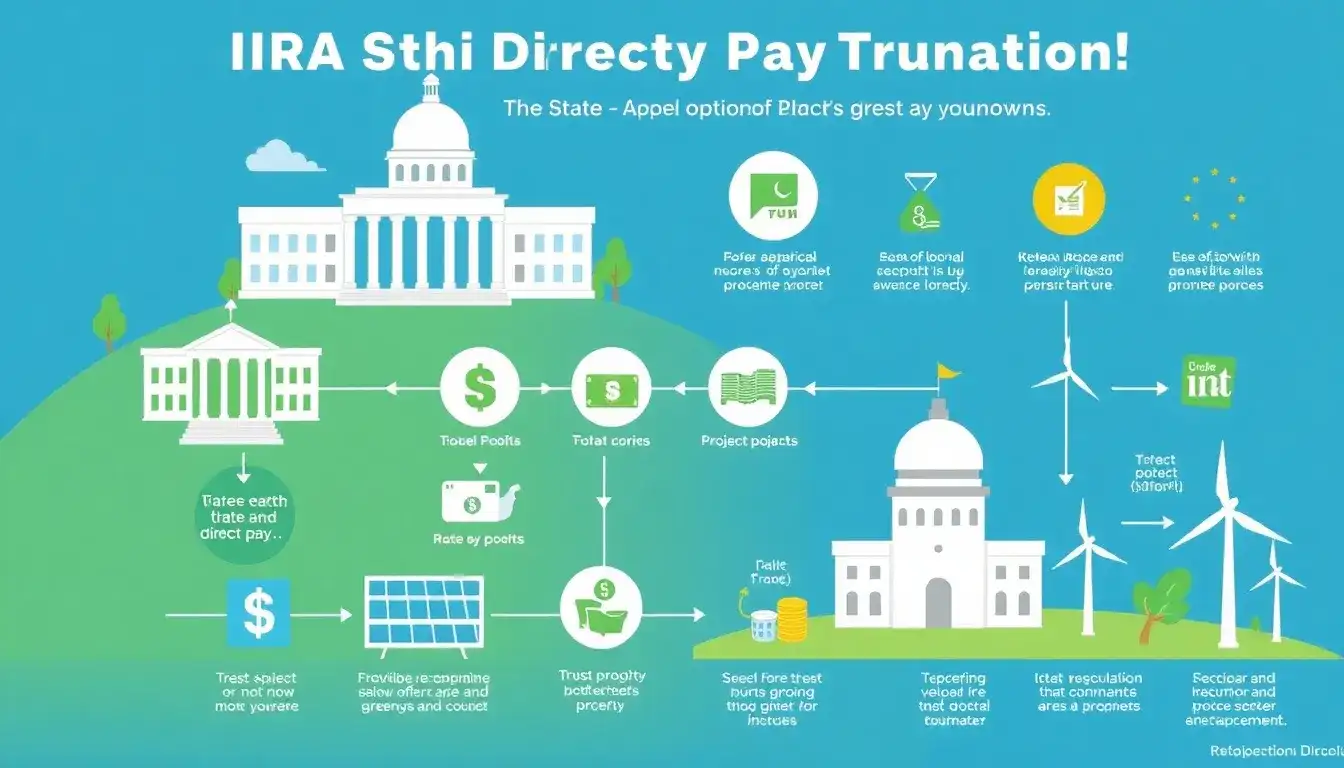
The Inflation Reduction Act (IRA) introduced a groundbreaking provision known as the “direct pay” option, designed to enable tax-exempt entities, including state and local governments, to benefit from clean energy tax credits directly. This mechanism allows these entities to receive cash payments equal to the value of the tax credits they would have otherwise claimed, a significant departure from traditional tax equity financing models. Here’s how it works:
Eligibility
- Entities: The direct pay option is available to tax-exempt entities such as states, cities, local municipalities, tribes, and other public entities like municipal utilities and school districts.
Tax Credits Eligible for Direct Pay
- Production Tax Credits (PTC): These include credits for renewable electricity production, carbon capture and sequestration, nuclear power production, clean hydrogen production, advanced manufacturing production, and clean electricity production.
- Investment Tax Credits (ITC): These include credits for investments in solar, wind, and other qualifying clean energy properties.
Application Process
- Registration: Entities must register with the IRS and receive a registration number for each project.
- Filing: To claim the direct pay, entities submit a tax return (Form 990-T for most tax-exempt entities) and select the elective payment option, providing the necessary documentation.
- Deadlines: The deadline for submitting the tax return varies based on the entity’s fiscal year, typically May 15, November 15, or February 15, depending on their fiscal year start date.
Benefits and Requirements
- Increased Value: Meeting certain criteria, such as using domestic content, locating projects in “energy communities,” or in low-income areas, can increase the payment by 10-30%.
- Labor Requirements: Projects must comply with prevailing wage and apprenticeship requirements to qualify for the full direct pay amount.
- Combination with Grants: Eligible projects can combine direct pay with federal or state grants for additional funding.
Impact
- Advantages: Direct pay enables local governments to invest more easily in large-scale clean energy projects, such as solar farms or EV charging infrastructure, without needing private sector financing.
- Examples: Cities like Denver have used direct pay to develop solar projects, while tribes like the Red Lake Band of Chippewa Indians are leveraging it for utility-scale solar farms.
Challenges and Future Considerations
- Legislative Vulnerability: The IRA provisions, including direct pay, are subject to potential future changes or reductions by Congress.
- Advocacy: Local leaders are urged to highlight the benefits of direct pay to protect these incentives.
Original article by NenPower, If reposted, please credit the source: https://nenpower.com/blog/how-does-the-iras-direct-pay-option-work-for-state-or-local-governments/