

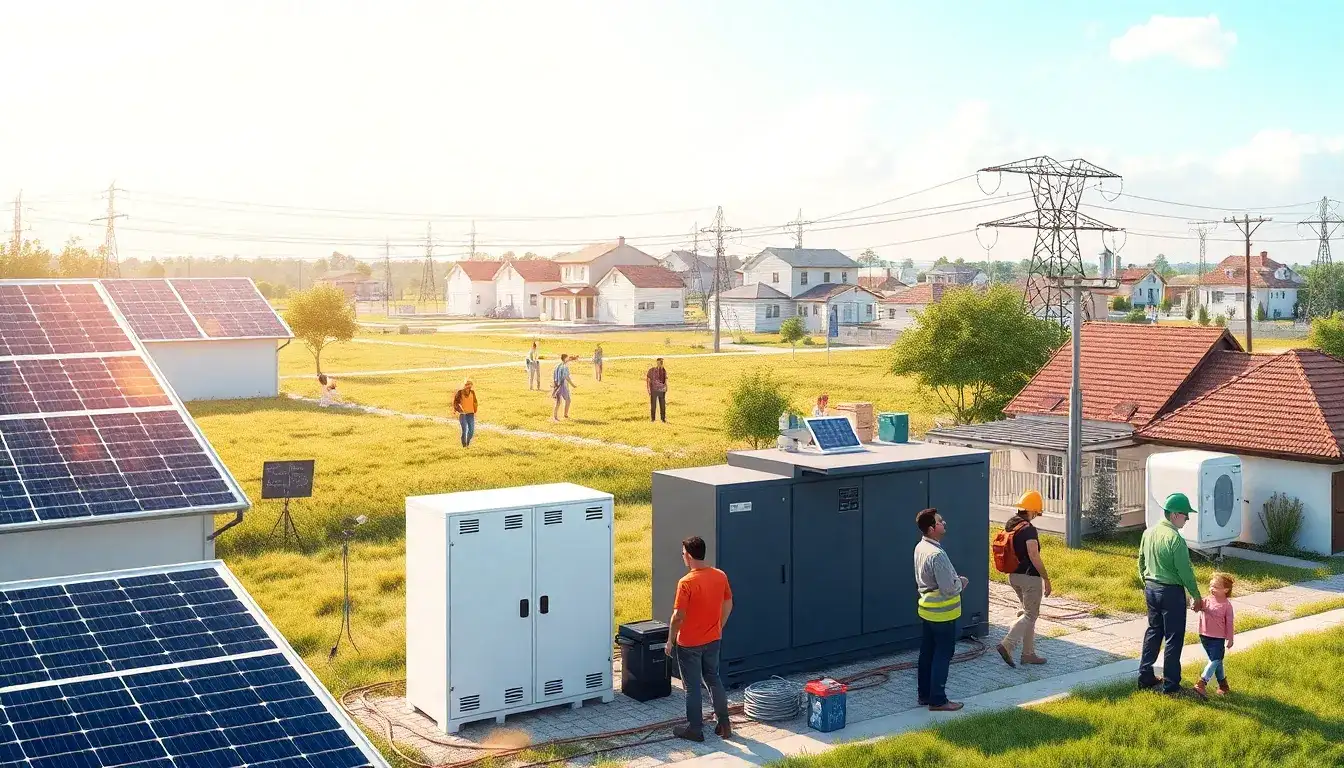
The integration of solar arrays with battery backup systems significantly enhances disaster preparedness by providing a reliable, resilient, and sustainable source of off-grid power during emergencies when traditional electrical grids often fail.
Key Benefits of Solar Arrays with Battery Backup in Disaster Preparedness
-
Reliable Backup Power During Outages
Solar panels generate electricity independently from the grid, and when paired with battery storage, they can store excess energy for use during power outages, ensuring continuous electricity supply. This is crucial for keeping essential emergency services, shelters, communication networks, and medical devices operational during disasters. -
Rapid Automatic Response and Smart Management
Modern solar-battery systems can detect grid failures instantly and switch to battery power within seconds. They include smart power management that prioritizes critical loads and adjusts energy consumption based on weather forecasts and usage patterns, thereby extending battery life and maximizing reliability. -
Off-Grid Resilience and Sustainability
These systems provide off-grid power solutions that are not dependent on fuel deliveries or repair of damaged infrastructure. Solar energy is renewable and clean, which also reduces environmental impact during disaster relief and recovery efforts. -
Remote Monitoring and Control
Advanced solar-plus-storage setups include remote monitoring capabilities, allowing emergency managers to track system status, battery levels, and adjust power distribution remotely. This facilitates efficient, real-time management of power resources during crises. -
Enhanced Community Resilience
Solar arrays with battery backups can be integrated into community disaster preparedness plans, enabling emergency shelters and first responders to maintain power for extended periods—such as the example of Sterling, Massachusetts, where a system can provide 12 days of power to first responders during outages. -
Adaptation to Weather and Extreme Conditions
Some systems have weather-responsive features that can adjust solar panel angles to reduce wind damage and use self-diagnostic tools to maintain optimal performance during storms or extreme weather events, further ensuring system durability in disasters.
In summary, the integration of solar arrays with battery backup systems improves disaster preparedness by providing a reliable, clean, and autonomous power supply that enhances emergency response capabilities, supports critical infrastructure during outages, and helps communities recover more quickly and sustainably from natural disasters.
Original article by NenPower, If reposted, please credit the source: https://nenpower.com/blog/how-does-the-integration-of-solar-arrays-with-battery-backup-systems-improve-disaster-preparedness/

