Effects on Photosynthesis and Aquatic Plants
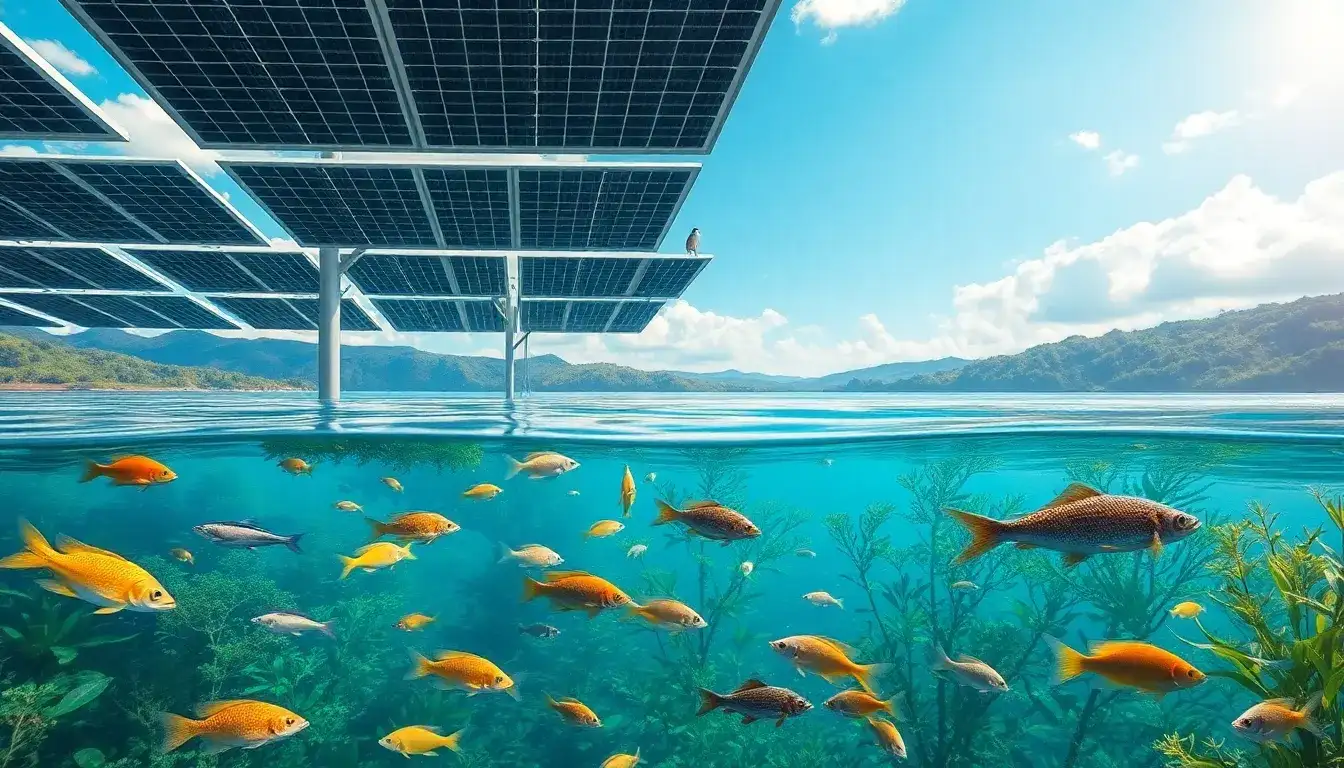
Floating solar panels cover the surface of water bodies, reducing sunlight penetration into the water. This reduction limits photosynthesis in aquatic plants and algae. Since aquatic plants normally compete with phytoplankton and cyanobacteria for sunlight and nutrients, their shading by solar panels can upset this balance. Specifically, if aquatic plants are more heavily impacted than phytoplankton and cyanobacteria, it can lead to increased algal blooms, which may harm aquatic ecosystems. However, in some cases, floating solar has been shown to reduce excess algae growth, thereby improving water quality and benefiting aquatic organisms by decreasing the need for chemical treatments.
Changes in Water Quality and Oxygen Levels
Research indicates floating solar installations can lower chemical and biological oxygen demand in the water, leading to healthier aquatic ecosystems. Yet, concerns exist about whether covering water surfaces with solar panels could restrict oxygen exchange and negatively affect organisms relying on oxygenated water. Ongoing studies, such as those at Cornell University monitoring ponds with floating solar arrays, aim to clarify these dynamics and identify any negative consequences on oxygen availability.
Habitat Alteration and Ecosystem Dynamics
By shading the water surface, floating solar panels can also alter wind-driven mixing of the water column, which affects temperature distribution and nutrient cycling in aquatic environments. These changes potentially disrupt habitats for fish and other aquatic organisms. While most floating solar projects have been deployed on man-made reservoirs where ecological disruptions might be more manageable, careful planning and ecological assessments are essential to mitigate adverse effects.
Summary of Impacts
| Impact Aspect | Effect on Aquatic Biodiversity |
|---|---|
| Reduced sunlight | Limits photosynthesis, may increase or reduce algal blooms |
| Algal bloom control | Can reduce excessive algae, improving water quality |
| Oxygen availability | Potential risk of reduced oxygen, still under study |
| Water temperature & mixing | Alters mixing, affecting nutrient and habitat conditions |
| Habitat disruption | Possible disruption for fish and aquatic organisms |
In conclusion, floating solar panels influence aquatic biodiversity chiefly by altering light availability and water conditions, which can both positively and negatively affect aquatic plants, algae, and overall ecosystem health. The net effect depends on specific environmental contexts and the scale of installation, underscoring the need for thorough ecological assessment and monitoring to maximize benefits while minimizing harm.
Original article by NenPower, If reposted, please credit the source: https://nenpower.com/blog/how-does-the-installation-of-floating-solar-panels-affect-aquatic-biodiversity/