

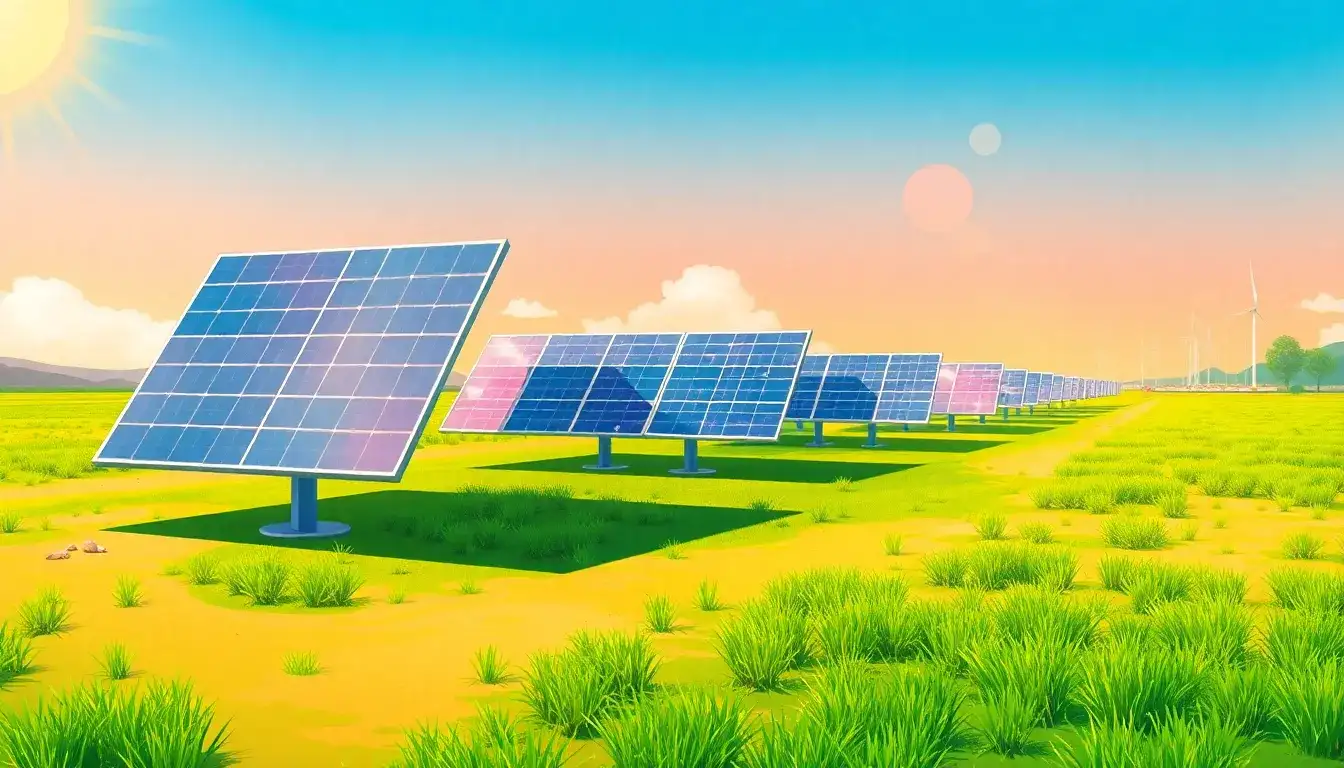
Panel Elevation and Mounting Systems
Bifacial panels need to be elevated above the ground or roof surface using specialized mounting systems. This height allows sunlight to reflect from the surface beneath the panels onto their rear side, enhancing overall energy capture. Elevated racking systems, often at least 1 meter above ground or 10-15 cm above a roof, reduce shading risks from the bottom edge and increase reflected light exposure.
Tilt Angle and Orientation
The optimal tilt angle, typically between 20 to 30 degrees but variable by location, maximizes direct sunlight exposure and reflected light on the panel’s rear side. Correct orientation aligned with the sun’s path ensures both sides receive the highest possible irradiance throughout the day.
Row Spacing and Layout
Adequate spacing between panel rows (starting from about 2.5 meters or set for a ground coverage ratio of 0.3 to 0.5) is essential to allow sunlight to reach the ground and reflect back to the panels’ rear surfaces. Too tight spacing reduces reflected light availability and thus lowers yield.
Ground Surface Reflectivity (Albedo)
The surface below the bifacial panels greatly affects the amount of reflected light they receive. Light-colored, reflective materials such as white gravel, concrete, or even water (floating installations) increase albedo and thus the energy yield from the panels’ rear side. Dark or shaded surfaces reduce reflected irradiance and diminish the panels’ advantage.
Shading Avoidance
Shading on either side of bifacial panels reduces their effective area for light capture. Installation sites and methods must minimize shading from trees, buildings, or other panels to preserve bifacial performance benefits.
Additional Installation Considerations
- Using power optimizers can help manage uneven sunlight exposure and improve output.
- Regular cleaning of both panel sides is necessary to maintain performance since dirt accumulation can reduce light capture on either face.
- Proper and robust mechanical fastening (bolting or clamping) ensures panels remain securely mounted for long-term performance, affecting reliability but indirectly impacting consistent energy yield.
In summary, bifacial panel energy yield depends strongly on installation choices that maximize light reflection onto the rear side, minimize shading, and optimize panel height, tilt, and spacing. Ground reflectivity and mounting system design are crucial in harnessing the bifacial advantage, making installation more complex but also offering higher energy generation potential compared to traditional monofacial panels.
Original article by NenPower, If reposted, please credit the source: https://nenpower.com/blog/how-does-the-installation-method-of-bifacial-panels-influence-their-energy-yield/

