

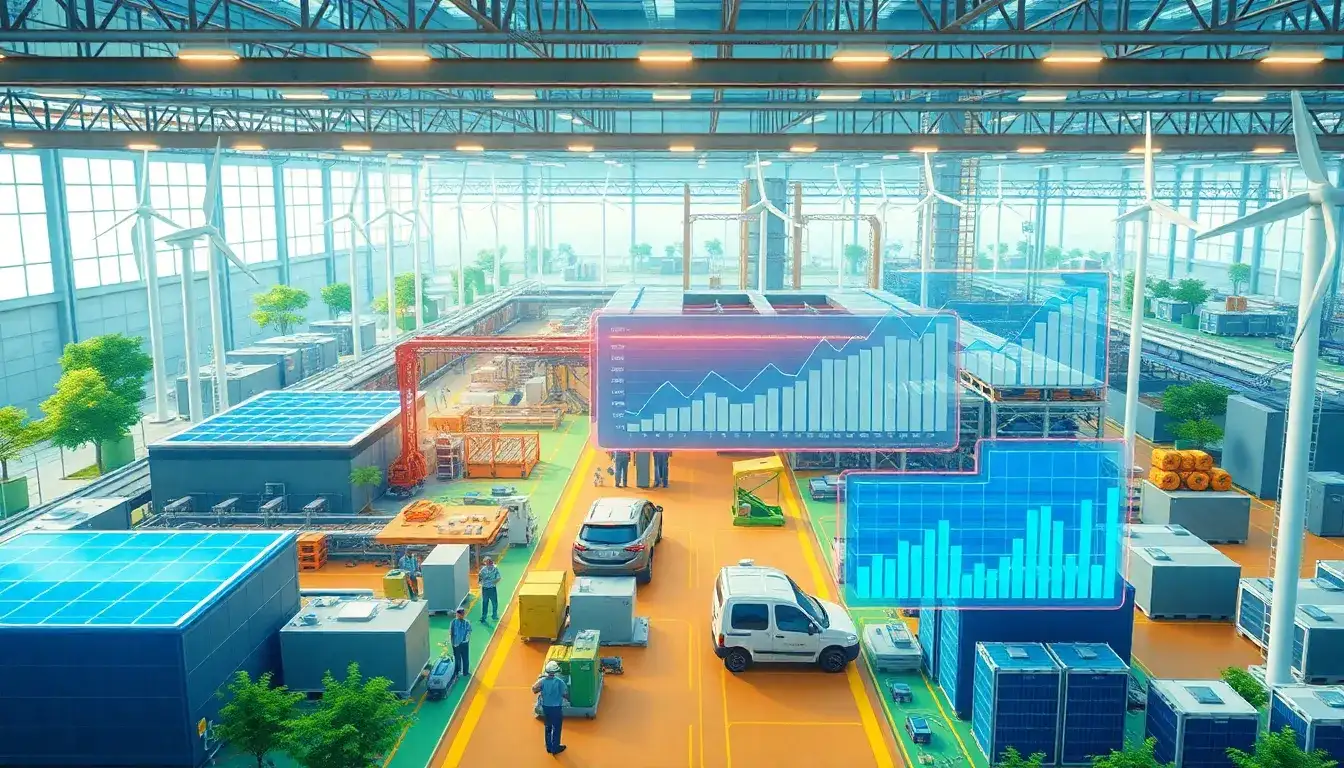
The Inflation Reduction Act (IRA) significantly influences the domestic manufacturing of energy storage systems through several key provisions:
Investment Tax Credits (ITC) and Domestic Manufacturing Incentives
- Increased ITC Rates: The IRA increased the ITC rate to 30% for both standalone energy storage and solar-plus-storage facilities. This tax incentive is critical for encouraging investment in domestic manufacturing by reducing the upfront cost of energy storage systems.
- Bonus Credits: Developers can earn additional 10% bonuses for using equipment manufactured in the U.S., which further incentivizes domestic production.
Advanced Manufacturing Tax Credits (Section 45X)
- The IRA introduced a new production tax credit under Section 45X for the domestic manufacturing of clean energy technologies, including energy storage equipment like battery cells and modules. This provision encourages the setup of new manufacturing facilities within the U.S.
- Industry Impact: Since the IRA’s passage, numerous announcements have been made regarding new battery manufacturing facilities, aligning with the goal of enhancing domestic supply and reducing reliance on foreign imports.
Domestic Content Requirements
- The IRA includes domestic content requirements to qualify for additional tax credits. Projects must use a significant portion of domestically produced materials to be eligible for these bonuses, which encourages the use of U.S.-manufactured components.
- However, the latest guidance on domestic content has introduced stringent rules, potentially limiting the ability of energy storage projects using foreign-made battery cells to qualify for these adders.
Impact on Supply Chain and Manufacturing
- Reducing Trade Risks: By boosting domestic manufacturing, the IRA helps mitigate risks associated with supply chain disruptions, such as shipping delays and trade tensions.
- Cost and Competition: The growth in domestic manufacturing could lead to a reduction in the cost premium associated with using domestic supplies, although this remains a point of discussion among industry stakeholders.
Overall, the IRA’s provisions are designed to enhance the competitiveness of domestic energy storage manufacturing, promote self-sufficiency in critical technologies, and support the transition to a cleaner energy economy in the U.S.
Original article by NenPower, If reposted, please credit the source: https://nenpower.com/blog/how-does-the-inflation-reduction-act-influence-the-domestic-manufacturing-of-energy-storage-systems/

